

What does GSM mean when you shop for pants and hoodies online?
GSM stands for grams per square meter, and it is the most useful number on a product page if you want to know how a garment will actually feel. A higher GSM means a heavier, warmer, more structured piece. A lower GSM means something lighter that drapes closer to the body. Most shops never explain this, so buyers judge from photos and get surprised when the hoodie that looked chunky arrives thin. At BenClothing we cut every weight in our own workshop, so here is a plain guide to what the numbers mean and which one fits how you dress.
What the numbers actually tell you
One square meter of fabric, weighed in grams. That is all GSM is. For everyday shopping you only need four ranges. T-shirts run 150 to 230 GSM, and anything above 200 starts to feel substantial instead of flimsy. Sweatshirts and hoodies sit between 280 and 400 GSM, which is where warmth comes from. Woven pants and jackets often get listed in ounces instead, and 12 oz denim works out to roughly 400 GSM. Our 230g lyocell T-shirt and the 350g half-zip sweatshirt on the same site are about as far apart as two cotton tops can get, and the labels tell you that before you order.
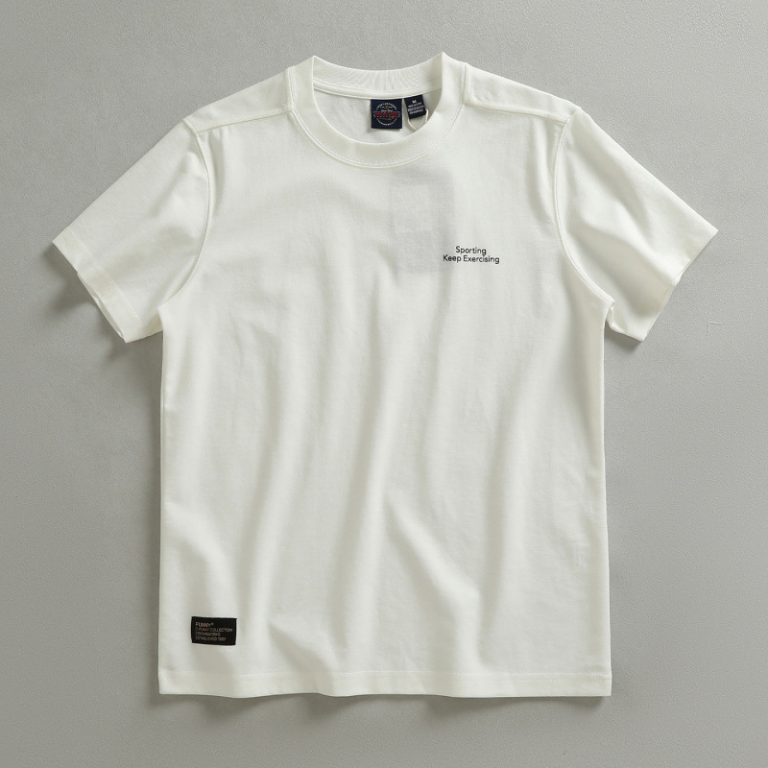
Why two 300g hoodies can feel completely different
Weight alone does not decide the feel. The same 320 GSM can be a tight, smooth jersey or a brushed, airy loop fleece, and they wear nothing alike. Yarn twist, knit structure, and whether the inside is brushed all matter as much as the scale reading. Air cotton, for example, traps more air per gram, so it feels warmer at the same weight. Our 350g air cotton half-zip sweatshirt reads the same on paper as a flat terry hoodie, yet it stands up on its own and holds warmth with less bulk. When a product page lists the fabric construction next to the GSM, that shop has nothing to hide.
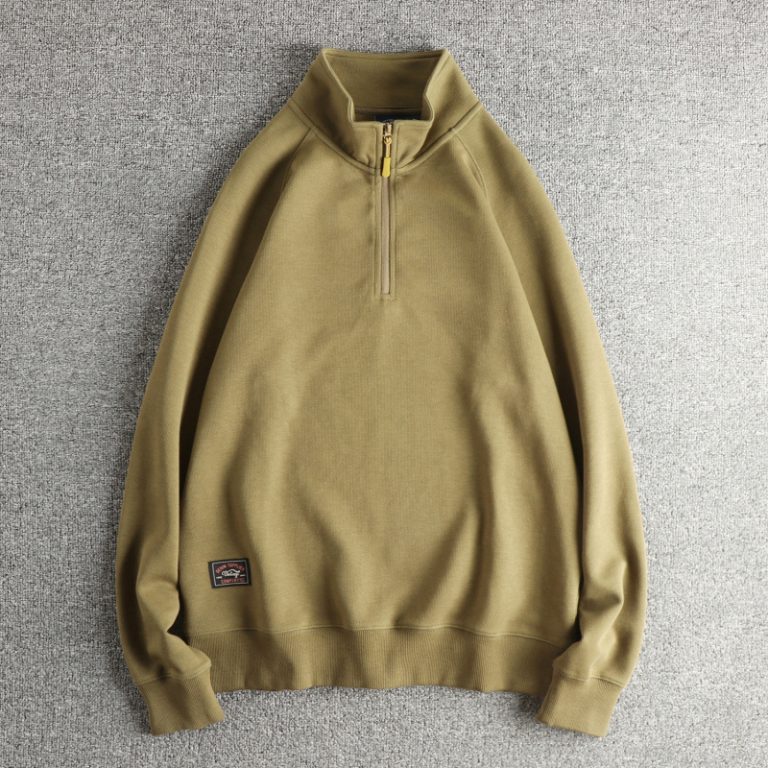
Match the weight to how you actually dress
A quick way to decide. If you layer, buy lighter: a 180 to 230 GSM tee under a shirt or jacket gives you options through the day. If you wear one warm thing and go, buy heavy: 350 GSM and up carries the whole outfit by itself. For pants, think about drape. Heavier woven fabric falls straight and keeps its shape, which is why our heavyweight washed denim shirt jacket holds a clean silhouette after a full day of wear, while a light summer weave moves with you and wrinkles into a softer look. Neither is wrong. They are just different jobs.
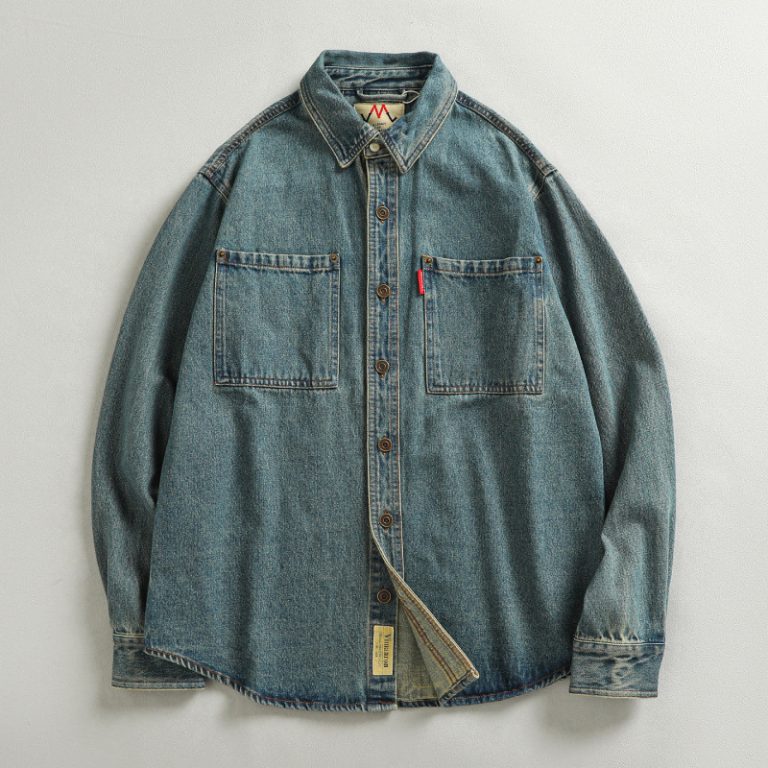
Does heavier always mean better?
No, and this is where a lot of money gets wasted. A 400 GSM hoodie made from short, loose yarn will pill and sag faster than a well-knit 300 GSM one. Weight is one fact, not a quality score. What you want is a weight that matches the job plus tight stitching, clean seams, and fabric that does not feel sandy after one wash. At BenClothing we list the GSM on every knit product page, run a final inspection on every batch before it ships, and hold the same standard for the pieces we sell you and the pieces we sell to retailers worldwide. Same goods, same lines, factory-direct price.
FAQ
Will a heavyweight hoodie shrink a lot in the wash?
Expect about 2 to 3 percent at most from our cotton knits, because the fabric is pre-shrunk before cutting. Wash cold and hang dry and it will barely move. Tumble drying on high is what eats a sleeve length, not the GSM.
Which weight works year-round if I only want to buy one?
A 280 to 320 GSM sweatshirt is the safest single pick. It is warm enough for most of autumn and spring, layers under a coat in winter, and works as a standalone piece on cool summer nights. Save the 400 GSM plus pieces for deep winter or cold offices.
Key takeaways
- GSM means grams per square meter: higher numbers mean heavier, warmer, more structured fabric.
- T-shirts run 150 to 230 GSM, sweatshirts 280 to 400 GSM, and 12 oz denim is roughly 400 GSM.
- Two hoodies at the same GSM can feel different because knit structure and brushing matter as much as weight.
- Light layers suit people who mix pieces; 350 GSM and up suits one-piece dressing.
- Heavier is not automatically better. Stitching, yarn quality, and a clean wash decide how a garment ages.
Summary
Check the GSM before the photos. It tells you more about fit, warmth, and drape than any model shot, and paired with the fabric construction it makes online sizing decisions simple.