Why Heavy Chino Came Back — and Why It Beats Lightweight Twill
Quick answer: Heavy chino came back because lightweight twill was never really solving a problem — it was solving a cost. A heavier cotton twill (roughly 320–400 gsm) holds a straight line instead of collapsing at the knee, resists creasing through a full day, and softens rather than wears out. If you want one pair that works in the office and on site, buy the heavier cloth and the higher rise. If you want a summer trouser you wear six weeks a year, the light one is fine.
What actually changed, and why it changed now
For about a decade the menswear default was the lightest chino a mill would make. The logic sounded reasonable: lighter cloth is cooler, it moves easier, and it does not feel stiff. What that logic quietly swapped out was structure. A 180–220 gsm twill has almost no body. Sit down in it and the fabric creases across the thigh. Stand up and the knee stays pointed. Wear it twenty times and the seat has polished shiny — not from dirt, but from fibre being pressed flat.
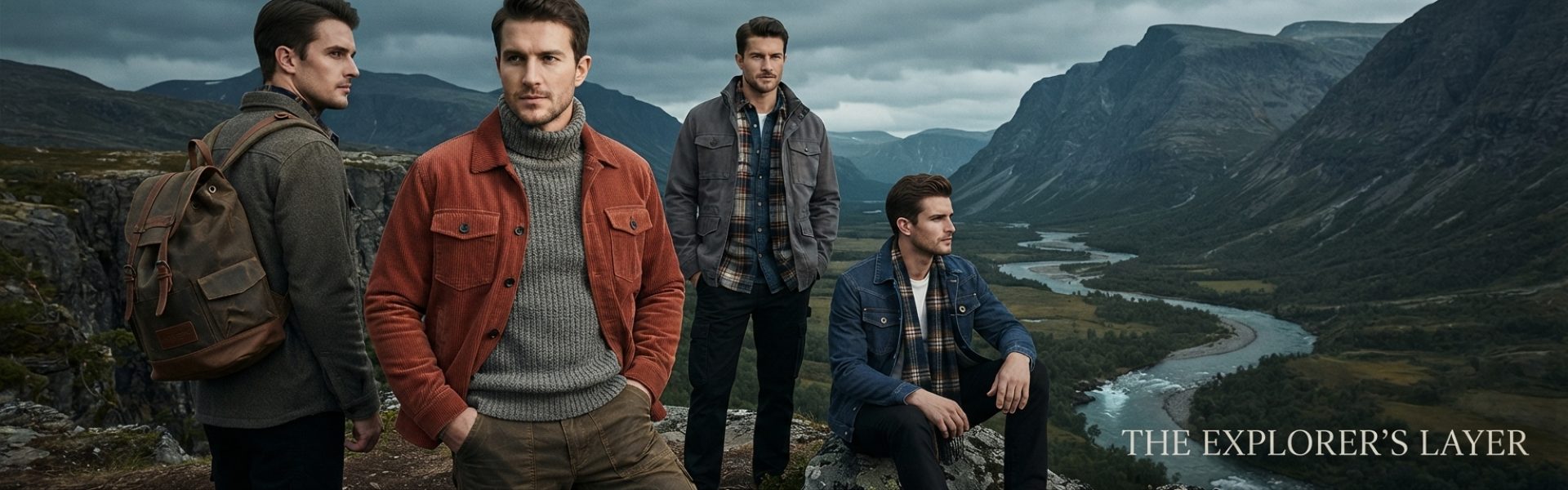
Buyers noticed before shoppers did. When heavyweight cotton started reappearing on the men’s show schedule two seasons running, the story was not nostalgia for its own sake. It was a correction to a decade of trousers that photograph well and feel flimsy by lunchtime. The garments coming back are not skinny. They are fuller through the leg, higher at the waist, and cut to be worn for years rather than a season — which is precisely what the cloth can support.
The other half of the story is the fabric itself going up a weight class. Mills that used to run a thin warp for volume are running heavier yarns and clearer twill lines, because the men buying these trousers are looking at the cloth, not the label. When the cloth is the product, the cloth has to be worth looking at.
Why weight beats a light hand: three things you can check for yourself
You do not need a lab to tell a heavy chino from a light one. Three checks take about a minute.
1. The drape test
Hold the trouser by the waistband and let one leg hang. A light twill flutters and twists. A heavy chino falls in a straight, slightly stiff column and stops moving almost immediately. That stiffness is the whole point: it is what keeps a crease from forming behind the knee at 4 p.m.
2. The crush test
Grab a fistful of the front thigh and squeeze for ten seconds, then let go. Light twill holds a dense network of small creases and looks like it needs an iron. Heavy chino recovers to maybe one soft line you can brush flat with your hand. This is the single most useful test in a shop, because it is exactly what happens when you sit down in a car.
3. The light test
Hold the fabric up to a window. If you can read the weave pattern clearly through it, the cloth is thin and the yarns are fine. If it blocks most of the light and you see only the diagonal twill ridges, there is real substance in it. Neither is automatically better — but you should know which one you are buying, because the price tags are often the same.
The trade-off is honest: heavier twill takes longer to break in. The first two or three wears feel more rigid than the light pair you already own. That is the cost of the drape. By wear ten the cloth has softened at the hips and knees and the creases have become character rather than damage.
How to pick your weight without overthinking it
There is no single correct number. There is a correct number for how you actually use the trouser.
- Warm-weather, indoor-heavy weeks (roughly 220–260 gsm): a lighter twill in a breathable finish. Good for a commute-and-desk routine in real heat. Accept that it will crease and that you will replace it sooner.
- Three-season daily wear (roughly 280–340 gsm): the honest middle. This is the pair that works in a meeting and then on a site visit without looking like two different outfits. Most people only need this one.
- Cold months, outdoor or site work (roughly 350–400 gsm): the heavyweight end. It blocks wind better, holds shape under a jacket, and the extra body reads as intentional rather than bulky when the leg is cut straight.
Two fit details matter as much as the weight, and heavy cloth makes both of them more visible. First, the rise. Higher-front trousers sit on the hip bone rather than below it, which stops the waistband from digging in when you squat — a light chino hides that badly, a heavy one hides it not at all. Second, the leg line. Heavy twill wants a straight or slightly wide leg; taper it hard and the extra body has nowhere to go, so it bunches at the calf. If you want a tapered trouser, stay at the middle weight.
Finally, check three construction details that decide how long a heavy chino keeps looking like a heavy chino: a bar tack at each pocket corner (the small dense stitch bar that stops the pocket mouth from tearing open), a cleanly finished inside waistband seam, and buttons or a hook that is actually sewn through the facing rather than tacked on top of it. None of these cost much to do properly. All of them are the first things skipped when a factory is racing a low-cost order.
Breaking in a heavy chino without wrecking it
Heavy cotton twill is a durable cloth and a forgiving one, but it is not indestructible, and most of the damage happens in the first month.
Wash cold — 30°C or below — and turn the trouser inside out. Hot water and a hot dryer are what shrink the length and fade the depth out of a dyed twill, and a heavyweight cloth takes longer to dry, so people reach for the dryer. Don’t. Hang them, ideally with a bit of weight at the hem, and they will dry straight with fewer creases than any machine cycle produces. Skip fabric softener entirely: it coats the cotton fibres, which is precisely what kills the crisp hand you paid the extra weight for. Iron on the inside, or steam from the outside, and never press a shine into the seat.
Do that and a heavy chino moves in one direction over its life: stiffer, softer, then just yours. That is the opposite curve to a fast-fashion trouser, which starts comfortable and ends shapeless. It is also the most practical version of buying less and wearing it longer — not a philosophy, just arithmetic on how many pairs you replace in five years.
Key takeaways
- Weight is structure. A 180–220 gsm twill has too little body to hold a line; roughly 280–340 gsm is the sweet spot for year-round wear, and 350–400 gsm is a genuine cold-weather trouser.
- Three checks in a shop: the drape test (does one leg fall straight or flutter?), the crush test (squeeze ten seconds — does it recover?), and the light test (can you read the weave through it?).
- Pair heavier cloth with a higher rise and a straighter leg. Tapering a heavyweight trouser makes the extra body bunch at the calf.
- Look for three construction details: bar tacks at every pocket corner, a clean inside waistband seam, and hardware sewn through the facing.
- Break it in cold: 30°C or below, inside out, hang to dry, no fabric softener — and never a hot dryer if you want the length you bought.
FAQ
Is heavy chino just a winter trouser?
No — a 280–340 gsm twill is comfortable in most of the year for anyone not sitting in direct summer heat all day. Above about 350 gsm you are buying a cold-weather trouser, and it will feel heavy in July. The mistake is buying one weight for every season rather than owning the one that matches your actual routine.
Will a heavier chino look too bulky?
Only if the leg is cut too narrow or the rise sits too low. Heavy twill needs room to hang, so a straight or slightly wide leg with a higher front is what keeps it looking deliberate. A heavyweight cloth on a tight, low-rise pattern reads as stiffness, not weight.
The short version
Lightweight twill was never a lie — it was a compromise that got sold as an upgrade. Heavy chino is the return of the thing the fabric was always good at: holding a shape, taking a beating, and looking better in year two than it did in week one. Pick the weight for your actual week, get the rise and the leg line right, and let the cloth do the rest.
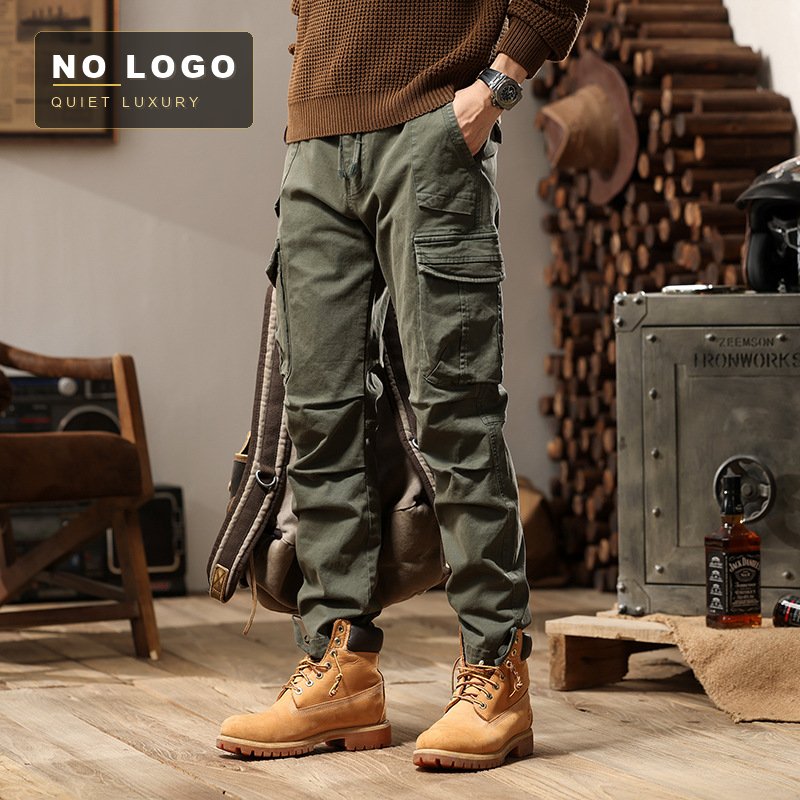
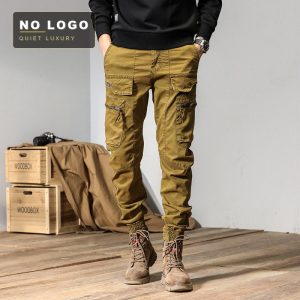
We build our trousers around the heavier end of that range, in plain colours, with the construction details above done properly and nothing printed on the outside. If you want to see what a heavier twill actually hangs like, take a look at our premium straight-leg utility trousers and the rest of the collection.