
The 10-Second Hand Test: How to Feel Fabric Quality Before You Buy Online
It is late, the tabs keep multiplying, and you are zooming into product photos, trying to guess whether the fabric is actually worth the price. Every online buyer knows this moment. Fashion coverage this season keeps pointing at texture: washed canvas, corduroy, heavyweight knits. Texture is exactly the thing a photo cannot carry, and it is also the thing your hands can verify in ten seconds once the parcel arrives. This article gives you three quick tests and one label habit, so the next order is judged by feel, not by hope.
You Cannot Feel Fabric Through a Photo. Your Hands Still Can.
Most buyers judge fabric by three shortcuts: the photo lighting, how the model fits it, and the price tag. All three can lie. Photos hide density, surface fuzz, and how a fabric falls under its own weight. What they cannot hide is what you feel when the garment is in your hands. The pinch, the rub, and the drape take seconds each, need no tools, and work on anything from a tee to a heavy hoodie.
The pinch: five seconds that expose thin fabric
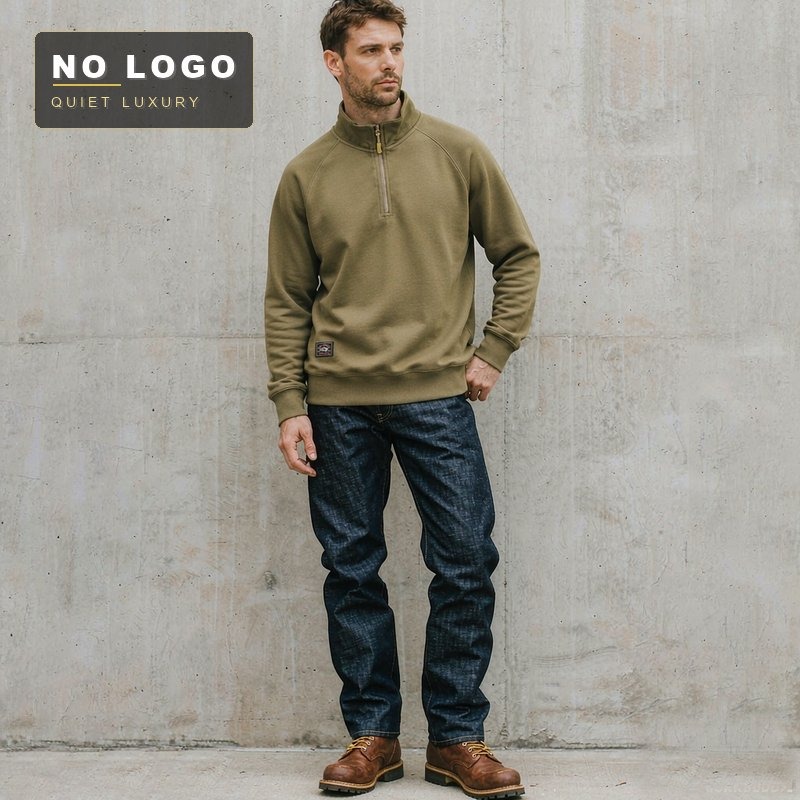
Squeeze a handful of fabric between your thumb and fingers, hold it for five seconds, then let go. Dense, well-made cotton pushes back slowly and feels like it has body under the surface. Thin or loosely knitted fabric collapses flat and stays flat. A mid-weight air-layer knit, like the one in our 350g half-zip hoodie, gives you that slow, springy recovery, and you can feel it through both layers at once.

Fuzz After Ten Seconds of Rubbing Is a Warning.
Rub the surface briskly with your palm for about ten seconds. A little warmth and a soft nap is normal, especially on brushed cotton. What you do not want is loose balls of fuzz forming, or a surface that turns shiny where you rubbed. Loose fuzz usually means short fibers or a loose knit, and it will pill in the wash. A tight loop surface behaves differently: the terry on our 400g heavyweight hoodie stays flat under the same rubbing, wash after wash.

The drape: real weight falls, it never flops
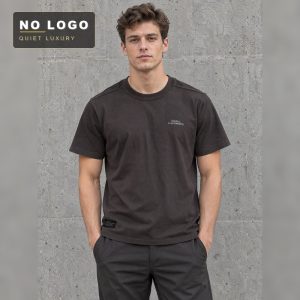
Hold the garment up by the shoulders and let it hang. Watch how it falls. A fabric with real density drops in long, clean lines and barely swings. A light fabric flops, folds over itself, and clings. Neither is wrong. A 230g summer tee is supposed to fall softly against the body, like our 230g lyocell double-face tee. But a jacket or a pair of pants that flops will never hold the shape the photo promised.
Then check the label: GSM numbers that back up your hand
GSM means grams per square meter, and it is the fastest way to put a number on what your hands just told you. As rough buying categories: tees sit around 180 to 260, mid-weight hoodies run 300 to 400, and heavy fleece-lined pieces start around 500. These are categories, not grades. A well-made 230g summer tee can be excellent, and a heavy fabric can still be badly knitted. Feel first, number second. At BenClothing, we put the weight in the product name on purpose, from the 550g fleece-lined patchwork hoodie down to the 230g tee, so you can match what your hands felt with a figure you can compare across shops.

FAQ
Does a higher GSM always mean better quality?
No. GSM measures density, not skill. Weave, yarn, and finishing decide how a fabric wears over the years, and a well-made 350g knit will outlast a badly made 500g one. Run the hand tests first, then read the number.
Can I practice these tests on clothes I already own?
Yes, and you should. Pinch, rub, and drape the garment that has worn best in your closet, and note how it feels. That becomes your personal baseline the next time you shop online.
Good fabric is not a mystery. It is density you can pinch, a surface you can rub, and a weight you can watch fall. Run the ten-second test on your next order, then check the GSM on the label. Your closet, and your budget, will notice the difference.
Shop our collection and pick by weight, not by word of mouth.