
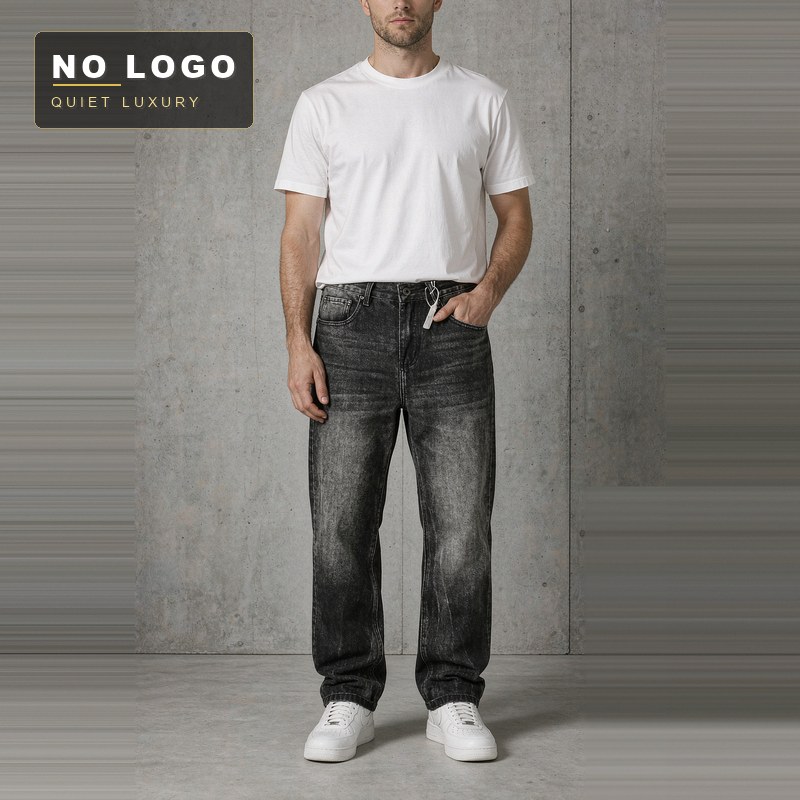
Twill vs Canvas vs Oxford: The Weave That Decides How Pants Wrinkle
Pants do not wrinkle because the fabric is thin. They wrinkle because of the way the threads cross. Twill, the diagonal weave behind denim, chinos and most work pants, creases in soft rounded folds and mostly hangs them out again. Canvas and duck, both flat plain weaves, hold a hard crease line and stay boardy until they break in. Oxford and basket weaves trade structure for air: they breathe better and crease faster than either. If you have ever bought two pairs at the same weight and only one looked rumpled by lunchtime, the weight was never the story. The weave was.
A weave is a recipe, not a label.
Every woven fabric is two sets of yarns crossing at right angles. The lengthwise yarns are the warp, the crosswise yarns are the weft, and the order in which they pass over and under each other is the weave. Three families cover almost everything in a workwear wardrobe: twill, plain weave (canvas, duck, poplin) and basket-style weaves (oxford, oxford-adjacent shirtings). The weave sets how a fabric folds, how it recovers, how much air moves through it and how it sounds when you move.
Twill: soft folds and a fast recovery
Twill steps the weft one yarn forward on every pass, which is what creates the diagonal line you can see when you hold denim at an angle. Because the yarns lock tightly, twill packs more yarn into the same square of cloth than a plain weave at the same yarn size, so it takes weight and abrasion well without turning stiff. The trade-off is the crease: twill breaks a fold into a soft curve rather than a sharp line, so a pair that sat in a bag for a day still looks presentable after a shake.
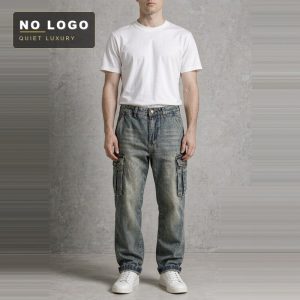
A good example is this washed cotton twill workwear jean in a loose tapered cut: the diagonal is visible in the cloth, but the fold lines stay soft.
Canvas and duck: the flat grid that holds a crease
Canvas and duck are plain weaves, meaning the weft goes over one warp yarn, under the next, over one, under the next, across the whole width. The grid is flat and firm. Use heavy yarns in a flat grid and you get cloth that resists tearing, takes abrasion and holds the crease you pressed into it, which is why these fabrics ended up on chore coats, field jackets and bags long before they showed up on pants. Fresh, a dense plain weave feels almost papery. It softens over weeks of wear into something that moulds to you.
A heavyweight washed multi-pocket work jacket is the clearest way to feel the difference: tightly set, slightly crisp, and slow to drape at first.
Oxford and basket weaves: air instead of structure
Basket weaves pass the yarns in pairs instead of one at a time, which opens the cloth up. Oxford cloth is the best known of them, and it is almost always a shirting weave, because the open structure moves air and dries fast. In pants the same idea appears as loose summer weaves and puckered cloth, comfortable in heat and creased the moment you sit down. If you want a crease that survives a commute, this is the wrong family. If you want to stay cool in August, it is the right one.
This relaxed-fit open-weave shirt shows what that structure does on the body: it lifts off the skin instead of lying flat against it.
Finish changes the rules more than the weave name does.
Two twills can behave very differently depending on what happened after weaving. A garment wash takes most of the shrinkage out before the pants reach you and softens the hand, so the first wear already feels broken in. A heavy wash relaxes the yarns further and dulls the surface. This is also where the season’s sourcing talk has moved: the questions coming from buyers now are about yarn count, weight and hand feel rather than print and decoration. At BenClothing we put the wash in the product name when a pair has been through it, so you can tell from the listing which version you are buying.

Utility pieces such as these relaxed-fit cotton work shorts sit in the middle: firm enough to keep a line, washed enough to sit down in.
You can check the weave in ten seconds.
On a product photo, look at the cloth at an angle. A diagonal grain is twill. A flat checkerboard or plain grid is canvas or duck. A raised, open texture is a basket weave. In your hand, pinch the fabric and let go: twill relaxes quickly, plain weave keeps a faint memory of the pinch, open weaves look crumpled within seconds. Then compare two pairs in the same category on our work pants and trousers range and read the fabric line, not the marketing line.
FAQ
Do twill pants wrinkle less than canvas?
They crease differently rather than less. Twill folds into soft curves that mostly fall out on their own, so it reads as tidy. Canvas holds a sharper crease line, which looks deliberate when pressed and messy when it happens by accident in a car seat.
Is oxford cloth used for pants?
Rarely. Oxford is light and open, so on a leg it offers little resistance to wind or abrasion. The same open structure shows up in summer pants as loose basket weaves and puckered cloth, and there the point is airflow, not durability.
The short version
Same weight, different weave, different day. Twill for soft recovery, canvas for a crease that stays where you put it, open weaves for heat. Buy the structure that suits the week you actually have, and the pants will look after themselves. Shop our collection.