
How Many Sample Rounds Before Bulk? An Honest Timeline
Quick answer: most apparel programmes need two to three sample rounds. One to prove the pattern can be sewn, one to lock fit, fabric and finish, and one sealed round that becomes the physical standard every bulk carton is checked against. Dropping the sealed round is the most common reason bulk arrives looking nothing like the sample you approved.
What a sample round is actually for
A sample round is not a formality to sign off. It is a decision point with calendar time attached, and each round should answer one named question. If you cannot say which question a round is answering, you are buying photographs, not samples.
That test sorts a programme faster than any checklist: name the question first, then decide whether the round is worth waiting for.
Round one: can it be built?
The first pattern sample answers a construction question, nothing more. Can the panels be cut and joined at this scale? Do the pockets land where the drawing says? Does the collar stand, or collapse? Expect it to be rough, and expect fit to be off by centimetres rather than millimetres.
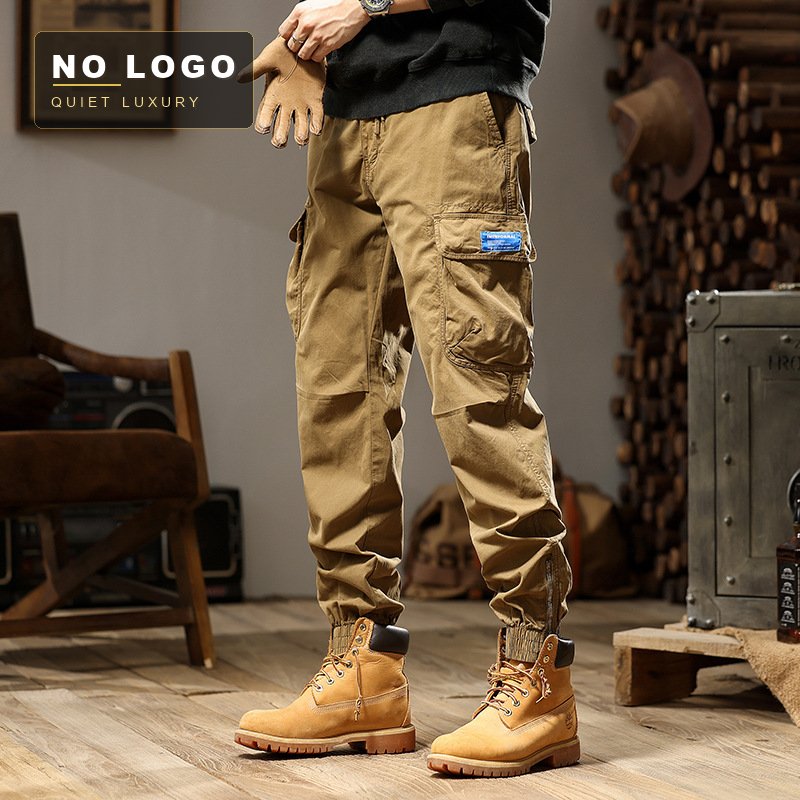
Do not approve fit at this stage. The first sample exists so you can find the awkward seams while they are still cheap to move. Whether the style is a heavy techwear cargo trouser or a plain overshirt, the first round is about buildability.
Round two: fit, fabric and finish
The second round is where the garment becomes wearable. Measurements are corrected against a written sheet, fabric is confirmed by weight and hand, colour is approved against a physical standard rather than a screen, and stitch density and topstitch width are locked.
A quick-dry outdoor trouser and a brushed overshirt will not behave the same way under the same corrections. This is the round buyers are most tempted to compress, and it is the one that hardens small decisions into permanent ones: a topstitch moved by two millimetres here will be on every unit later.
Round three: the sealed sample
Once the second round is approved, one sample is built in final fabric with final trims, measured, photographed and sealed. This is not a marketing sample. It is the arbitration document.
When a bulk carton is disputed, you open the sealed sample and compare. Without it, the phrase bulk does not match the sample is an argument with no referee, and the referee you did not appoint is whatever the factory happens to remember.
Two rounds, or three?
Two rounds can be enough when the style repeats a pattern already in production, the fabric is unchanged and only the colour moves. Three rounds is the floor when the pattern is new, the fabric is new, the factory is new, or the silhouette is fit-critical.
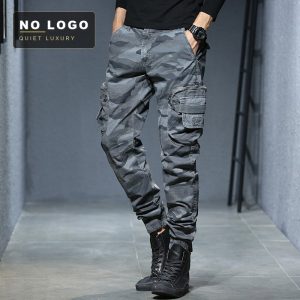
Add a round whenever the first sample needed more than a handful of corrections. A pile of corrections is a sign the pattern was never settled, and settling it during bulk — whether on tapered camo joggers or loose street trousers — is the expensive version of the same conversation.
The timeline, honestly
Each round consumes three blocks of time: production, transport, and your own review. The first two are visible on any schedule. The third is the one that quietly blows up calendars. A sample sitting on a desk for a week costs more season than a factory losing two days.
Treat your own approval speed as part of the lead time. A programme that plans for slow approvals still ships. A programme that assumes instant ones does not.
What sample matches bulk actually requires
- A sealed physical sample, not a folder of photographs
- A written measurement sheet with stated tolerances
- Approved fabric and trim standards held by both sides
- One named person on each side who signs the approval
- A stated rule for what happens when a measurement falls outside tolerance
Key takeaways
- Two to three rounds is normal. The sealed round is not optional.
- Each round should answer one named question, not several vague ones.
- Round two is where small decisions become permanent.
- Your own review time is part of the lead time.
- No sealed sample means no referee when bulk quality is disputed.
Frequent questions
Can we skip the sealed sample if we are repeating a style?
If the pattern, fabric and finish are identical to a previous run, you can reseal that run’s approved sample instead of building a new one. What you cannot do is rely on memory or on the last shipment, because the last shipment is the thing you are trying to measure against.
Who pays for extra rounds?
That is a commercial question to settle before round one, not after round four. Whoever owns the change usually owns the cost: buyer-driven changes are buyer rounds, factory errors are factory rounds. Write it down, because we assumed is how a good programme turns into a stack of invoices. If you want to fix that language early, tell us your style and target window and we will map the rounds before anything is cut.
Summary
Plan two rounds, budget for three, and seal the last one. The sealed sample is the cheapest insurance in the whole programme, and the only object that ends an argument about bulk quality before it starts.