No logos. No markup.  ·  Free worldwide shipping on Pants, Jackets & Hoodies · free shipping over $149  ·  code WELCOME10
RetailWholesale (login)
BenClothing

Loading

BenClothing
17 September
Why premium wash is not cheap: where the money actually goesSeptember 17th, 2026

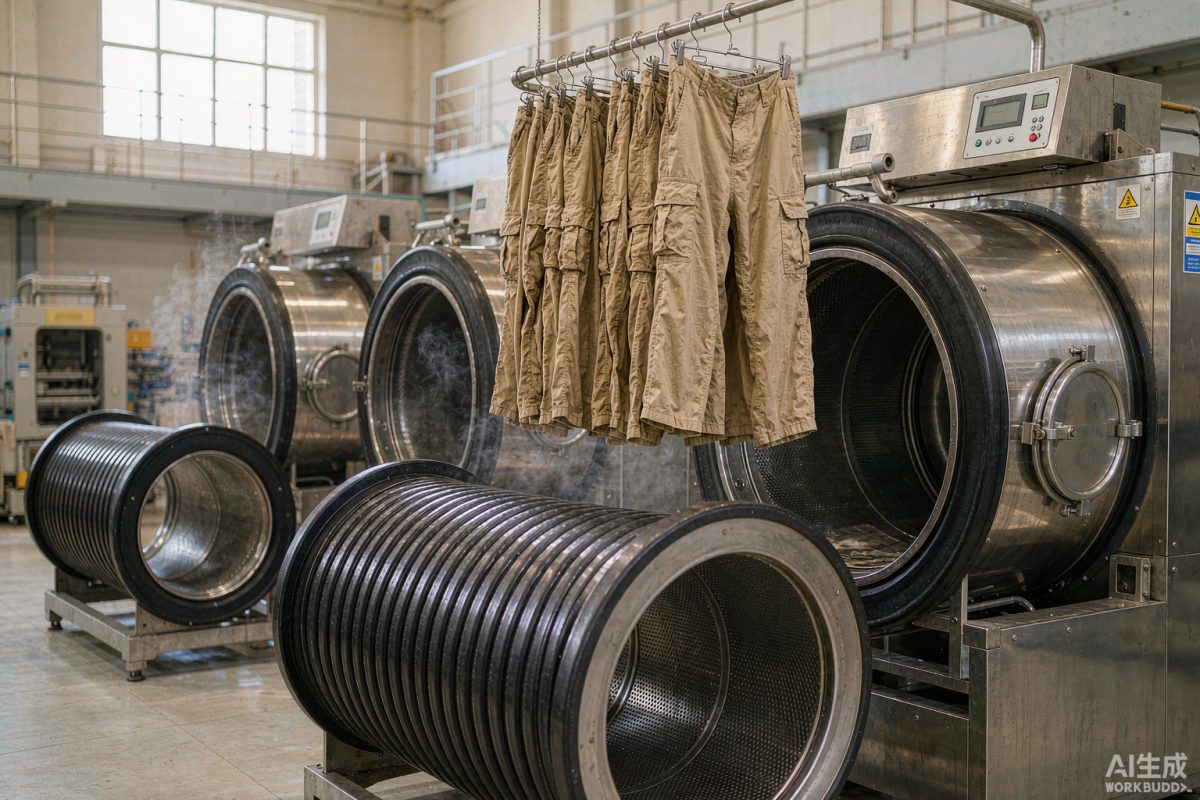
Premium wash is not cheap because it is a separate production stage with its own chemicals, water, labor, and reject rate, not a quick rinse after sewing. A rinse wash is a few steps. An enzyme wash, stone wash, or garment dye adds machines, timed batches, hand work, and inspections, and every one of those costs money. If a quote includes wash for almost nothing, the wash is the first place the supplier is cutting. This article breaks down what you are actually paying for, so you can judge a wash quote before you wire the deposit. A garment wash is a production step, not a rinse A real wash runs in batches of 50 to 100 pieces inside industrial drums, with a written recipe for each style: chemical type, water temperature, load size, and run time. Enzyme wash needs biological enzymes that eat the surface fibers. Stone wash needs pumice, and the stones wear out and get replaced. Garment dye runs even longer. After the drum, pieces go through softening, hydro extraction, and tumble drying, and the factory tests shrinkage on the first batch before cutting bulk. None of this happens in…

Read more

15 September
Repeat orders and small batches: how fast can your restock actually ship?September 15th, 2026

Repeat orders are the fastest and most efficient way to buy from us. Because your size set, pattern, and fabric supplier are already on file at our Shishi workshop, a restock batch of 100 to 300 pieces usually moves from deposit to shipment in 15 to 25 days, while a first production run needs 30 to 45 days. If a selling style has ever gone out of stock on you mid-season, the reorder process below is how you avoid that next time. \n\n A reorder skips most of the setup work \n Your first order pays for most of the invisible work: pattern making, size grading, sampling, fabric sourcing, and wash testing. On a reorder, all of that already exists. We pull your file, the approved counter sample, and the fabric reference from the last batch, so the workshop starts at the cutting table instead of the drawing board. That is also why the second batch is usually better value per piece than the first one, even at the same quantity. \n \n\n What MOQ looks like on a repeat order \n On a style that has already run once, the minimum order…

Read more
13 September
SBS zippers, snaps, and rivets: how we choose hardware for workwear that survives real wearSeptember 13th, 2026

A zipper is usually the first part of a pair of workwear pants or a jacket to fail, and it fails long before the fabric does. At our workshop in Shishi, we put SBS brand zippers on every garment with a center-front zip, because a slider that costs a few cents more can add months of daily use. This article explains where we refuse to cut hardware costs, where a cheaper part is genuinely fine, and what to ask any supplier before you confirm a wholesale order. \n\n What SBS means, and why the brand on the slider matters \n SBS is a zipper manufacturer based in Fujian, in the same province as our factory. We use it as the default because the tape, teeth, and slider arrive as one matched system, and the sizing stays the same from one production batch to the next. No-name zippers are the opposite: a supplier may switch zipper vendors halfway through a 2,000-piece run to save money, and the buyer never finds out until sliders start popping off in month three. \n That consistency is the real product. When you reorder six months later, the zipper…

Read more
11 September
From cutting table to carton: a walk through our Shishi workshop before your order shipsSeptember 11th, 2026

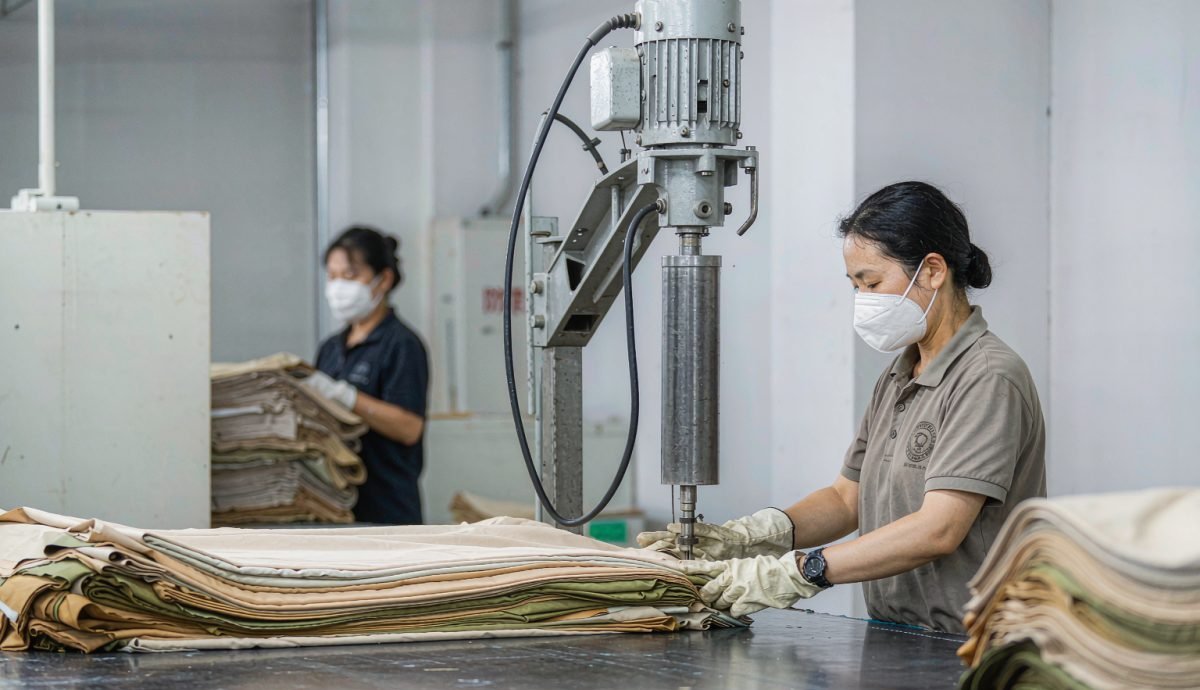
Every wholesale order we ship goes through six fixed stages at our workshop in Shishi: fabric inspection, cutting, sewing, washing, AQL 2.5 final inspection, and packing. If you buy garments from factories, knowing what happens at each stage tells you why two quotes with the same fabric can still differ by 30% in price and in how the batch holds up after three washes. We have run this same line for more than 20 years, supplying menswear to buyers in Europe, North America, and South Africa. Here is what your order actually goes through. It starts with the fabric, not the sewing machine Before a single panel is cut, the fabric roll goes through inspection. We check GSM against the buyer’s spec, look for weaving defects, and test how the cloth reacts to a wash sample. A 350g fleece and a 350g “sort of” fleece are not the same thing, and the difference shows up before sewing, not after. If a buyer wants garment dye or a heavy wash, we test on the actual roll they will get, because dye lots vary. This is the step most low quotes skip. Cutting: one marker,…

Read more
9 September
Cargo pocket engineering: the details that decide whether your wholesale batch survives the first washSeptember 9th, 2026

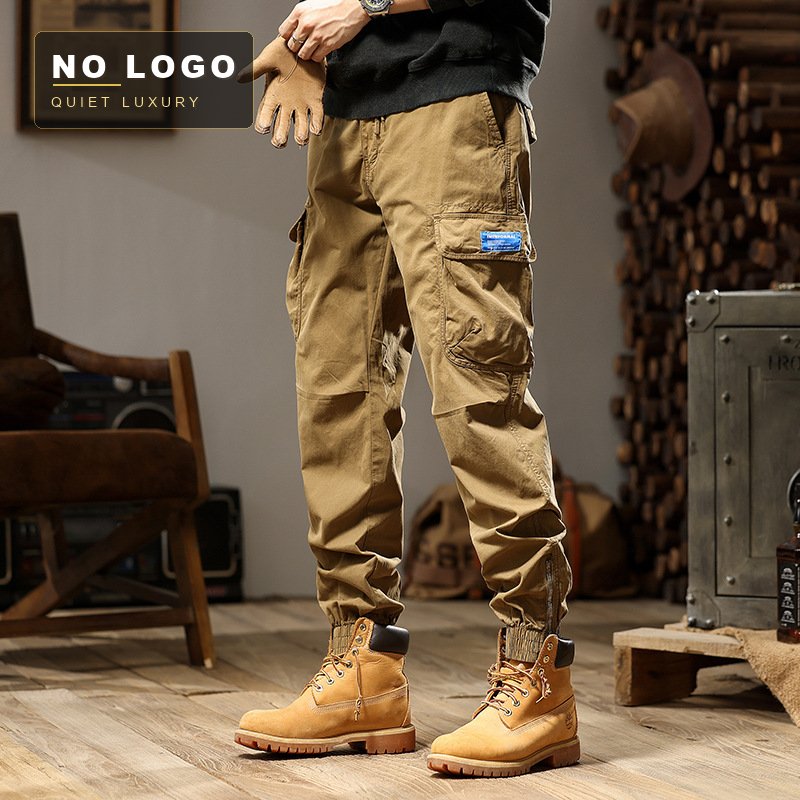
A cargo pocket fails at three points: the bar tacks that hold the corners, the stitch density along the side seams, and the fabric weight behind the pocket itself. Check those three things before you confirm any wholesale order, and you avoid the two most common buyer complaints — pockets that sag after washing and corners that split under load. We sew cargos every day at our workshop in Shishi, so this article walks you through exactly what we inspect on every production run. \n\n The three weak points, and how we reinforce them \n The side seams of a cargo pocket carry most of the load, and they are where most repairs start. We run two rows of stitching at 10 to 12 stitches per inch along the sides, then add bar tacks at the top and bottom corners. A bar tack is a dense cluster of stitches packed into one spot — it costs almost nothing per unit, and it is the most cost-effective upgrade you can request on any cargo program. The third weak point is the fabric behind the pocket. On our washed cotton cargo shorts with 3D pocket…

Read more