
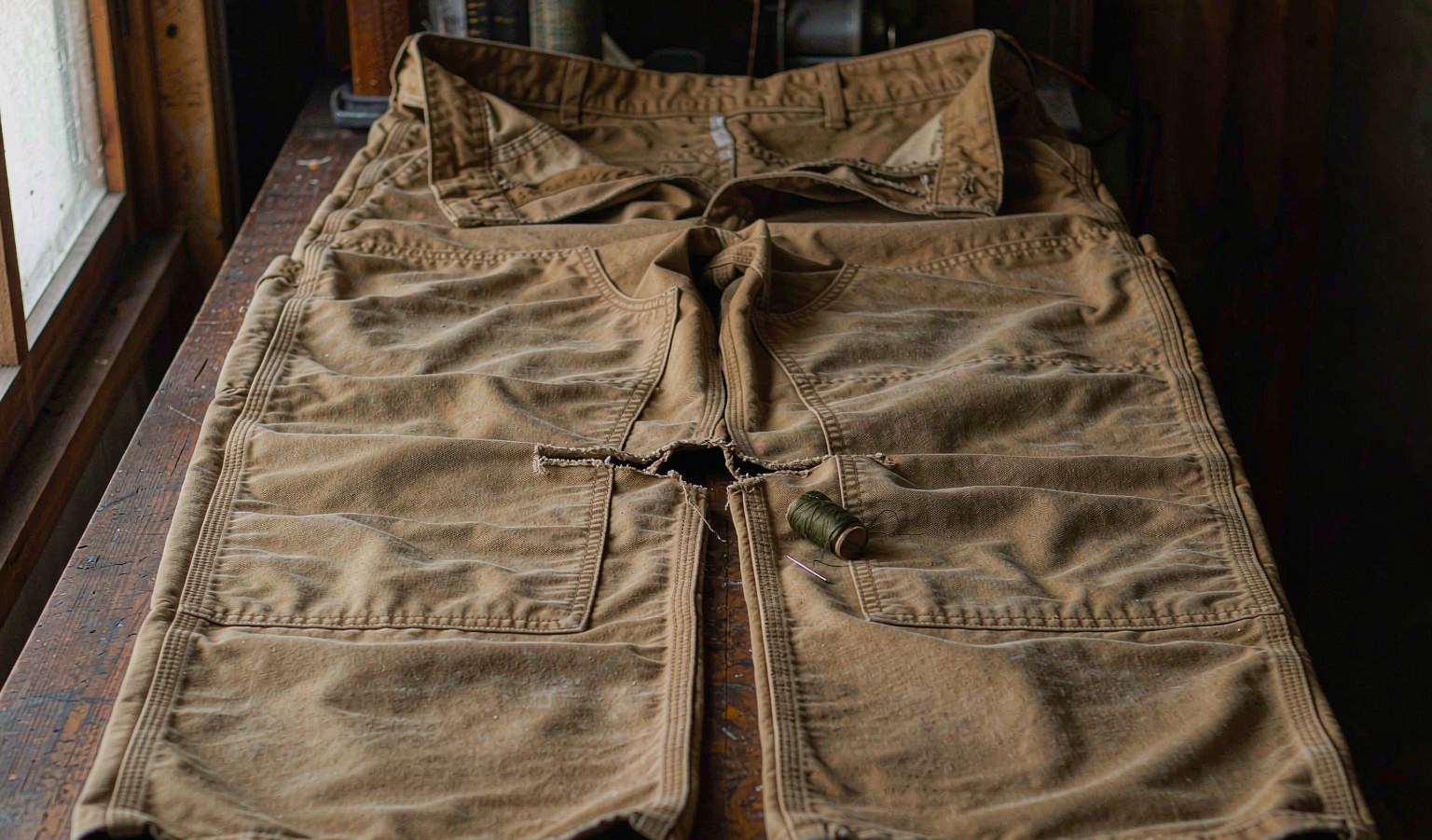
Your Work Pants Tore at the Knee. That Is Not Wear. That Is One Seam Failing.
A hole does not mean your work pants are finished. A tear is a failure at one point, and the cloth around it is usually as strong as the day you bought it. If you have ever thrown out a pair you liked because one seam split, you have probably felt the doubt right after: was that pair really done? Usually it was not. This piece gives you the arithmetic behind mend versus replace, the three cases where a repair wastes money, and a five-minute check to run before you decide.
The bin feels like the easy answer. One tear, one decision, done. It is also the habit that cheap clothing quietly depends on, because a garment that gets repaired was built to be worth repairing.
The case for binning them is not unreasonable
Put the other side honestly. A new pair of heavy work pants costs sixty to ninety dollars. A repair shop charges ten to twenty-five dollars to patch a knee or restitch a split seam, you make two trips, and a clumsy patch can pucker and look worse than the tear. Heavy twill is hard to sew by hand, and not every shop will feed twelve-ounce canvas under the needle. Fit work is only half of what alteration shops do, and we set out their limits in a separate piece on what a tailor can and cannot fix. If a repair costs half a new pair and buys back three months, binning wins. That is a legitimate outcome, and pretending otherwise is how a mending article loses its reader.
A tear is a point failure, not an expiry date
Woven cloth is a grid of yarns, and the grid is what holds the load. A midweight cotton twill runs about forty ends to the inch, so a sixty-inch-wide panel carries roughly 2,400 warp yarns. A tear one and a half inches long breaks about sixty of them. That is 2.5 percent of the warp in that panel. The other 97.5 percent never noticed anything happened.
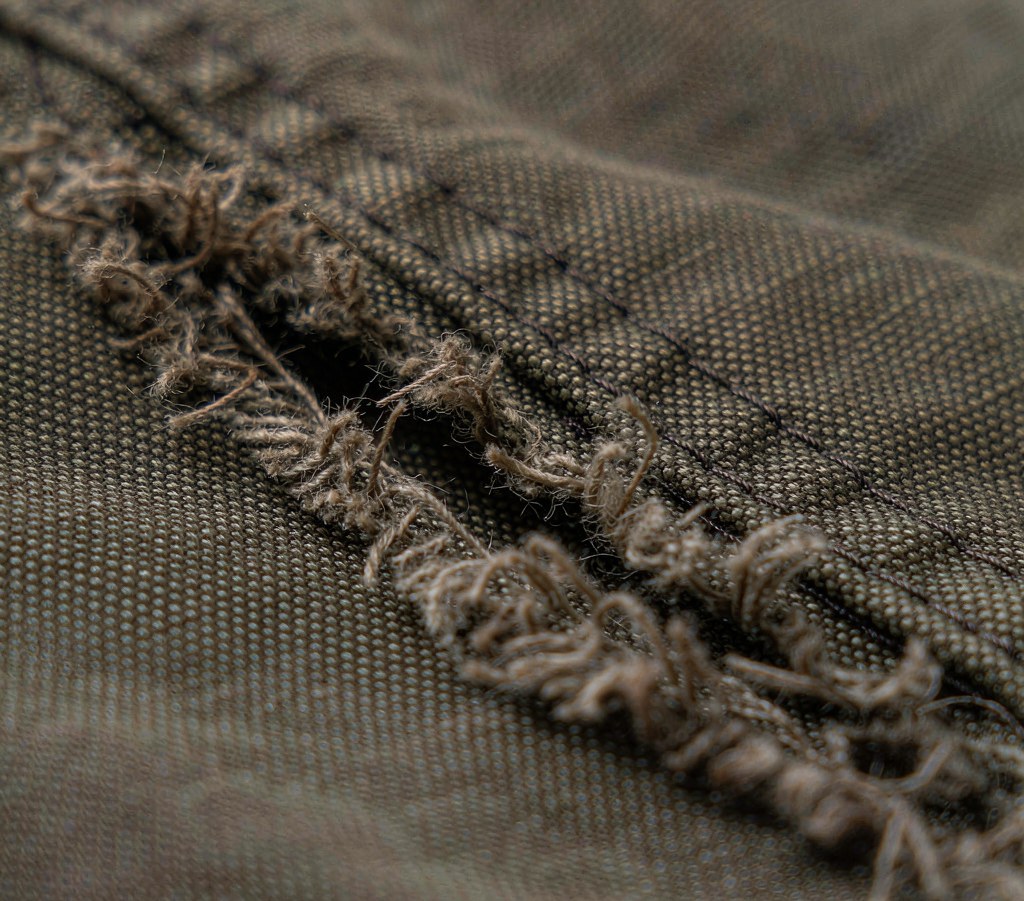
Seams are the honest exception, because a seam is a designed weak line: every stitch punches a hole in the cloth. But a failed seam is also the easiest fix there is, since the panels on both sides are intact and a machine can simply sew a new row beside the old one. A hole at a stress point usually means the factory under-reinforced that spot, not that the garment is old. The same yarn logic explains why engineered rips spread, which our piece on how rips are made and why they blow out covers in detail.
What the repair actually costs
Run the numbers on a typical knee patch. A spool of heavy thread costs about three dollars and covers a dozen repairs. The patch itself can come from the leg of a retired pair. A shop charges ten to twenty-five dollars. A new heavy pair runs sixty to ninety. So a twenty-dollar repair that buys back a year and a half on a pair with two years of life left beats a seventy-five-dollar replacement that resets nothing but the clock.
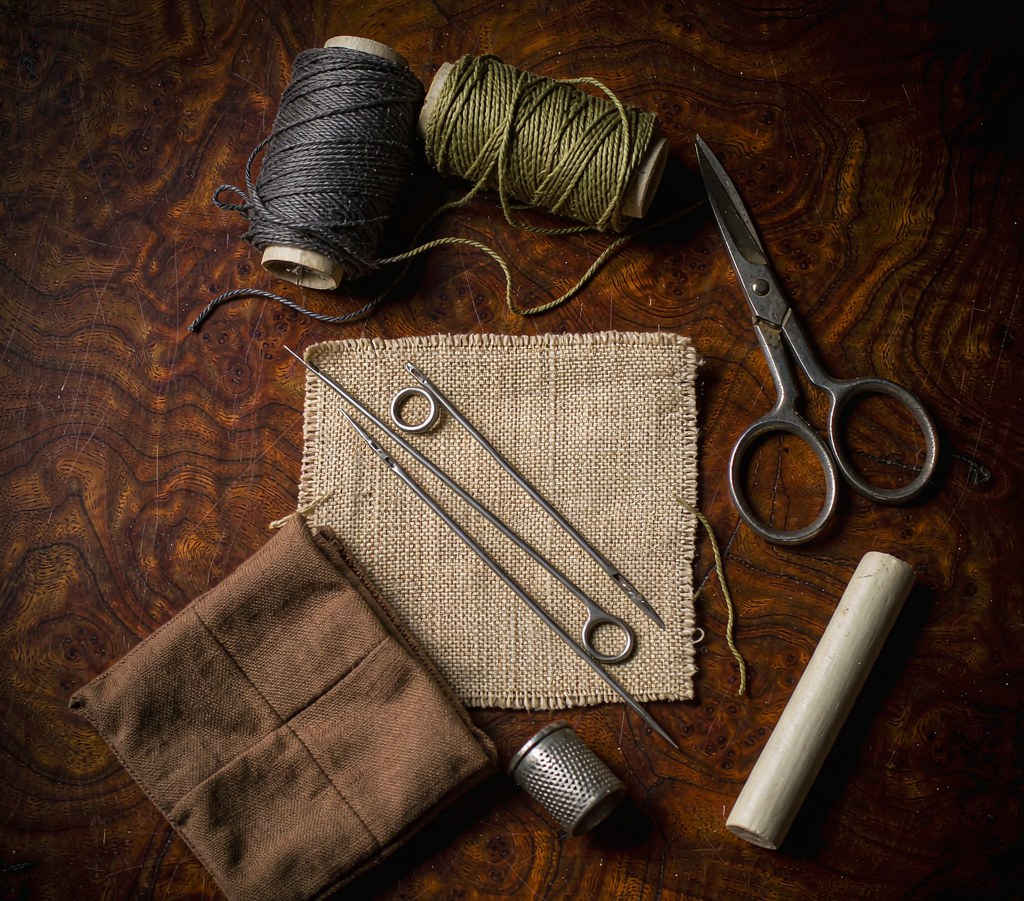
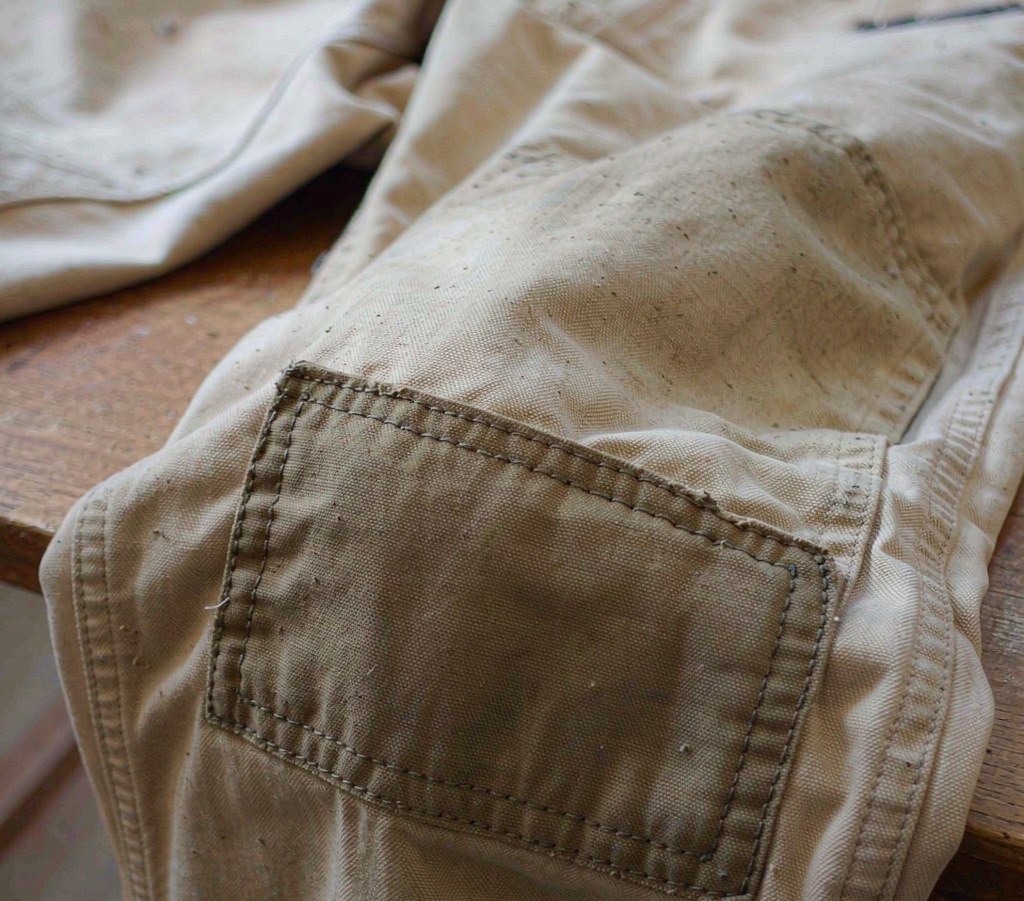
There is a quieter saving too. A pair you have worn for a year is already broken in around your body. The replacement starts stiff at the waist and the thigh, and it will not feel right for weeks. Repairing keeps the fit you paid for.
Three repairs that are not worth doing
- The whole panel is thin. Pinch the seat or the thigh and hold it against a lamp. If light floods through in patches, the cloth is worn out everywhere, and a patch stitched to dead fabric pulls out within weeks.
- Chemicals have rotted the fibre. Bleach burns, mildew from damp storage and battery acid eat the cotton itself, and the damage runs past the edge you can see. Stitching on top of weakened fibre is decoration.
- The seam allowance is gone. If a tear has eaten right up to the stitching line, there is no cloth left to sew to, and a new seam sits in the wrong place and changes how the pants fit.
Everything else, a split seam, a knee tear, a blown pocket corner, is fair game.
The five-minute check before you decide
- Tug test. Pinch the cloth on both sides of the tear and pull. If it holds with no new runs, the surrounding fabric is sound.
- Light test. Hold the most worn area, usually the seat and thighs, against a bright lamp. Opaque cloth is repairable. Glowing patches are not.
- Measure what is left. If the tear sits more than a centimetre from any seam line, a patch has cloth to grip. If it runs into a seam, plan a re-stitch instead.
- Decide by the remaining life, not the tear. Sound fabric plus a local tear means repair. Thin fabric anywhere means retire the pair and cut the good leg into patch stock.
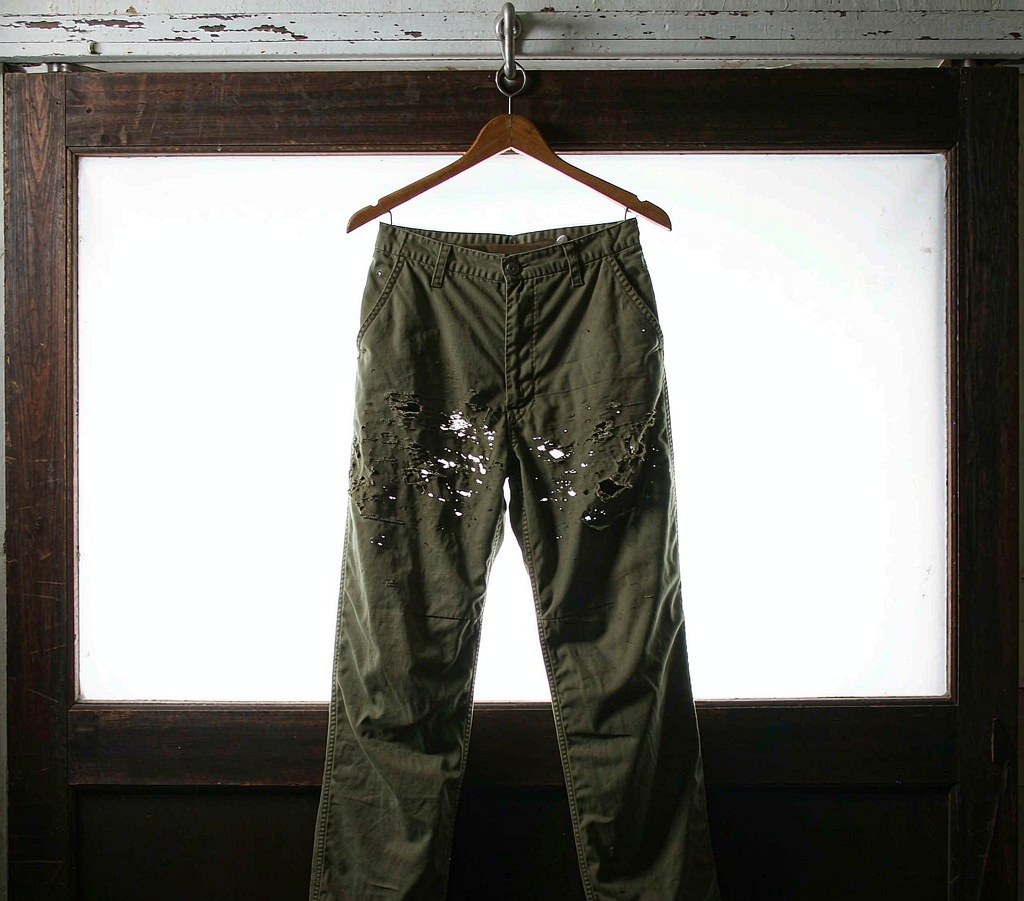
Done honestly, the test ends most arguments in five minutes.
Key takeaways
- A 1.5-inch tear in a 60-inch panel breaks about 60 of 2,400 warp yarns, roughly 2.5 percent, and the cloth around it keeps full strength.
- A repair costs about 3 dollars in thread or 10 to 25 dollars at a shop; a new heavy pair runs 60 to 90, so mending wins whenever the fabric is still sound.
- Three repairs are not worth doing: cloth thin across the whole panel, fibre rotted by bleach or mildew, and a seam allowance that is already gone.
- The light test catches wear the eye misses. Hold the seat and thighs against a lamp before you spend anything.
- A retired pair still works as patch stock. Cut the good leg into squares before it goes out.
FAQ
How long does a patched knee actually last?
On sound cloth, a patch stitched with two rows of tight stitching commonly outlasts the panel around it, because the patch adds a second layer exactly where the wear is. On cloth that was already thin, expect the edge of the patch to lift within weeks. That is why the light test comes first.
Can I machine-sew a patch myself without a shop?
Yes, and heavy cotton is friendlier to home machines than most people expect. Use a jeans needle, size 100 or 16, straight stitch around the patch twice, and go slowly at the seams. A zigzag edge finish on the patch keeps the fraying down while you work.
A tear is information about where a garment works hard, not a verdict on it. Mend what is sound, retire what is thin, and let good clothes earn their years. The heavy washed pieces like our washed denim work jacket are built with reinforced stress points for exactly this reason. At BenClothing, we would rather you keep a pair for five years than buy three. Shop the collection and pick something worth mending.