Deep Brown Replaced Black This Season. Here Is How to Use It
Brown did not replace black. It replaced navy.
That distinction matters, because it explains why the shift happened quietly rather than as a statement. Black is not going anywhere — it is still the safe answer for a jacket, a boot, a belt. What moved is the second colour in the wardrobe: the one you reach for when black feels too formal, too cold, or too much like a uniform. For a decade that slot belonged to navy. This autumn, walking through the same shops I walk through every season, the rack tells a different story.
The Rack Changed Before the Runway Did
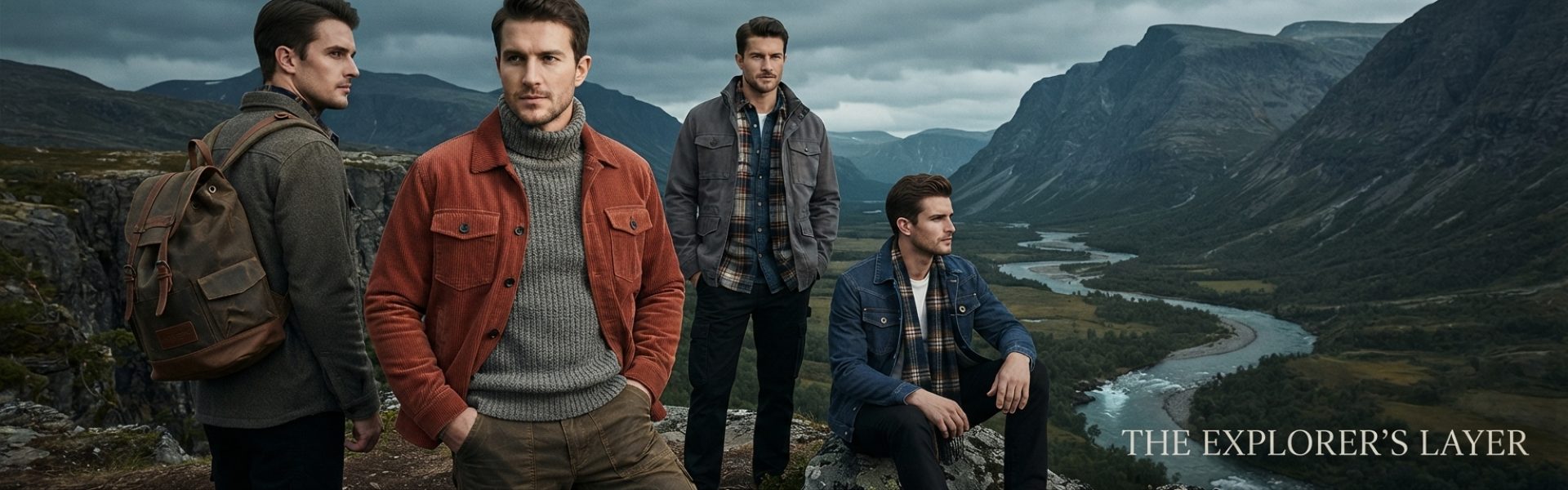
Trend reports usually arrive from above — a runway decision, a season later a shop window, two seasons later a high street copy. This one moved the other way. The colour that keeps showing up in menswear this autumn is not a new invention; it is a shade that was already sitting in the workwear aisle, in corduroy, in waxed cotton, in unlined canvas. What changed is that it moved from the utility shelf to the front table.
The reason is practical rather than aesthetic. Brown reads as material. Put a brown jacket next to a black one in the same weight and the brown one looks like it was made from something; the black one looks like it was dyed to hide what it was made from.
What Brown Actually Means on a Hanger: Four Shades
“Brown” is not one colour, and this is where most wardrobes go wrong. Four shades do four different jobs:
- Chocolate and espresso — the darkest end. Reads almost as black in low light, which is why it is the easiest substitution if you are replacing, not adding.
- Chestnut and cognac — mid-range, warm, the most forgiving on most skin tones and the one that pairs with denim without effort.
- Tan and camel — light end. Formal in a soft way, but unforgiving: it shows every mark and it goes yellow under bad light.
- Clay and terracotta — the red-shifted end. Best kept to one garment at a time; two of them together read as a costume.
If you only add one, add chestnut. If you are replacing black rather than complementing it, go chocolate. The mistake is buying tan because it photographs well and then discovering it only works for eight weeks a year.
Why It Works With Workwear: Earth Tones Read as Utility
There is a reason this colour arrived through workwear rather than tailoring. Browns are what untreated materials look like. Undyed wool, raw canvas, unwashed corduroy, the inside of a leather strap — the palette is the palette of the material itself. A heavy cotton twill in brown does not look like it is pretending; it looks like what it is.
Our own line leans this way for the same reason. A washed corduroy shirt in deep brown carries an embroidered chest detail that would look decorative on a light colour and looks structural on a dark one. The single-pleat wide-leg corduroy trouser takes the same logic into the bottom half: a pile fabric shows its depth better in brown than in any other shade, because the light catches the nap unevenly.
The Pairings That Fail: Black Belt, Bright Blue, Cold Grey
Brown is easy to wear and easy to ruin. Three combinations to avoid:
Brown trousers with a black belt and black shoes. The old rule about not mixing them is overstated, but the belt-and-shoe version genuinely looks like two outfits sharing a waist. Move the leather to brown, or move the trousers to charcoal.
Brown with bright blue. Not navy — navy is fine, navy is the whole point. Bright blue, the kind that appears on a running jacket, drains the warmth straight out of brown and leaves it looking muddy.
Brown with cold mid-grey. Grey and brown both sit in the neutral zone and both are quiet, which is exactly why the combination goes flat. If you want two neutrals, separate them by temperature, not by shade.
Texture Decides Whether Brown Looks Cheap or Expensive
Here is the part that no colour guide tells you. Brown is the least forgiving neutral when the fabric has nothing to say. A flat, smooth, thin brown fabric looks like a delivery uniform. The same shade in corduroy, in brushed twill, in a heavy jersey, or in a yarn-dyed weave looks considered.
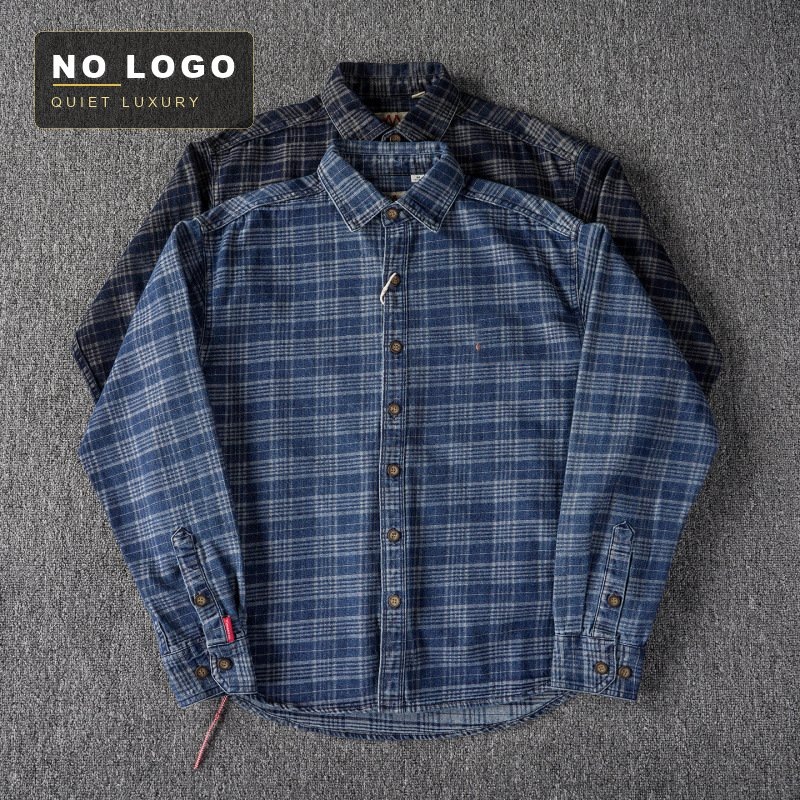
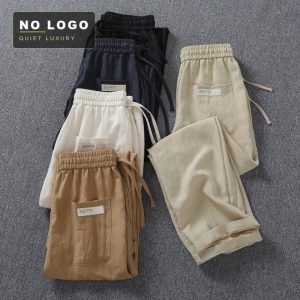
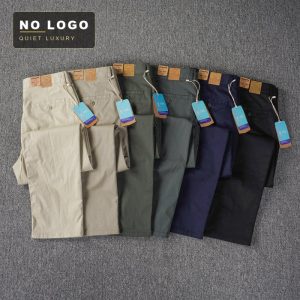
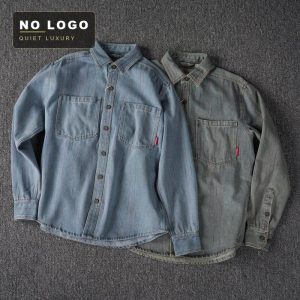
So the buying rule is simple: if you are spending on brown, spend it on texture. A relaxed linen-blend pant gives you the colour with a visible slub running through it. A plaid denim shirt in vintage tones gives you brown as part of a pattern, which is the safest way to wear the shade if you are not sure about it yet. Both hold up better than a plain brown poplin ever will.
Starting From a Wardrobe That Is Already Black
If your wardrobe is mostly black and you are not replacing anything, do not start with a brown jacket — that is the hardest piece to justify. Start where the colour does the least damage and the most work:
- Swap one pair of trousers. Trousers sit furthest from the face, so a colour change there reads as a choice rather than a statement.
- Then add one mid-layer — an overshirt, a shirt jacket, a knit. This is the piece that sits between black outerwear and whatever is underneath.
- Leave shoes and belts until last. They are the pieces most people notice and the ones most expensive to correct.
Done in that order, the change takes a season and costs you two garments. Done in the wrong order — jacket first — it usually ends with a brown jacket that gets worn four times.
Brown Is a Slot, Not a Trend
The reason this shift is worth paying attention to is not that brown is suddenly fashionable. It is that the wardrobe has a fixed number of slots, and the second-neutral slot had been filled by the same answer for years. Whatever fills it next — brown now, possibly something else in three seasons — the lesson is that the slot exists and it is usually empty in most wardrobes.
Fill it once, with something that has weight and texture, and you stop needing to think about it. See the pieces we build in that direction across our collection.