
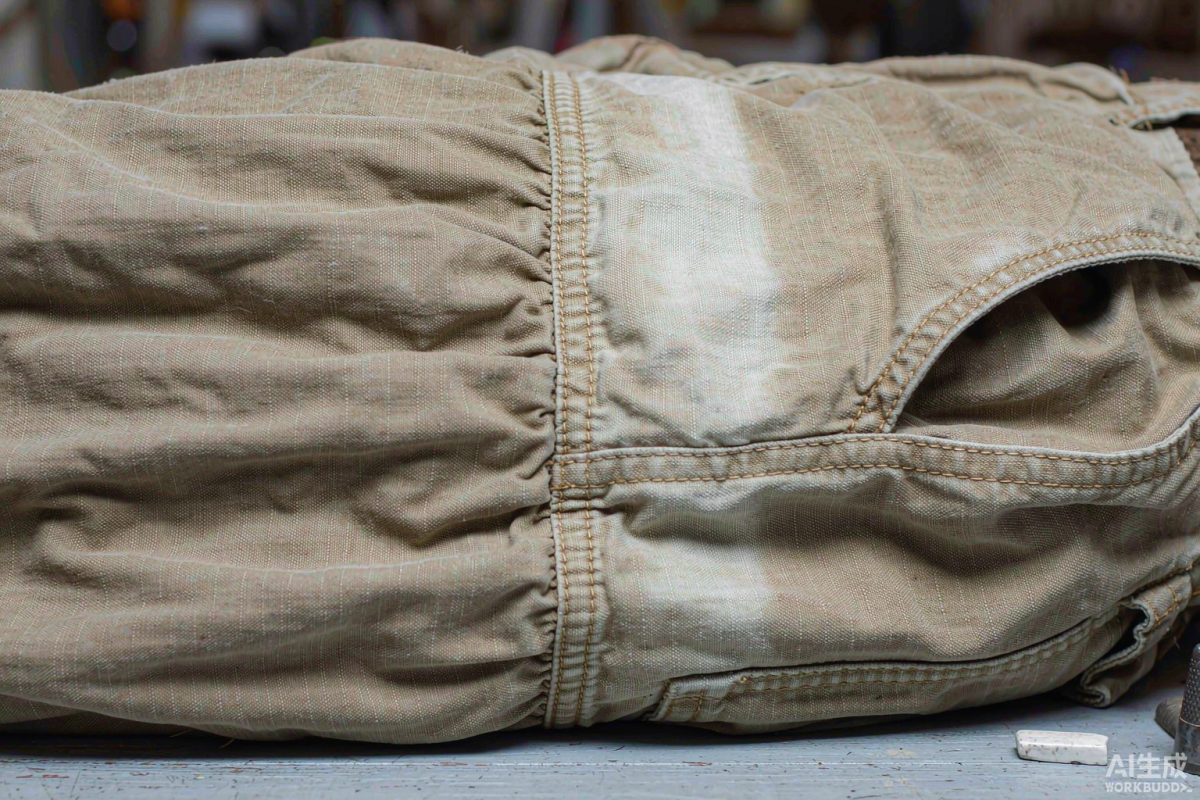
What Fabric Is Most Durable for Cargo Pants? Ripstop, Cotton Twill, and What Actually Lasts
Ripstop cotton and heavy cotton twill are the most durable fabrics for cargo pants. Ripstop’s crosshatch of thicker threads stops a small tear from spreading, while heavy twill shrugs off the abrasion that thins out knees and pocket edges. If a cargo pocket has ever blown out on you after one season, the fabric or the stitching was usually the reason. This guide shows what to check before you order your next pair.
Ripstop: the grid that stops a tear
Ripstop looks plain at first, but run your thumb across it and you feel a subtle grid. Thicker threads are woven into the base fabric at regular intervals, both across and down. When something sharp snags the cloth, the tear hits one of those heavy threads and stops there instead of running across the whole panel.
The weave was developed for military field gear, which is why so many cargo and tactical pants borrow it. If you kneel in your pants, hike in them, or haul gear in and out of pockets all day, ripstop earns its keep. The trade-off is a faint grid texture up close; most people never notice it once the pants are on.
Cotton twill: the quiet workhorse
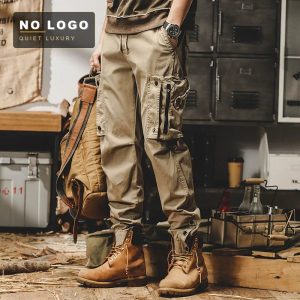
Twill is a weave, not a weight. The weft passes over one and under two warp threads, which creates the diagonal lines you see on denim and chinos. Fewer interlacings per centimetre leave a smoother surface, and the yarns can slide slightly under stress instead of snapping. That is why twill handles abrasion better than a plain weave of the same weight.
Most cargo pants worth buying sit on this weave. At BenClothing, we cut our cargo pants from durable cotton twill and list fabric, fit and care on every product page, like our Multi-Pocket Cargo Pants, which pair the twill shell with a relaxed fit for daily wear.
What the weight numbers mean
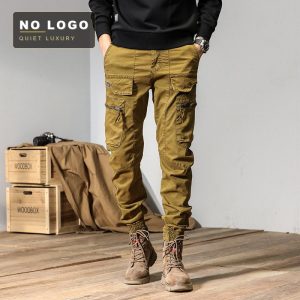
Fabric weight is usually printed in ounces per square yard. Around 8 oz is a light summer cloth. Ten to twelve ounces is the all-season middle ground. Above 12 oz you are into heavyweight territory, the kind of cloth used for workwear that meets gravel and concrete.
One caution from our cutting room: past roughly 12 oz, weave density and stitching decide more than raw weight. A tightly woven 12 oz twill with reinforced seams will outlast a loosely woven 14 oz pair every time. When a shop does not publish the weight, ask for it. Where a spec is not yet confirmed, we say so on the page rather than guess.
The stitching that survives the first wash
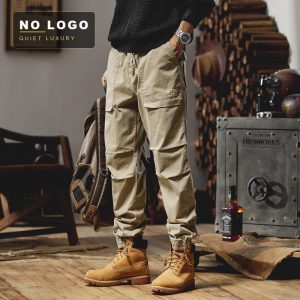
Fabric gets the blame, but seams decide most failures. Check three things before you buy. Double-needle side seams, which hold through repeated wash cycles. Bar tacks at pocket mouths, because that is where keys, tools and phones stress the cloth hundreds of times a week. And a stated care instruction: heavy cotton twill that asks for a machine wash cold cycle is normal, while a cargo pant marked dry clean only is a red flag.
Our Multi-Zipper Cargo Pants follow the same playbook: reinforced pocket openings and a tapered leg that keeps the fabric from bagging at the knee.
FAQ
Does heavier fabric always last longer?
Up to about 12 oz, yes, more weight usually means more abrasion resistance. Above that, the weave and the stitching matter more than the number on the label. A bar-tacked, tightly woven 12 oz twill will outlast a loose 14 oz weave.
How can I judge fabric quality before buying online?
Look for three things on the product page: a named fabric such as cotton twill or ripstop, a stated weight or an honest note that it is being confirmed, and care instructions that make sense for heavy cotton. You can compare spec tables across our cargo pants collection to see what a complete one looks like.
Key takeaways
- Ripstop cotton stops tears from spreading because thicker threads cross the fabric at regular intervals.
- Heavy cotton twill is the workhorse: its diagonal weave resists the abrasion that thins out knees and pocket edges.
- As a general shopping rule, 12 oz and above counts as heavyweight; past that point, weave density and stitching matter more than weight.
- Bar tacks at pocket mouths and double-needle side seams are the two construction details that decide long-term durability.
- At BenClothing, our cargo pants are cut from durable cotton twill and every product page lists fabric, fit and care.
Durable cargo pants come down to two fabrics, ripstop and heavy cotton twill, plus the stitching that holds them together. Check the weave, check the weight, then check the bar tacks. Do that and the pair you buy this year will still be in rotation next year.