How to Tell Good Denim: Weight, Weave, and the Selvedge Test
Good denim is judged by weight (12–14 oz for jackets), weave density and the selvedge edge — hold it to light: even indigo with a tight twill line means quality, while streaky, loose weaves fade unevenly. That matters more online than anywhere else. You cannot touch the fabric, photos hide the flaws, and the first wash tells the truth. If you have ever bought jeans that bagged out at the knees or faded in blotches, this guide is for you. In a few minutes you will know exactly what to check before you click add to cart.
Start with weight: what the ounces tell you
Denim weight is listed in ounces per square yard. For trousers, 10–12 oz works all year in most climates. For jackets, 12–14 oz is the sweet spot: the fabric stands on its own, holds the silhouette, and breaks in instead of wearing out. Heavier denim feels stiff in the shop, then molds to your body over the first weeks — that softening is the point, not a defect. We compared the common weights in detail in our denim weight guide, so here we will stay practical: if a jacket feels like a shirt, it will never hold its shape.
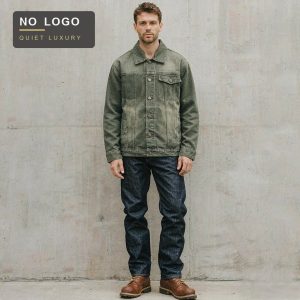
A classic cut that shows this well is our Men’s Loose Retro Denim Jacket — the body keeps its line after months of wear because the fabric has enough body to begin with.
Hold it to light: the weave density test
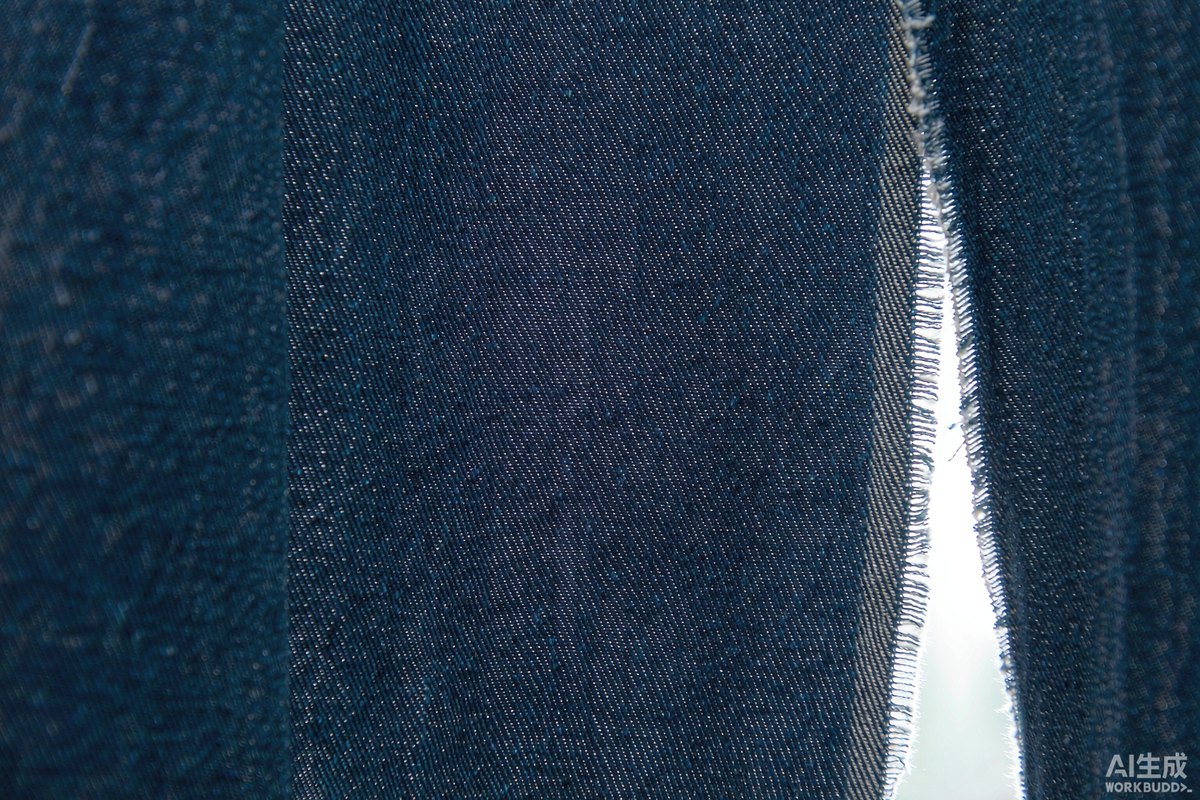
This is the fastest quality check and it works through a screen, too. Hold the fabric toward a lamp or window. Good denim shows an even, deep indigo face and a tight diagonal twill line running corner to corner. Tilt it and you should see the white weft peek through in a clean, regular diagonal. What you do not want is a patchy, streaky surface or visible loose gaps — those areas fade at different speeds, and after a few washes the jeans look tie-dyed instead of faded.
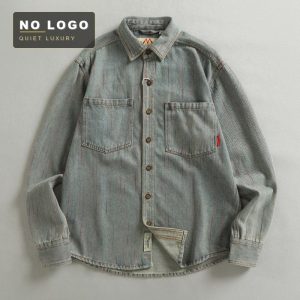
Yarn-dyed denim goes one step further: the yarns are colored before weaving, not printed after, so the color sits inside the thread. Our Yarn-Dyed Stripe Denim Shirt is a good example — the stripe is part of the weave, so it survives washing instead of washing out.
The selvedge edge: a good sign, but only one signal
Turn up the cuff or check the outseam. Selvedge denim is woven on shuttle looms and finished with a narrow, self-edged band — often white with a colored thread running through it (the famous “red selvedge”). It signals slower weaving and a denser edge that will not fray into a fuzz. Nice, yes. Decisive, no. A pair can carry a red line and still use loose, low-grade fabric elsewhere. Judge the weave and the weight first, and treat the selvedge as a bonus detail, not the verdict.
What garment wash does to the color
Raw denim is stiff, dark, and breaks in over two to three weeks of wear. Washed denim has already been through that cycle at the factory: it arrives soft, the shade is set, and it fades evenly because the loose dye has been removed up front. If you buy washed denim and the color still goes blotchy, the wash was rushed — another reason to buy from makers who control the process. Our Heavy Washed Blue Grey Jeans are washed for even fading and softness from day one.

What we check at BenClothing, so you don’t have to
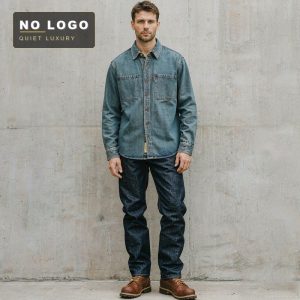
At BenClothing, we run every denim piece through the same three checks before it reaches the product page: fabric weight and weave density on the cutting table, color evenness after the garment wash, and hardware that survives the ride. Zippers and snaps carry the SBS stamp on both the slider back and the teeth — the same brand used by major workwear labels — because a good fabric with a dead zipper is still a dead jacket. Our Heavyweight Nostalgic Denim Shirt Jacket is a good reference piece: 100% cotton, garment washed, built on the same rules.
Key takeaways
- Jackets: 12–14 oz denim holds its shape and breaks in; trousers: 10–12 oz covers most of the year.
- Hold the fabric to light — even indigo and a tight twill line mean quality; streaky, loose weaves fade unevenly.
- A red selvedge edge is a good sign from a shuttle loom, but weave and weight matter more than the colored line.
- Raw denim softens in 2–3 weeks; properly washed denim is soft on day one and fades evenly.
- Check the hardware: a real SBS zipper is stamped on both the slider back and the chain teeth.
FAQ
Does heavier denim crack faster?
Stiff at first, it molds to you — raw denim softens in 2–3 weeks. Cracks come from thin, loosely woven fabric stressed at the knees, not from weight itself.
Is selvedge denim always better?
No. Selvedge describes the woven edge, not the fabric grade. A tight twill weave and honest weight tell you far more than a colored line on the cuff.
The bottom line
Weight, weave, and one honest look at the light: three checks, thirty seconds, and no more blotchy surprises after the first wash. Good denim is not about the label — it is about what the fabric does after month three.