

How heavy should your denim be? 10 oz, 12 oz, and 14 oz compared
Every week a buyer asks us the same question: which denim weight should I order? The catalogs all quote numbers like 10 oz or 14 oz, but few people explain what those numbers change in real production, or what they do to the final garment on a hanger in a store. Pick too light and the jeans feel cheap after two washes. Pick too heavy and your customers in a warm market never wear them. We cut denim every day in our Shishi workshop, so in this post we will walk you through the three weight ranges we run most often and where each one makes money.
What the ounce number actually measures
Denim weight is the fabric weight per square yard. A 12 oz denim weighs 12 ounces for one square yard of cloth, before any washing. On our cutting tables the difference is easy to feel: a 10 oz roll bends and folds on itself, while a 14 oz roll almost stands up on the table when we open it. One thing buyers often miss is that the weight on the invoice is the raw fabric weight, not the garment weight after wash. Washing and finishing usually strips 4% to 6% of the weight away, so a 12 oz jean comes out closer to 11.3 oz in hand. If your spec sheet says 12 oz and your customer weighs the finished pants, this gap is why.
10 oz to 11.5 oz: where stretch denim lives
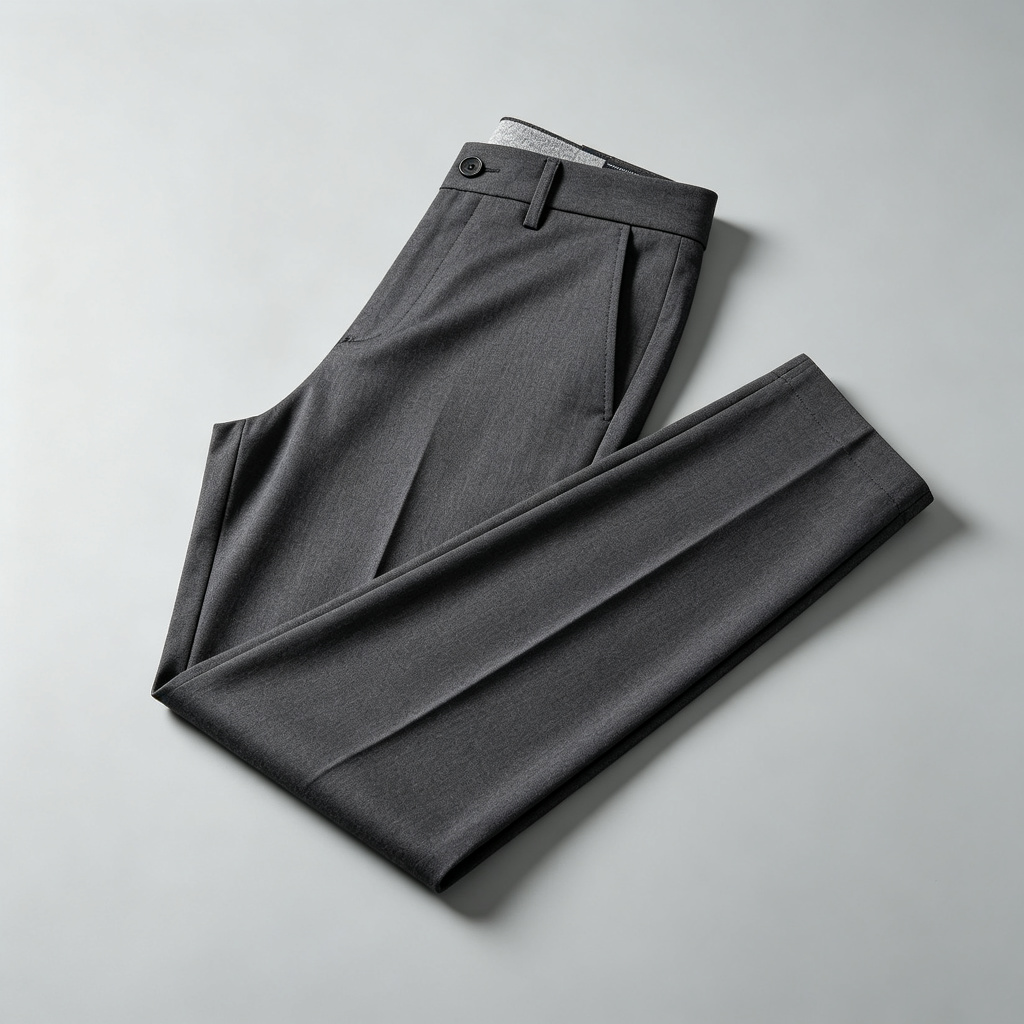
Almost every stretch denim we weave sits in this range, usually with 1.5% to 2% elastane in the weft. There is a simple reason. Elastane yarns lose recovery when the fabric gets too heavy, so a 14 oz stretch denim will bag at the knees much faster than an 11 oz one. For slim and tapered fits, we push buyers toward 10.5 to 11.5 oz with a soft rinse wash. Our stretch slim leg dress trousers use an 11 oz twill with 2% elastane, and the recovery after 30 domestic wash cycles still passes our knee-bagging check. If your market wears light layers most of the year, this range is the safest money you can spend.
12 oz to 14 oz: the workwear range
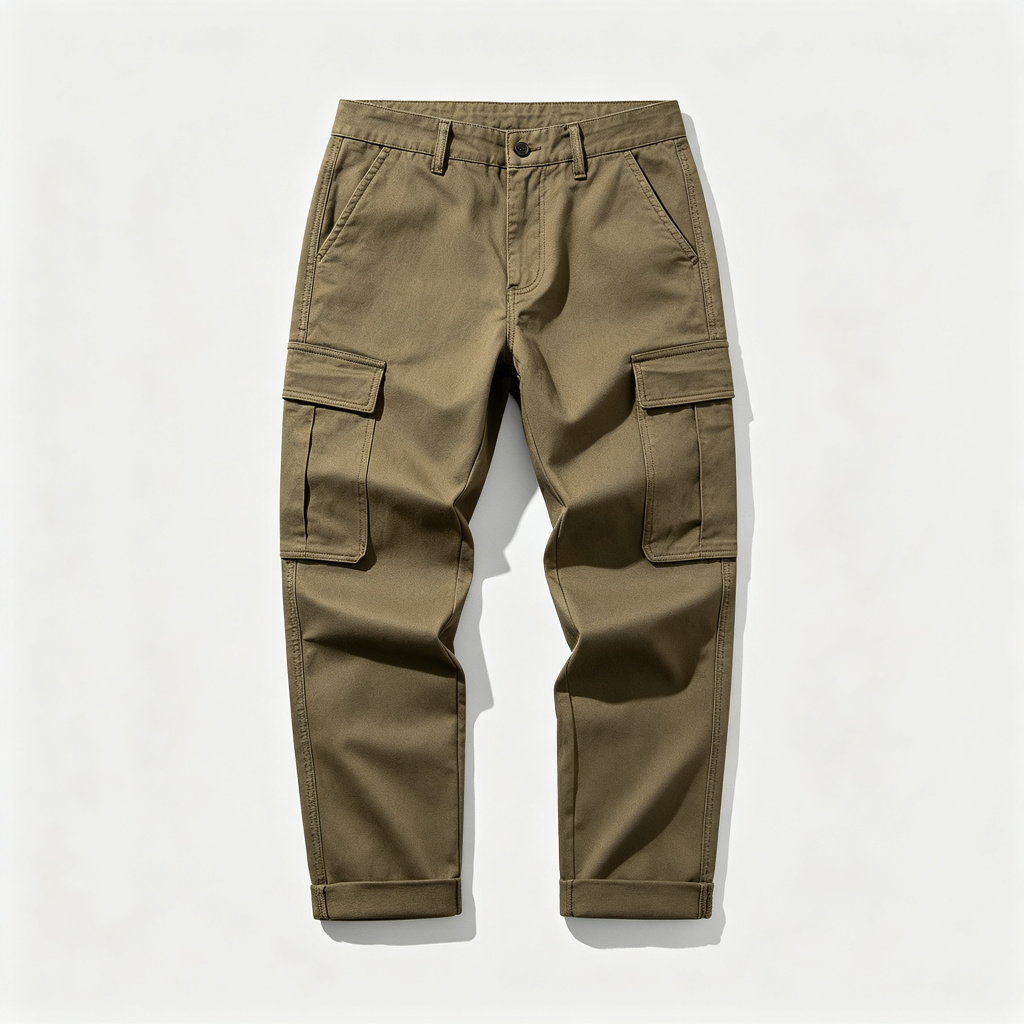
This is where classic five-pocket jeans and cargo pants belong. At 12 oz, the fabric holds its shape through bar tacks, rivets, and heavy topstitching without puckering. At 14 oz you get the rigid hand feel that American workwear buyers ask for by name. The trade-off is comfort in hot climates. We supply a lot of 13 oz cargo denim to European clients, and 12 oz to clients in Southeast Asia and the Gulf. Same pattern, different cloth, and neither customer is wrong. Our multi-pocket ripstop cargo pants sit at 12 oz, which we found is the heaviest weight that still keeps ripstop breathable in summer.
How washing changes the weight you ordered
A stone wash run of 60 minutes with pumice removes fiber from the surface, and garment dye adds a little weight back. Enzyme washes are gentler and keep more of the original hand. Across our three washing lines, the pattern is consistent: heavy stone washes cost 5% to 7% of fabric weight, rinse washes about 2%. This matters more for heavy denim than light denim, because a 14 oz jean that drops to 13 oz still feels solid, while a 10 oz jean washed hard can start to see through. When you approve a wash standard, ask the factory to weigh a finished garment, not just the swatch. We do this on every development sample before it ships, and it has saved us more than one argument about specs.
Picking a weight for your market
Here is the short version we give buyers who are ordering for the first time. Under 11 oz for stretch and slim fits, 12 to 13 oz for general five-pocket jeans and cargos, 14 oz and up for heritage workwear programs where the fabric is the selling point. If you are not sure, order one development pair in two weights and wear-test both for a week. You can also browse what we already run in the full shop catalog before committing to a custom build.
Summary
Denim ounces describe raw fabric weight per square yard. Light stretch lives at 10 to 11.5 oz, workwear at 12 to 14 oz, and washing takes a few percent off the final number. Match the weight to your climate and fit, and weigh the finished garment, not the swatch.