Relaxed, tapered, or straight: picking the cargo fit your customers will keep
A fit that looks great on a flat lay can turn into a returns headache six weeks later. We get calls about this every month: a buyer picked a cargo silhouette from a catalog photo, the sample looked fine, and then the retail batch came back because the leg opened too wide or the knee bagged out. The truth is that relaxed, tapered, and straight are three different products, not three names for the same pants. Here is how each one behaves, and what we measure before we cut a single roll of ripstop.
\n\n
Relaxed fit is the workwear baseline, and it lives or dies at the knee
\n
Relaxed means roughly 4 to 6 cm of extra room through the thigh compared with a regular cut, and it stays wide all the way down. On our multi-pocket ripstop cargo pants the relaxed block carries a 24 cm leg opening in size 32, which leaves space for the side pockets to hold a phone, a multi-tool, or a water bottle without pulling the hem up. The failure point is the knee. If the pattern does not add drape behind the knee, a relaxed pant bags out after three washes and starts looking secondhand in the wrong way. We add 1.5 cm of knee ease on our relaxed block for exactly that reason.
\n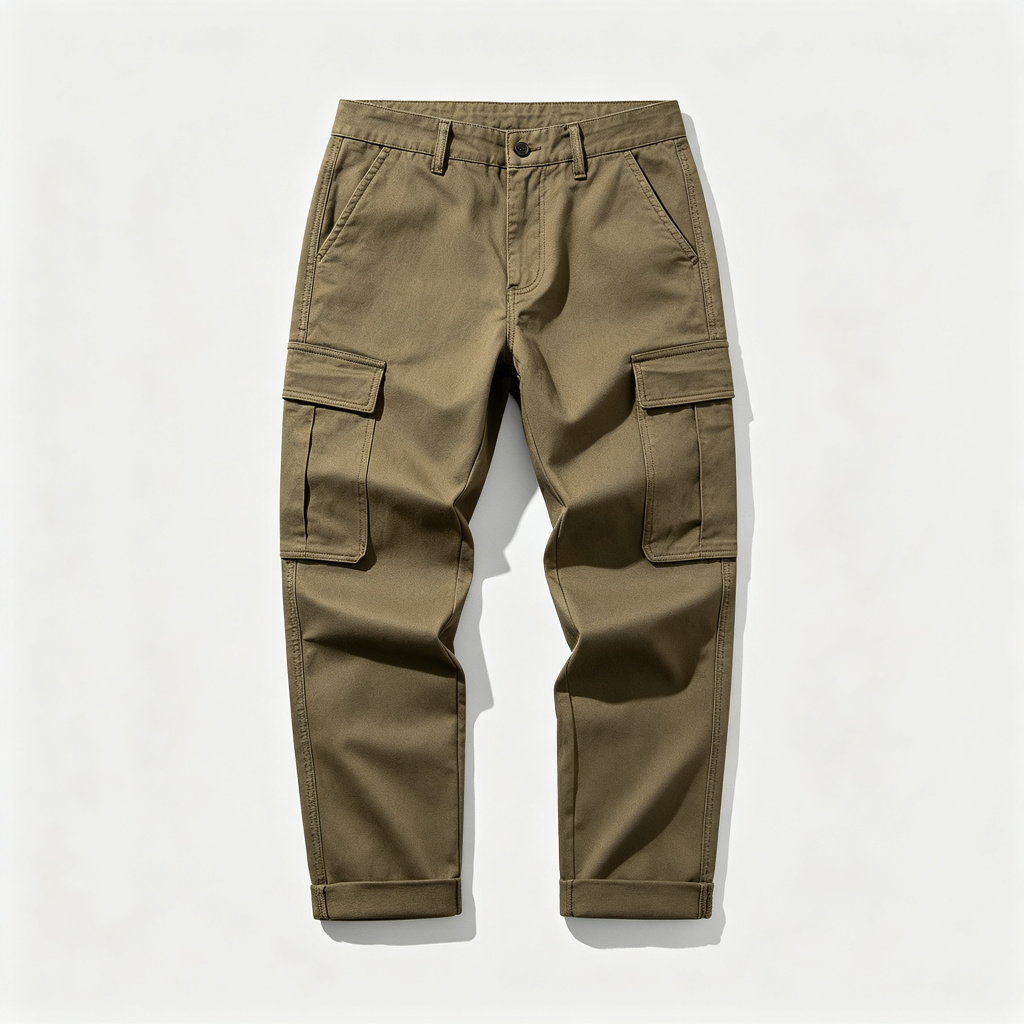 \n\n
\n\n
Tapered is the fit the streetwear side of your shelf wants
\n
Tapered keeps room through the thigh and then pulls in below the knee, often down to a 17 to 18 cm opening. It reads slimmer without squeezing anyone, which is why it sells well in stores that sit closer to fashion than to workwear. The tradeoff shows up in the pocket design. A deep cargo pocket on a hard taper flaps open and looks bulky, so on tapered styles we either lower the pocket or shrink it. Our stretch slim leg trousers take the same idea one step further with 2 percent elastane in the weave, so the taper holds its shape even after a full day of sitting.
\n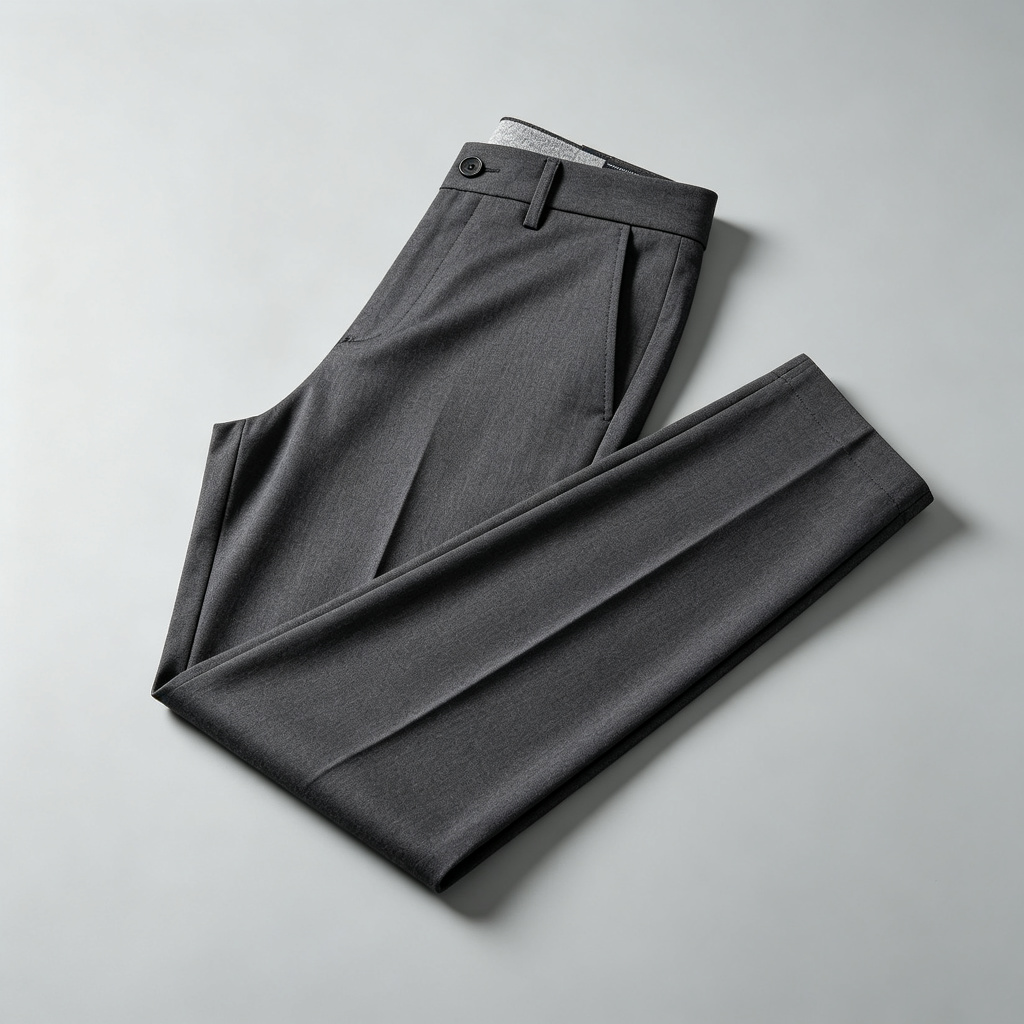 \n\n
\n\n
Straight leg is the easiest to size across a whole range
\n
Straight is not lazy. It is the fit where grading from 28 to 40 causes the least distortion, because the leg line keeps its angle from thigh to hem. If you sell to a mixed customer base and cannot predict which sizes will move, straight leg covers the most ground with the least fit risk. In our workshop it is also the most efficient to produce at scale, since the side seam needs no curve adjustment between sizes and the cutting marker wastes less fabric, usually 2 to 3 percent less than a strong taper.
\n \n\n
\n\n
We test every fit on a body before the bulk run
\n
Spec sheets lie less than photos but more than legs. Each style gets worn through a full shift on our floor: squatting, ladder work, sitting in a van. We check the knee after the shift and again after two wash cycles, then adjust the pattern once. Only when the sample survives that routine do we send it out. If you want to compare the three fits side by side, the shop catalog lists the leg opening of every style in the size chart, so you can order a mixed sample set without guessing.
\n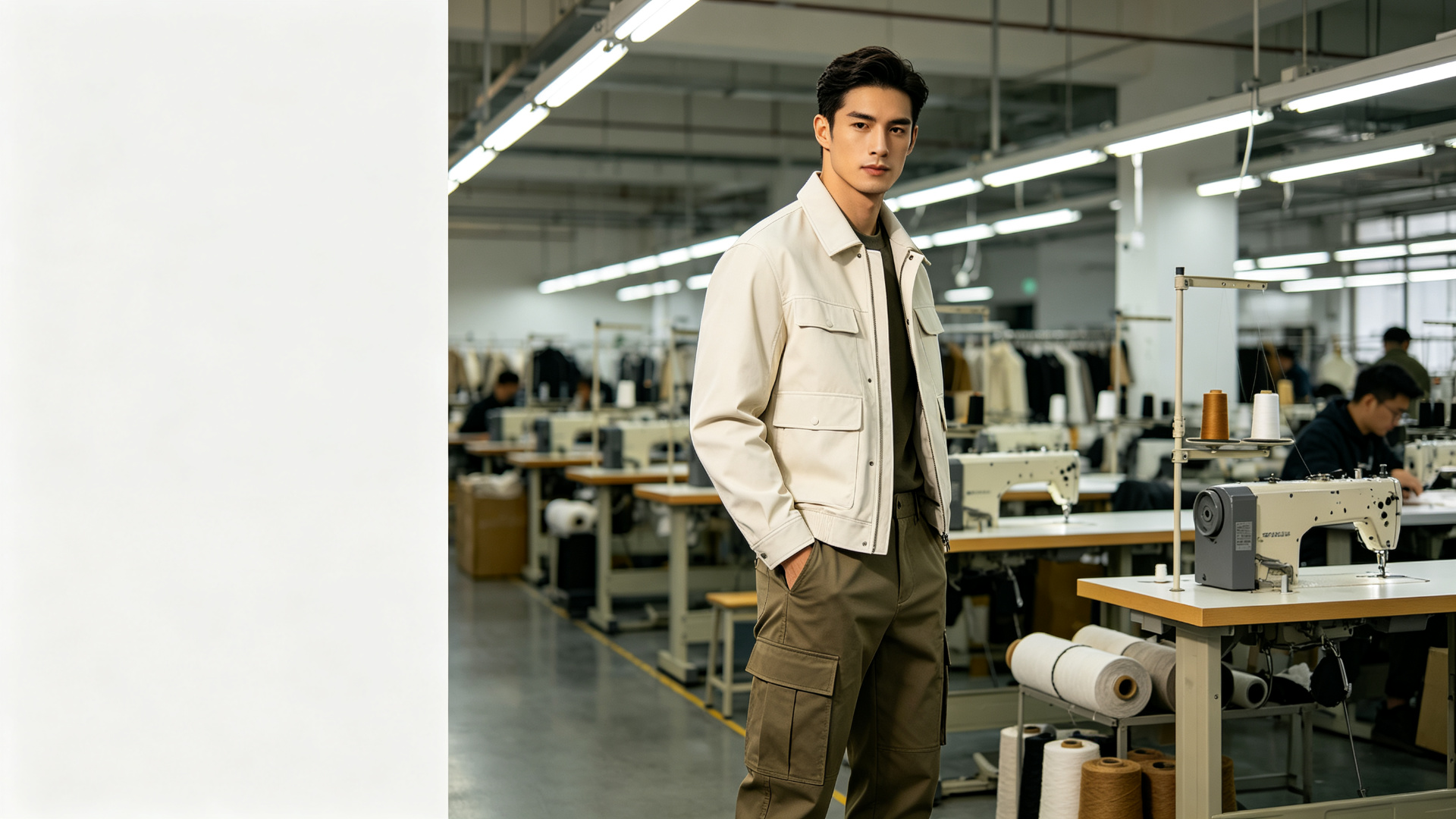 \n\n
\n\n
The short version
\n
Relaxed fits hard work and big pockets, tapered fits fashion-leaning shelves, straight covers a mixed size range with minimal production waste. Check the leg opening and the knee ease in the size chart, not the model photo, and the fit will do what you expect.
\n\n
Contact us for wholesale pricing and we will send samples of all three fits from our next production run.
\n