Why the Heavier Pair Costs More (and When It Shouldn’t)
Fabric is sold by weight, and that one fact explains most of the price gap between two pairs cut from the same pattern. Cloth at 380 gsm carries roughly half again as much yarn as cloth at 240 gsm across the same width, and yarn is the largest single line in what a woven cotton fabric costs.
That is the straight answer. The frustrating part comes next: you are told “the fabric is heavier” and left to guess whether the extra money bought yarn, or process, or nothing much at all. Last week I stood between two rolls of twill at the cutting table, one dense and one light, and the difference was obvious in the hand and invisible in a product photo. So here is the chain walked backwards, from the tag on the shelf to the bale of cotton, plus the cases where a thicker pair is just thicker and nothing more.
Start at the price tag and walk backwards
Two pairs, same size, same fit, same colour. One costs noticeably more. The money did not go into a badge, because there is no badge to pay for. It went into the cloth, and into the number of operations that cloth needs before it becomes a trouser.
Five stops decide nearly all of it: yarn, loom time, dyeing and washing, cutting, and sewing. Only the last two happen after the cloth already exists. The first three are paid for by the metre.
First stop is yarn, and yarn is most of what you are paying for.
A pair of pants takes roughly 1.3 to 1.6 metres of cloth at 150 cm width, depending on size and how tightly the pattern nests. Raise the weight and you are buying more cotton for every one of those metres. Mill pricing follows the same logic: heavier cloth in the same construction costs more per metre, before dyeing and before anyone sews a seam.
Yarn count matters as much as weight. A 380 gsm cloth spun from longer, finer yarns costs more to make than the same 380 gsm spun from short, thick ones, and it wears differently too: denser face, cleaner drape, less fuzz after a season. Handle two swatches side by side and the heavier one should feel firm rather than fuzzy. Fuzz is the tell that the weight came from short fibre instead of from more fibre. If you want the short version of how weight is measured, our explainer on what GSM means covers it in one page.
Second stop is the loom, where heavier cloth runs slower.
Loom time is billed by the hour, not by the metre. Heavier cloth runs at lower picks per minute, uses more warp tension, and takes longer to produce the same length of fabric on the same machine. A mill that can turn out light twill quickly is not turning out dense twill at the same rate, and the schedule gap has to be paid for somewhere.
Weave structure changes the bill again. Plain weave is faster than a multi-shaft twill, and a twill with a long float takes longer still. This is why two fabrics can weigh the same and still price differently.
Third stop is dyeing and washing, where heavy cloth keeps eating cost.
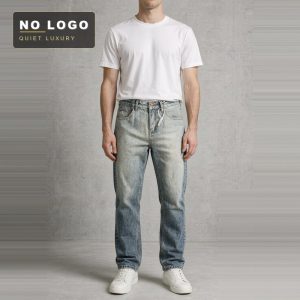
Dye baths are sized for the weight of the load, so heavier cloth soaks up more dye and more water per metre, and it takes longer to penetrate evenly. Getting a heavy fabric to dye level is harder than getting a light one there, which is why the same colour code can cost more to run on a dense cloth.
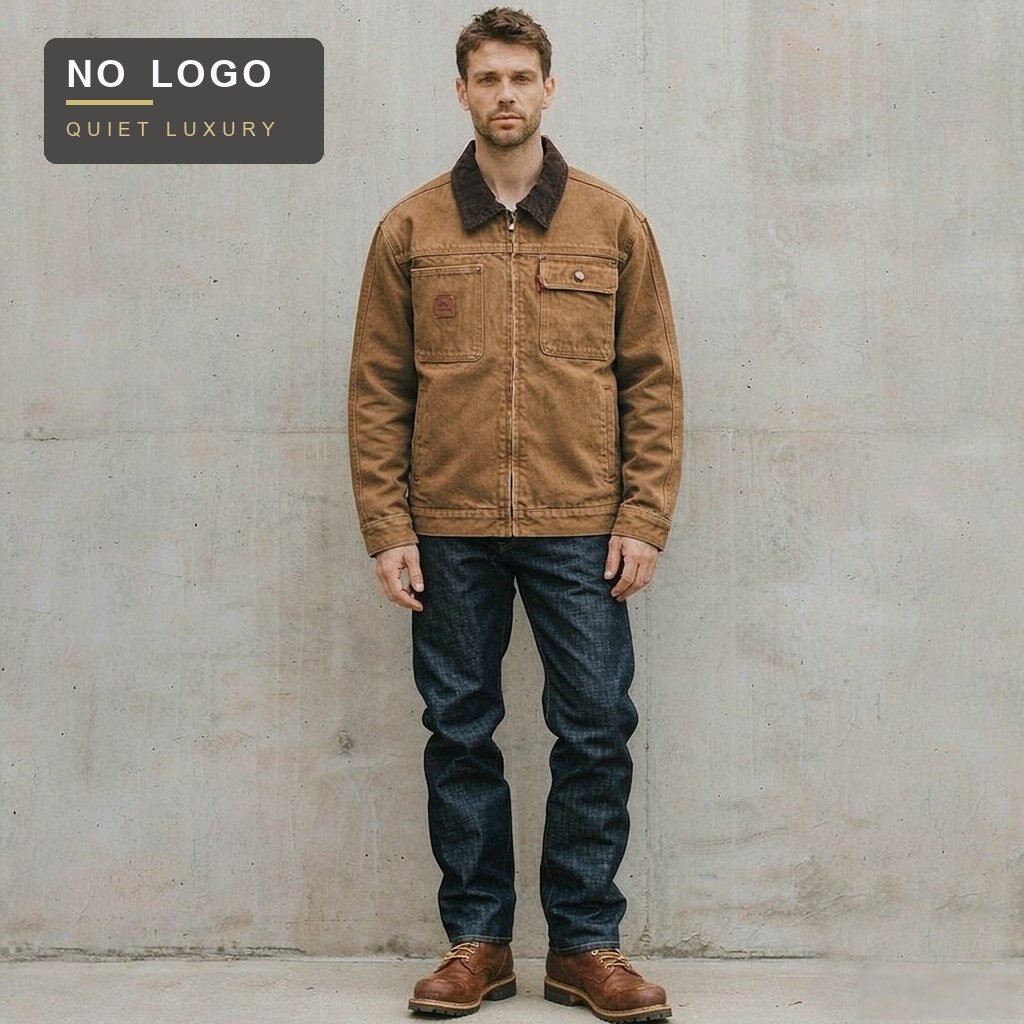
Then add the wash. A garment wash is a separate production run with its own water, chemicals, machine hours and drying time, and heavier garments hold more moisture in the dryer. Denim that has been washed and worn-in, the way the pair above has, went through a whole extra station that raw cloth never sees.
Fourth stop is the cutting table and the sewing line.
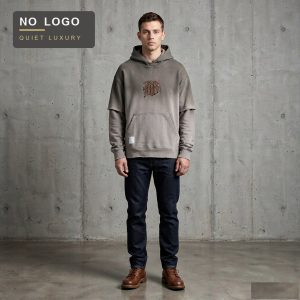
Dense cloth is cut in shorter stacks, because a cutter can only push a blade through so many layers before the bottom ones drift and the pieces come out uneven. Fewer layers per lay means more lays, more marker time, and more handling for the same order quantity.
Sewing slows down too. Heavier cloth needs a larger needle, stronger thread, and often a heavier machine setting to feed the layers without slipping. Multi-pocket workwear adds stitching at every pocket bag, flap and bar tack, and every one of those operations is a line on the cost sheet. This is the station where a pair stops being expensive because of its cloth and starts being expensive because of its construction.
When the heavier pair should not cost more
Weight is not a warranty. There are three situations where the extra grams are simply extra grams.
The weight came from short fibre. If the cloth feels hairy and soft rather than firm, the 380 gsm was reached with low-grade cotton, and it will pill, bag at the knee and fade faster than a lighter cloth spun from better yarn. Pinch it, release, and watch how slowly it comes back.
The weight came from finishing. Stiffener and heavy calendering can make a light cloth feel substantial in the shop and go limp after three washes. If the hand changes dramatically after the first wash, you paid for chemistry rather than for fibre.
The stitching did not keep up. A heavy cloth sewn with fine thread and a loose stitch length will fail at the pocket corner or the seat seam long before the cloth itself wears out. Look at the bar tacks at the pocket corners, the side seam, and the waistband attachment.
And the last case has nothing to do with the cloth: if you spend your day in a chair at comfortable room temperature, a very heavy pair is dead weight you carry all day. Orders over $149 ship free on pants, jackets and hoodies, which makes it easy to test a heavier pair against your own wardrobe rather than guessing.
Three questions to ask before you pay for weight
Before you spend more on grams, get answers to these.
- How many days a year will I actually wear this pair, and at what temperature?
- Is the difference in the yarn and the weave, or in the finish that will wash out?
- Do the bar tacks, side seams and waistband match the weight of the cloth?
Ask the first question honestly and the other two become easy. Most people who feel they overspent on a heavy pair were sold weight for a climate they do not live in.
FAQ
Does a heavier pair of pants last longer?
Not automatically. Wear life comes from yarn quality, weave, stitch density and how you wash and dry it. Weight buys structure: less show-through, better drape, more resistance to wind. A dense cloth made from short fibre will pill faster than a lighter cloth made from longer yarn. On knitwear, weight does most of that job, which is why we put it in the product name on our heavyweight hoodies and sweatshirts instead of hiding it in a spec sheet.
If two pairs weigh the same, why is one more expensive?
Same weight, different route. Finer yarn, a garment wash, more panels and pockets to cut and sew, stronger thread, and better hardware all raise the cost without changing the grams. Treat weight as one signal among several. When you open a product gallery, look at the fabric surface, the bar tacks at the pocket corners, and the side seam before you look at the number.
Pay for weight when the weight is doing a job: holding a straight line, blocking wind, keeping shape through a winter of wear. Skip it when the extra grams only show up on the label. At BenClothing, we would rather sell you one pair you keep for years than three you replace each season. Shop our collection