
Same Size Tag, Different Fit: Why Your Size Chart Is Not a Spec
The carton is where it shows up.
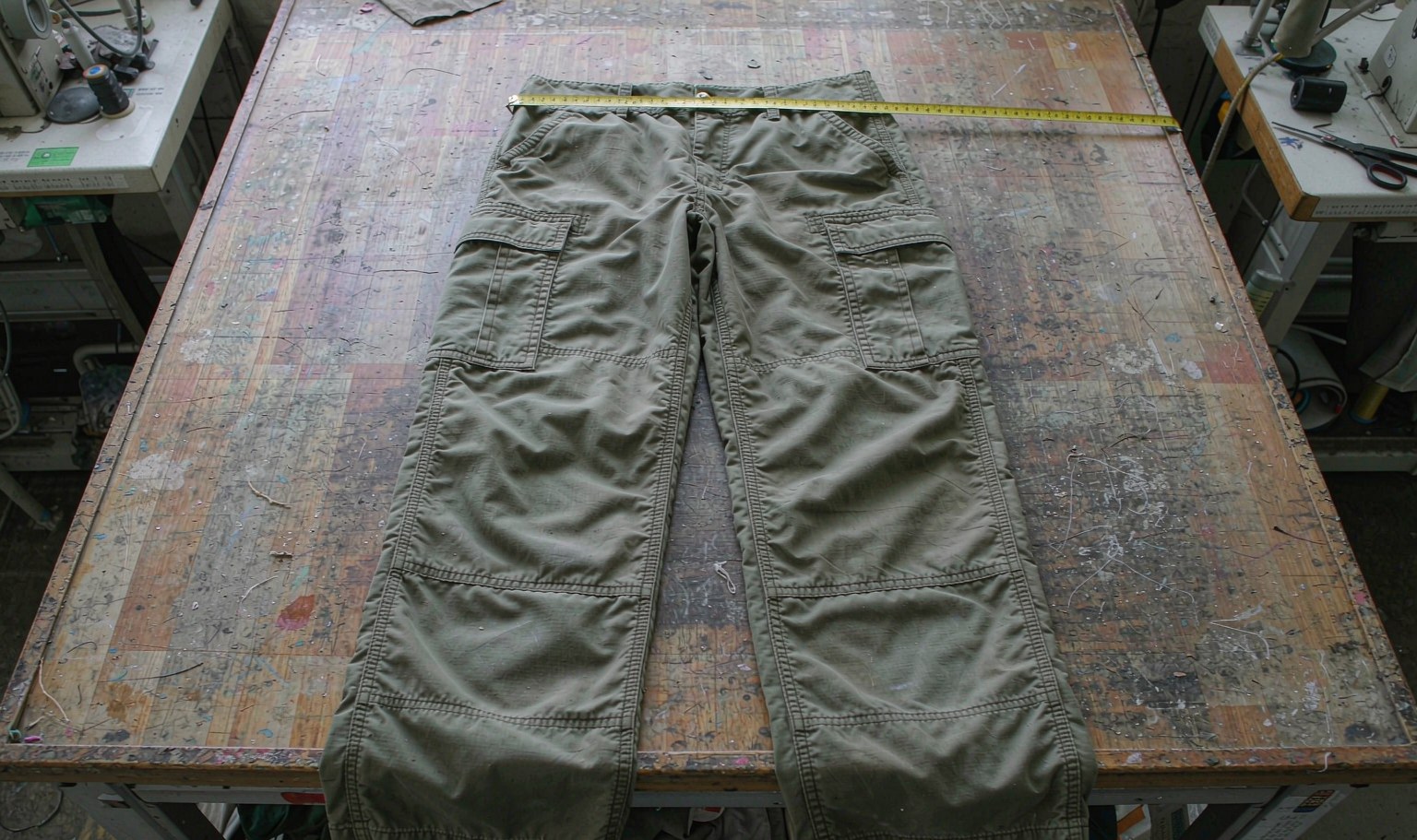
Fit problems never introduce themselves at the pattern table. They introduce themselves the day a carton opens and someone wraps a tape around a waistband, three time zones away from the factory. By then the cloth is cut, the sewing is done and the freight is paid. So run it backwards. Most fit disputes come down to three measurements — waist, hip and inseam — and all three were decided months earlier, by documents nobody argued about.
Points of measure: write them the boring way
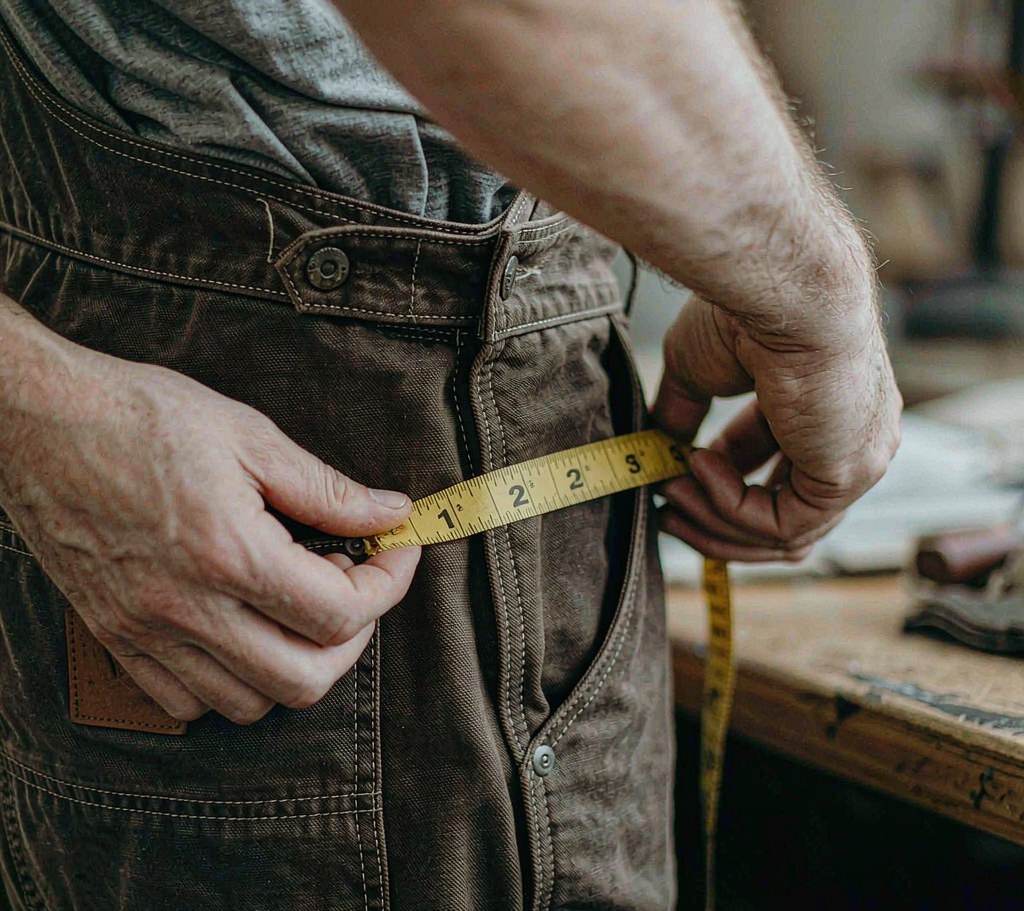
“Points of measure” sounds like jargon until a dispute proves what it is worth. “Hip” is not a measurement. “Hip: 8 cm below the crotch seam, garment flat, half measure doubled” is. Two careful people can measure the same trouser 3 cm apart if one chases the widest point and the other follows a fixed landmark. The fix is boring on purpose: every point gets a name, a landmark, a tape position and a state — relaxed, washed or stretched. One sentence per point ends most arguments before they start.
Grading increments come from the block, not the spreadsheet
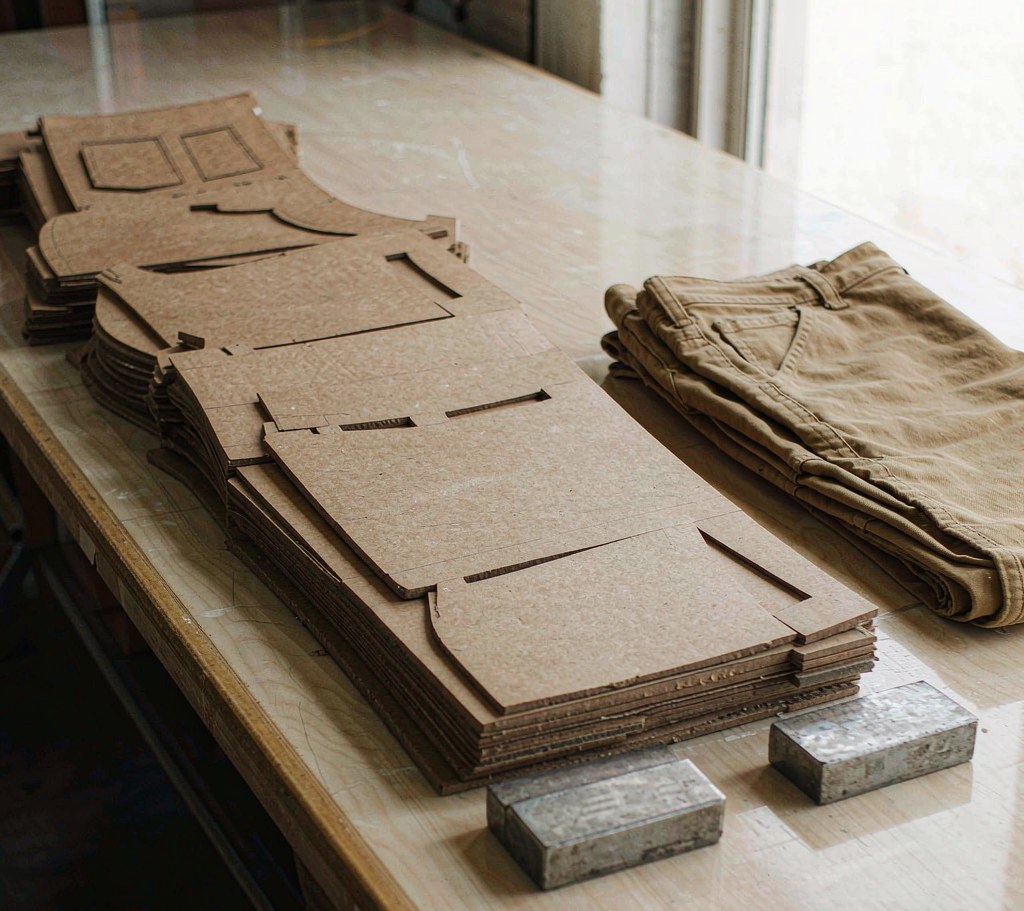
A size chart shows one column. Grading is the rule that writes the rest of the columns, and the rule lives in the block — the base pattern every size is cut from. The numbers also have to stay in balance. If the waist grows 2.5 cm per size while the hip grows 3 cm, the seat-to-waist balance shifts half a centimetre every size up: a 32 that fits cleanly can pull across the seat by the time it reaches 38. That is arithmetic, not bad luck. When increments are chosen to make a spreadsheet look tidy instead of to follow the block, every size away from the sample inherits the error.
The tolerance line is the one nobody writes down.
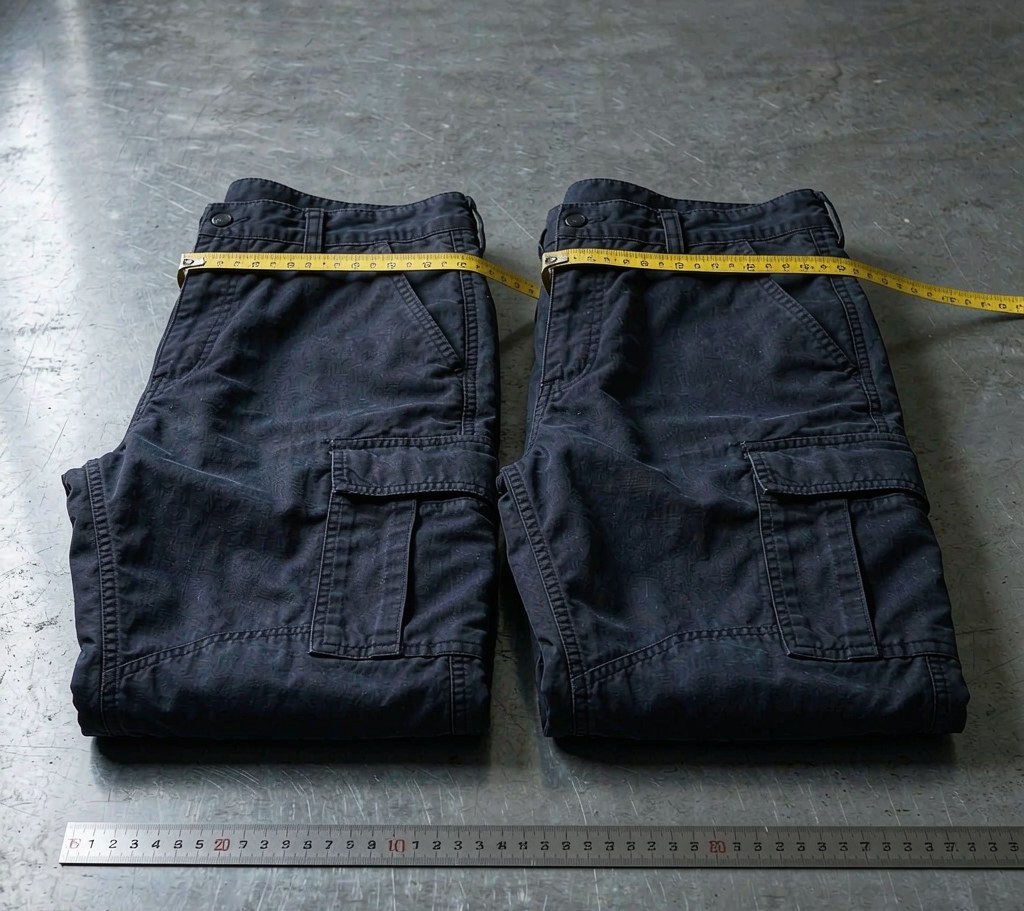
Even a correct measurement moves. Cotton relaxes after washing, tape tension differs between hands, and a waistband measured at the top edge is not the same one measured 1 cm below it. That is why a spec carries a tolerance for every point — for example, many houses hold a finished waist to plus or minus 1 cm and a hip to 1.5. Without written ranges, inspection turns into opinion, and opinion changes with the shipping schedule. Final inspection under AQL 2.5 checks workmanship; measurement drift is a separate gate, and it only works when the allowed range is on paper.
Sourcing moves. The block does not travel with it.
Here is why this got harder, not easier. At a sourcing conference in New York in late September, OTEXA figures were quoted showing that only 17.2 percent of US apparel imports moved through free-trade-agreement channels in the first five months of 2026, a share that has sat between 15 and 17 percent for two decades. Read it plainly: sourcing keeps moving between countries, and every move rebuilds the pattern room. A new pattern room reads a copied size chart its own way. It reads a defined spec the same way every time. That is why a chart photocopy is not a spec, and why reorders from a new source drift more than first orders.

What a grading spec carries that a chart does not
- Points of measure with landmarks, tape position and garment state
- Grading increments per point, tied to the block instead of the spreadsheet
- A written tolerance per point, so inspection has a range instead of a mood
- The measuring method itself: flat or on body, relaxed or washed
At our workshop in Shishi, this sheet is what a repeat order is cut from — not the last carton’s good luck. The same rule runs through every cargo and work-pant style we cut, from the techwear cargo pants to the summer cargo harem pants, because a grading spec only earns trust when it holds across styles.
Key takeaways
- A size chart describes one sample. A grading spec controls every size in every carton.
- Fix the points of measure first: hip at 8 cm below the crotch seam, half measure doubled — one sentence, most disputes gone.
- Balance the increments: waist plus 2.5 cm and hip plus 3 cm per size moves the fit half a centimetre every size up.
- Write a tolerance per point — for example plus or minus 1 cm at the waist — or inspection becomes opinion.
- Only 17.2 percent of US apparel imports moved through FTA channels in five months of 2026; a defined spec is the only document that travels intact.
FAQ
Is a size chart enough for a reorder?
No. A chart is a record of one sample; a spec is an instruction for every size. For a reorder you need points of measure, grading increments and tolerances, otherwise the factory measures the new run against memory.
Who owns the grading spec, the buyer or the factory?
Both, in writing. In our process the factory drafts the spec from the block, the buyer approves the points of measure and tolerances before bulk cutting, and any change gets a new dated version. Undated spec sheets are how two centimetres of drift survive three reorders.
A size chart is a photo of the past. A grading spec is a set of instructions the next run can follow. Add the three missing lines — points of measure, increments, tolerances — and your tenth order fits like your first. See how the increments hold across our work pants range, then contact us for wholesale pricing and we will turn your current chart into a spec you can reorder from.