
Your Size Set Photos Look Great. That Is the Problem.
You are standing at the sample table with three garments, one tape measure and a carton that has to ship in four weeks. The photos your factory sent look perfect: a model, good light, a nice angle. Then you look closer and realize none of those photos can tell you whether the size 34 is actually one and a half centimetres wider than the size 32.
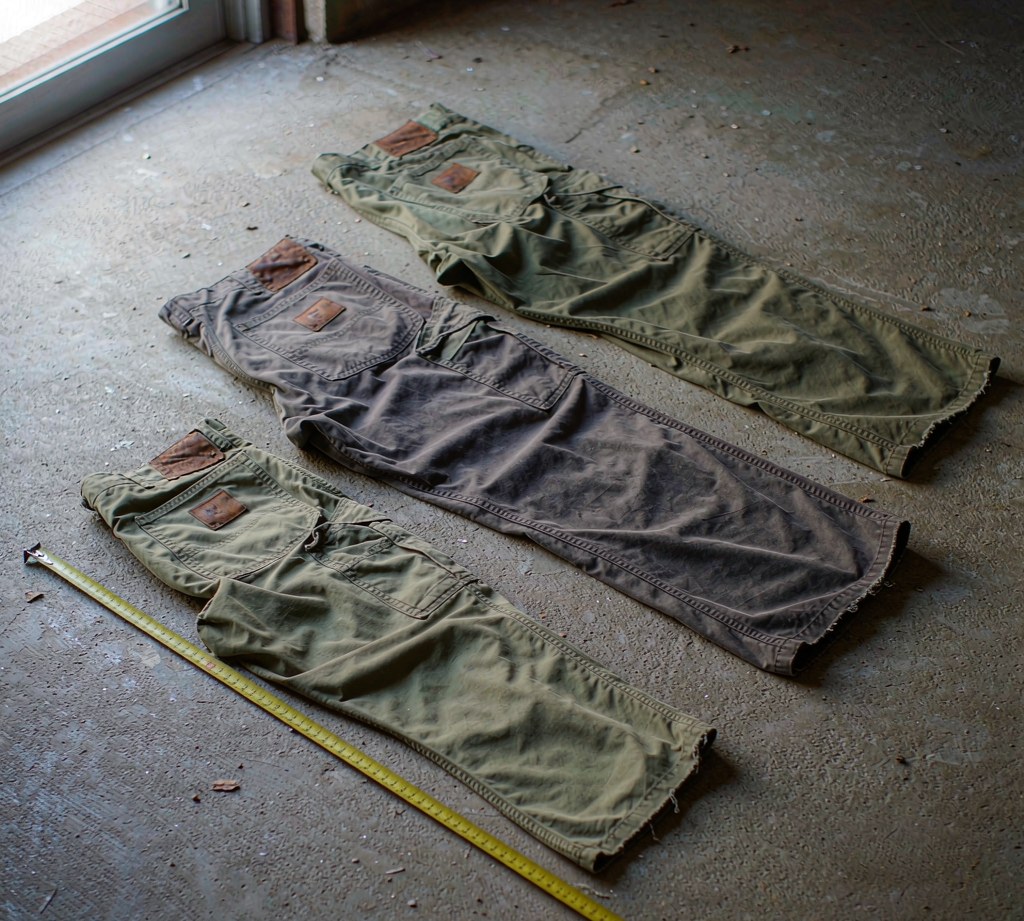
A size set is approved on numbers, not on how a garment photographs. We lay every size flat, keep the tape in the frame, measure at fixed points, wash one garment and measure again, and only then sign the sheet.
Buyers get burned here more than anywhere else in development. The fit sample fits. The bulk carton opens three weeks later and the middle size pulls at the hip. Nobody lied. Nobody measured.
What a size set is: three garments that have to agree
A size set is not three random samples. It usually covers three sizes from your ordered range: the smallest, the base size in the middle and the largest. A fit sample answers one question, whether the design works on a body. A size set answers a harder one, whether the grading holds from one end of the range to the other. The grading side of that question is its own subject, and we covered it in the piece on size charts and specs.
Flat on the floor beats on a body.
On a body, cloth drapes. A shallow back rise, a waistband one centimetre off, a side seam that twists, a body absorbs all of it and the photo still looks good. Laid flat on a hard floor, the same garment confesses. You can see the taper, the bagging at the knee and the twist in the leg.
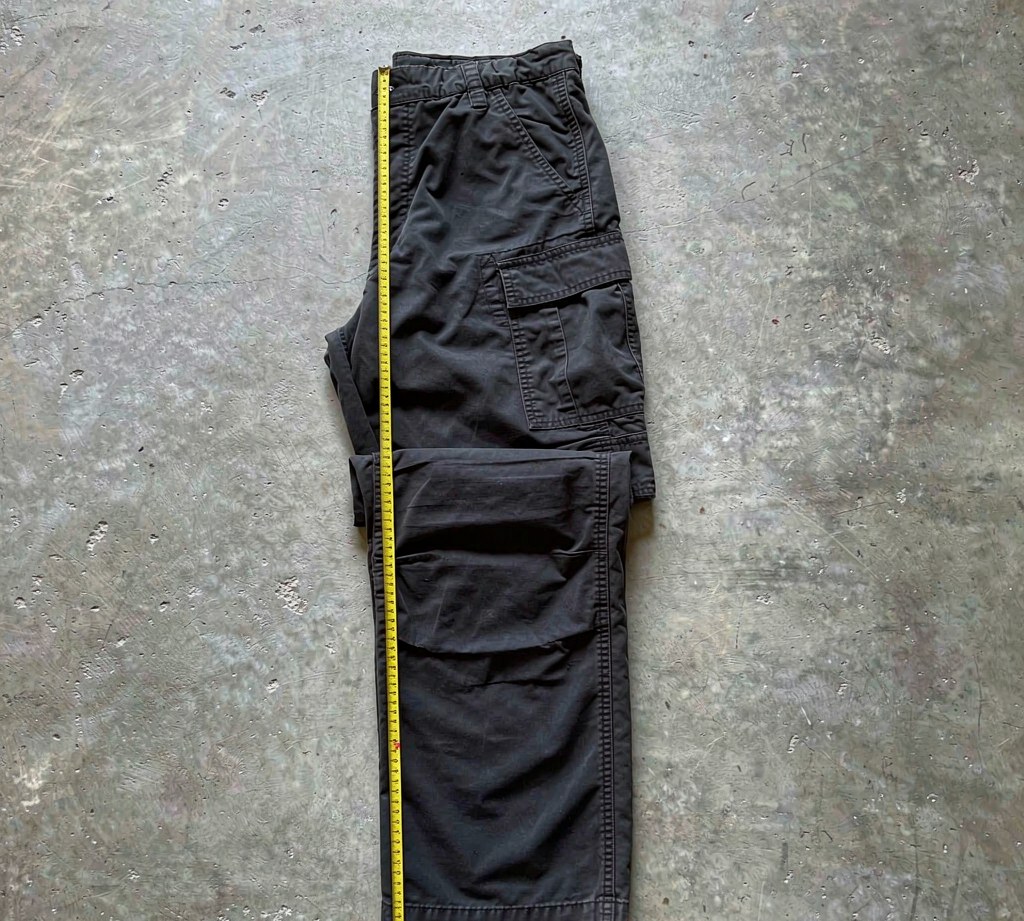
The tape belongs in the frame.
Every flat photo we send carries the tape at the point that was measured. If a buyer questions a number three weeks later, the evidence is still sitting in the file. Numbers without photos get argued about. Photos with a tape get checked.
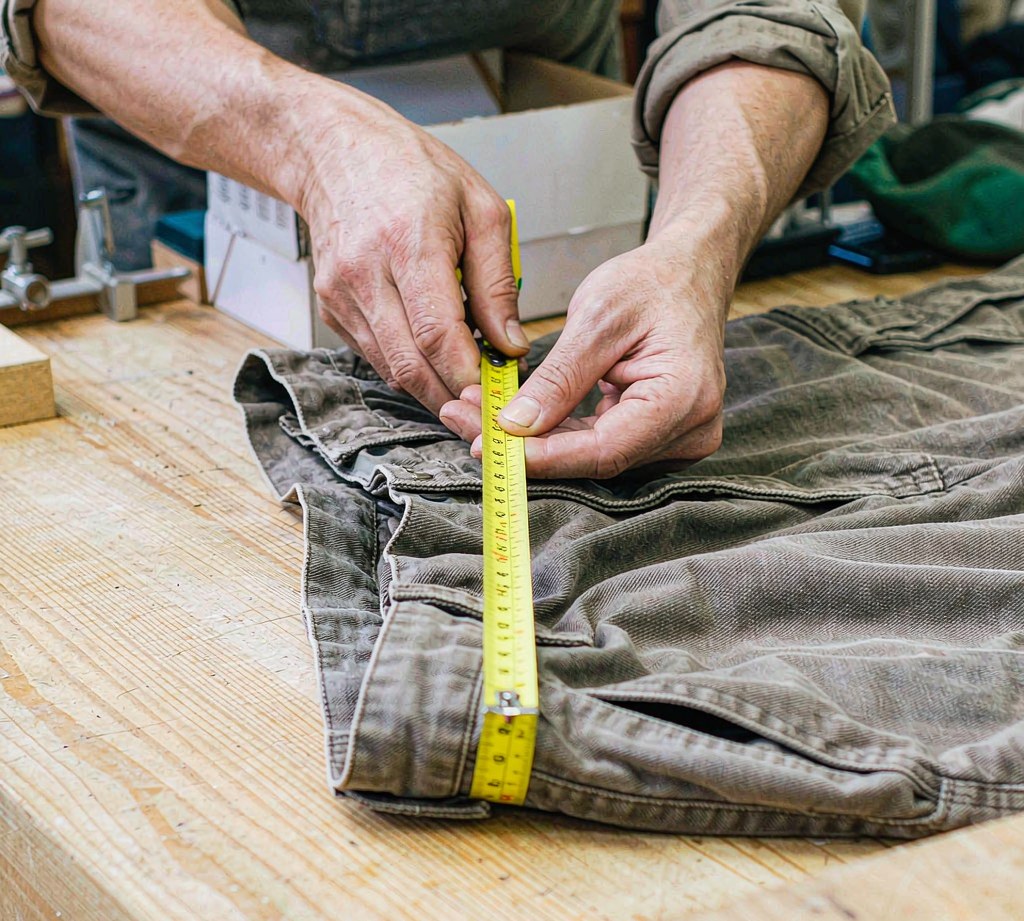
Measure at the same distance from the crotch, every size.
The most common failure in a size set report is comparing thigh numbers taken at different points. One sampler measures at the widest point of the leg, another drops two and a half centimetres from the crotch seam first, and the same pant gains a centimetre between two hands. Fix the reference points on the sheet before the first tape touches cloth: waist relaxed and flat, hip at a set drop below the waistband, thigh at a fixed distance from the crotch, inseam along the inside. Same points, three sizes, one sheet.
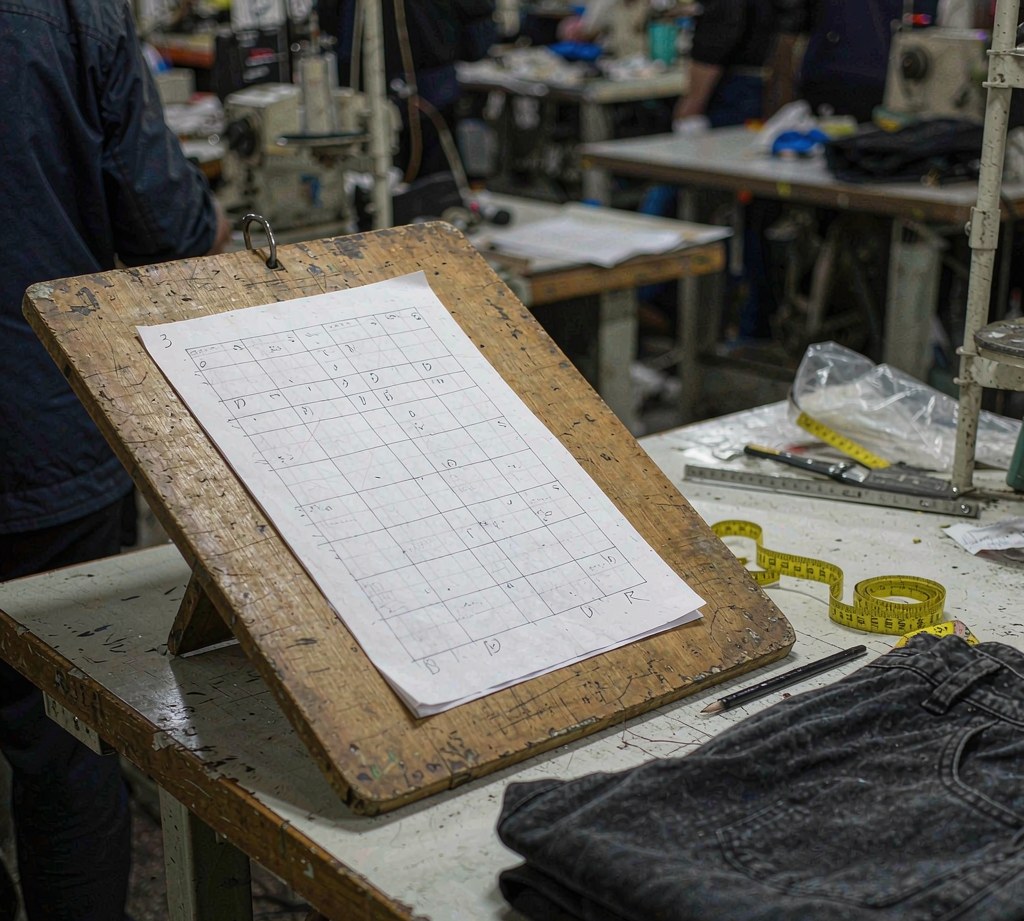
Wash one of the three. Then measure again.
Heavy washed twill moves in the laundry. The wash test on our size set fabric follows the AATCC TM135 routine, which marks benchmarks on a sample, pushes it through three laundering cycles and measures the distance again; the current edition standardizes four wash temperatures, three agitation levels and four drying procedures. A size set approved before washing can lose around two centimetres of inseam after a home wash. So we measure after.
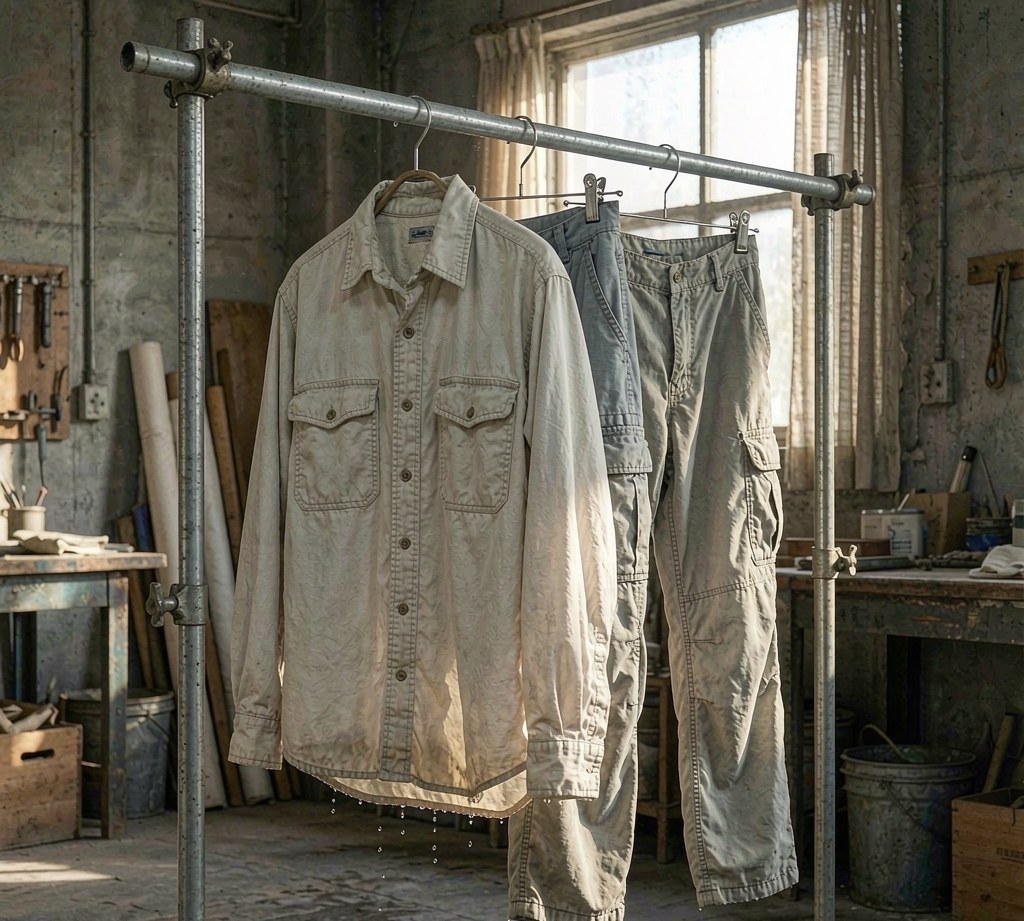
One size fails, the run stops.
At our workshop in Shishi, a size set with a single size out of tolerance does not get signed around. The pattern gets corrected, a fresh size gets cut, and the buyer receives the new numbers measured at the same points. A tolerance of one centimetre on the main points is a common starting point on heavy washed twill, but whatever you agree, write it on the sheet next to the numbers. It costs two or three days. Opening five thousand pairs wrong costs a season. The same routine runs through every pant we cut, from the camo cargo jogger to the multi-pocket military overalls.
Key takeaways
- A size set covers three sizes from your ordered range: smallest, base and largest.
- Flat photos with the tape in the frame can be checked later; on-body photos cannot.
- Fix the measuring points on paper before the first measurement and hold them for every size.
- Wash once and measure again: washed heavy twill can lose around two centimetres of inseam.
FAQ
Do I need both a fit sample and a size set?
Yes, because they answer different questions. The fit sample tells you whether the design works on a body. The size set tells you whether the grading holds across the range you are actually ordering. Approving one does not cover the other.
What tolerance should a size set meet?
It depends on the fabric. On heavy washed twill, one centimetre on the main points is a workable starting point, and shirting usually runs tighter. The exact number matters less than writing it on the approval sheet before bulk cutting starts.
A size set is a promise between three garments. Photograph it flat, measure it at fixed points, wash it once and sign it slowly. Then cut.
Want a size set you can actually check? Contact us for wholesale pricing — we send flat photos with the tape in every frame.