
Enzyme wash, stone wash, or garment dye: what you are actually paying for
Two pants can sit side by side on a shelf, both labeled “washed”, and one costs twice as much as the other. Most buyers cannot see why. The price gap comes from the wash recipe, how long the garment sits in the drum, and how much fabric weight is lost along the way. If you stock workwear or denim, knowing the three main finishes helps you price your line right and answer customer questions without guessing. Here is how we run each one in our Shishi workshop.
Enzyme wash is the quiet workhorse
Enzyme wash uses cellulase to eat away the tiny surface fibers that make new cotton feel stiff. We run our cargo pants at around 45°C for 35 to 40 minutes with a mid-range enzyme dose. The fabric comes out soft, the color stays close to the original, and the stitching does not lose strength. It is the finish we put on our multi-pocket ripstop cargo pants because it makes them wearable on day one without turning them into a fashion relic.
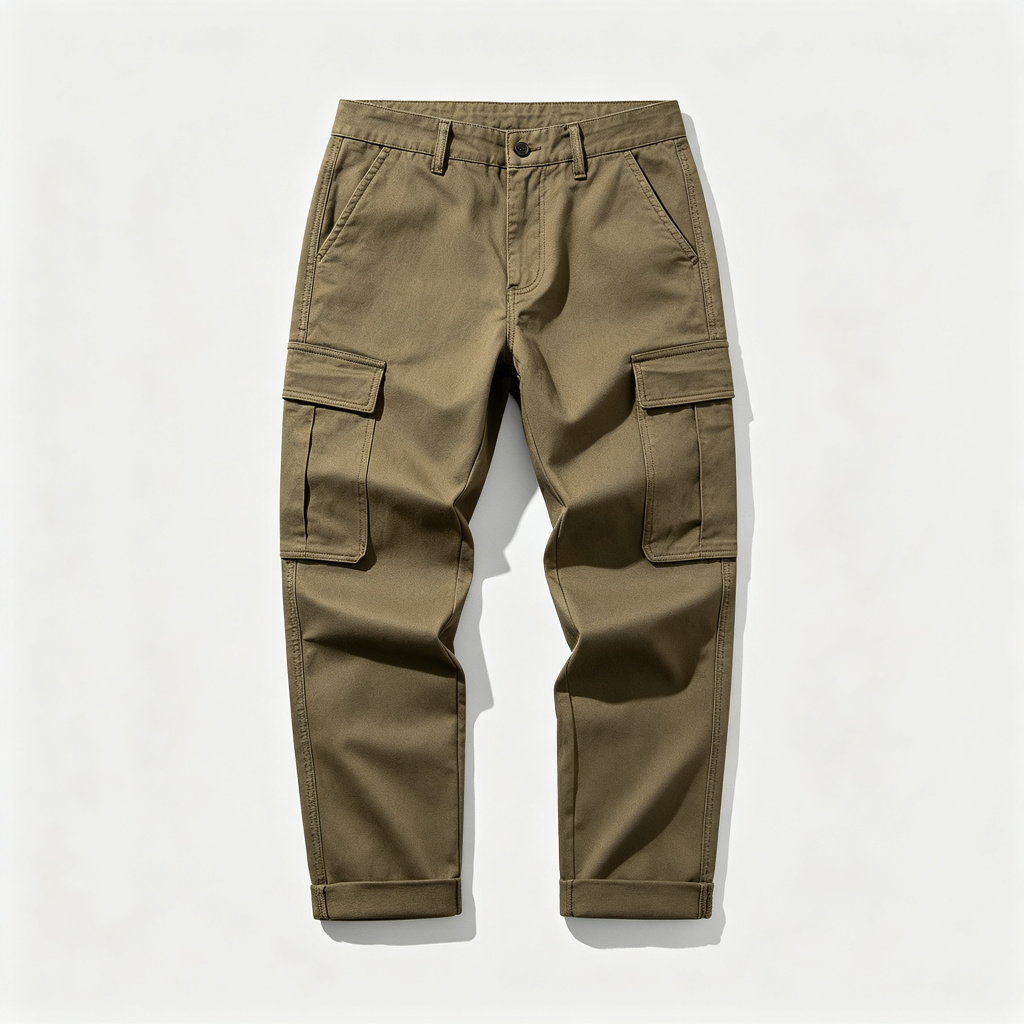
The downside is small. You lose about two to three percent fabric weight, so we adjust the cut slightly heavier to keep the finished garment weight where the buyer expects it.
Stone wash buys the aged look and pays for it in weight
Stone wash throws pumice stones into the drum with the garments. The stones grind the surface, so the fade looks real instead of sprayed on. It works well on denim meant to look two years old out of the box. The tradeoff is honest: a heavy stone wash can strip five to eight percent of the fabric weight, and the drum walls take a beating from the grit. We reserve it for styles where the lived-in look drives the sale, and we re-check seam strength on every lot after washing, not just on the first sample.

Garment dye is how you control color instead of inheriting it
Garment dye colors the finished pants, not the rolls of fabric. This matters when a buyer wants a shade matched to their own swatch card. We cut test panels first, dye those, and hold them next to the buyer’s swatch under both daylight and store lighting. Only when the panel is signed off does the full run go in. The method also shrinks the garment slightly, which we build into the pattern from the start, so a 32 inseam stays a 32 after dyeing.
Because the dye goes on after sewing, every seam takes the color evenly. That is something piece-dyed fabric can never fully promise.
We test the wash before the whole run goes in the drum
Whatever the finish, the order is the same. We launder samples three times, measure shrinkage and color loss, then pull the seams apart on the machines to make sure nothing shifted. Only after the sample batch passes do we commit the bulk. It costs a day, and it saves reworking a thousand pairs.
If you want to compare finishes on actual garments, the full shop catalog lists which wash each style carries, including our stretch slim leg trousers in a light enzyme finish.
The short version
Enzyme wash softens cheaply, stone wash ages visibly and costs fabric weight, garment dye gives you control over color at the cost of a longer sampling step. Pick the finish that matches what your customer is actually buying: comfort, character, or color.
Contact us for wholesale pricing if you want wash samples from our next run.