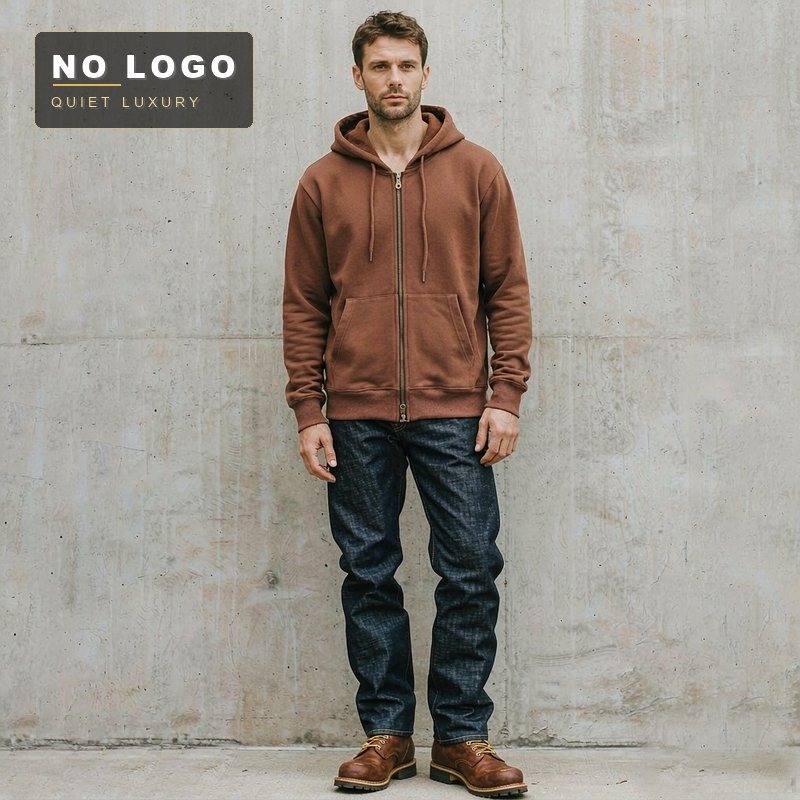
How to Spot a Good Zipper: The Stamp, the Pull, the TeethOctober 6th, 2026

Brand stamping on the slider back and the teeth, a smooth pull, and straight aligned teeth. Three checks that tell you a zipper will outlast the garment.
Read moreLoading

Brand stamping on the slider back and the teeth, a smooth pull, and straight aligned teeth. Three checks that tell you a zipper will outlast the garment.
Read moreOxford and seersucker resist wrinkles better than smooth poplin. Here is why the weave matters more than the price tag.
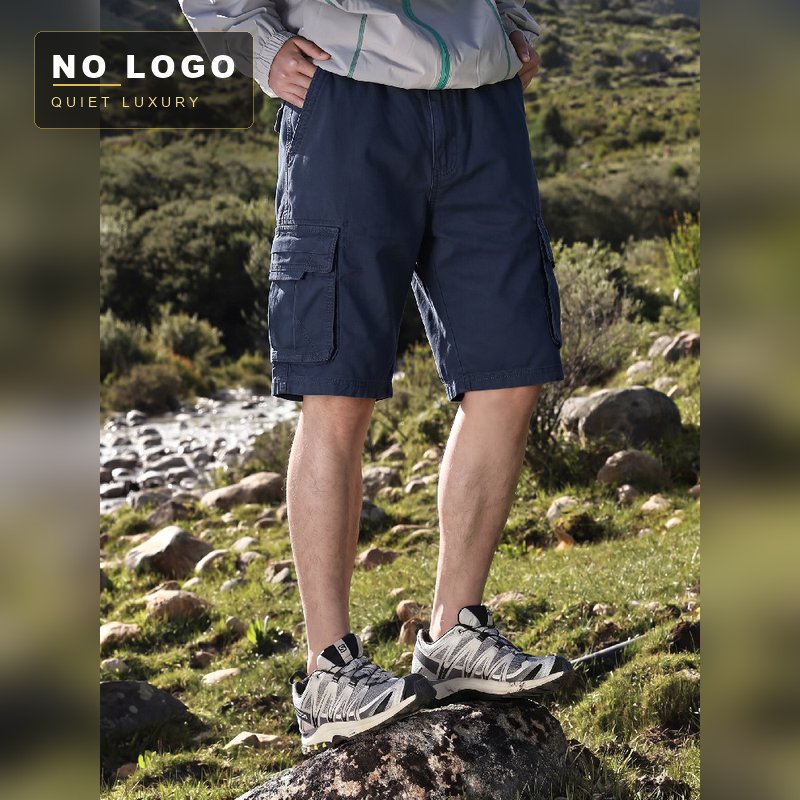
Read moreChino twill breathes well in city heat, ripstop cargo shorts breathe fine and take abuse outdoors. The real choice is dress code, not fabric.
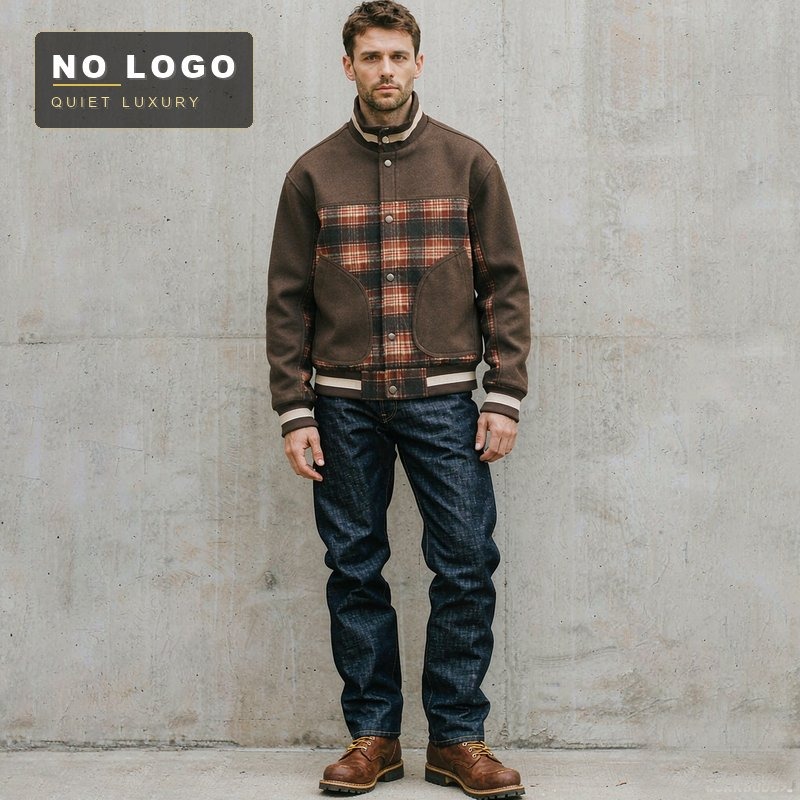
Read moreA 400–550g garment-washed cotton jacket covers most autumn days. Where the weight numbers come from, and when to go heavier.
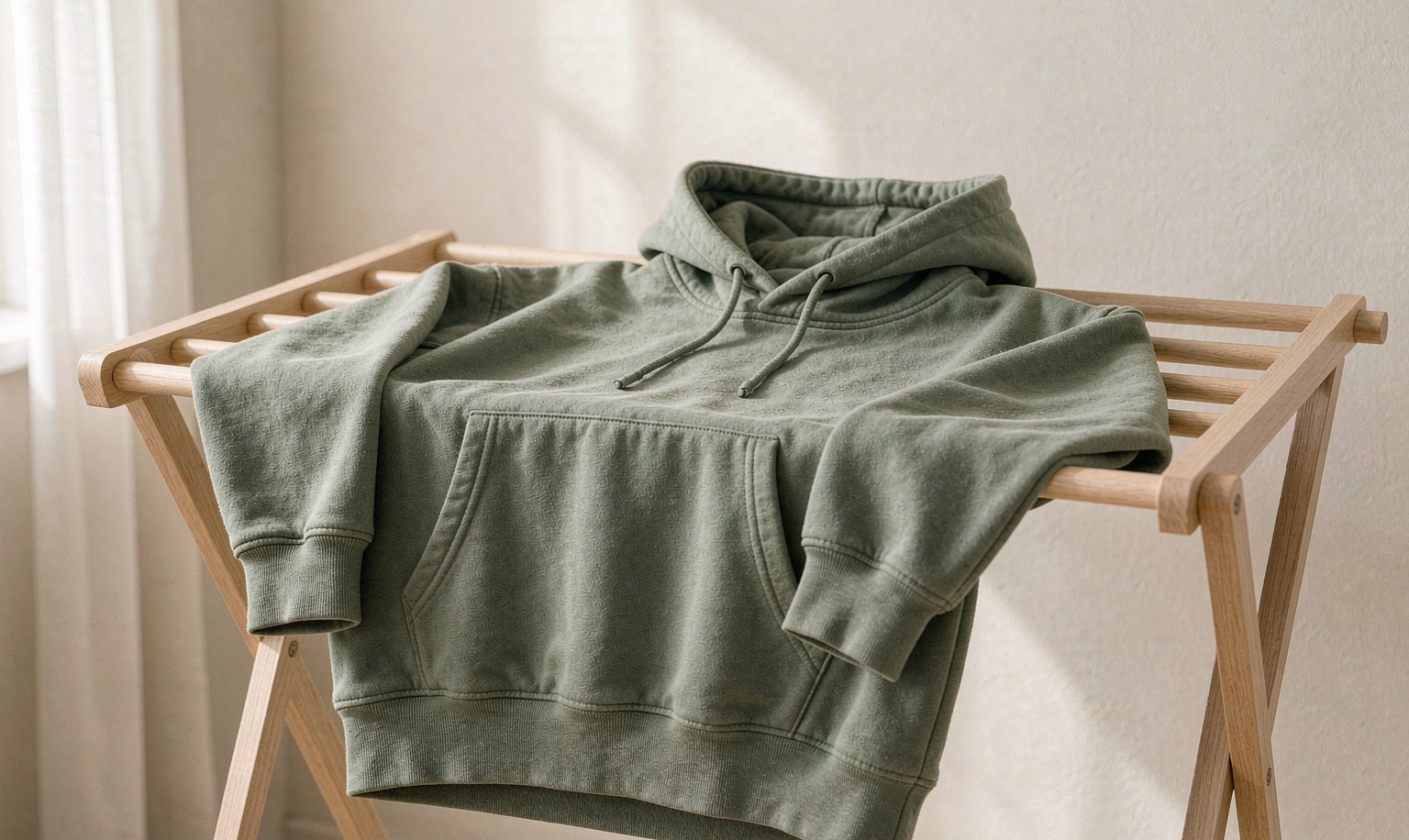
Read moreHeat shrinks a hoodie, not water. Wash cold, turn it inside out, and lay it flat — the full routine, why it works, and how to rescue one that already shrank.
Read morePre-shrunk knits, garment-washed cotton, and woven twill hold their shape wash after wash. Here is what to look for before you buy.
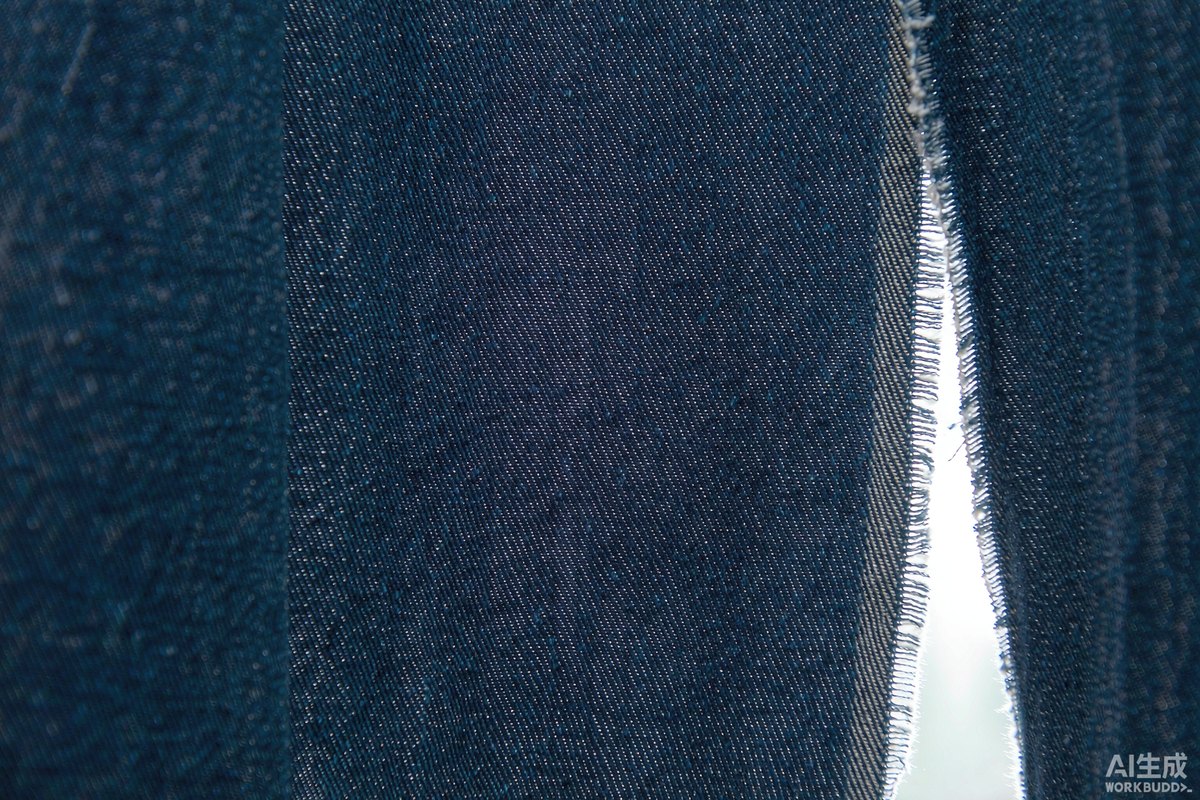
Read moreWeight, weave, and the selvedge edge tell you almost everything about denim quality — here is how to check each one before you buy.
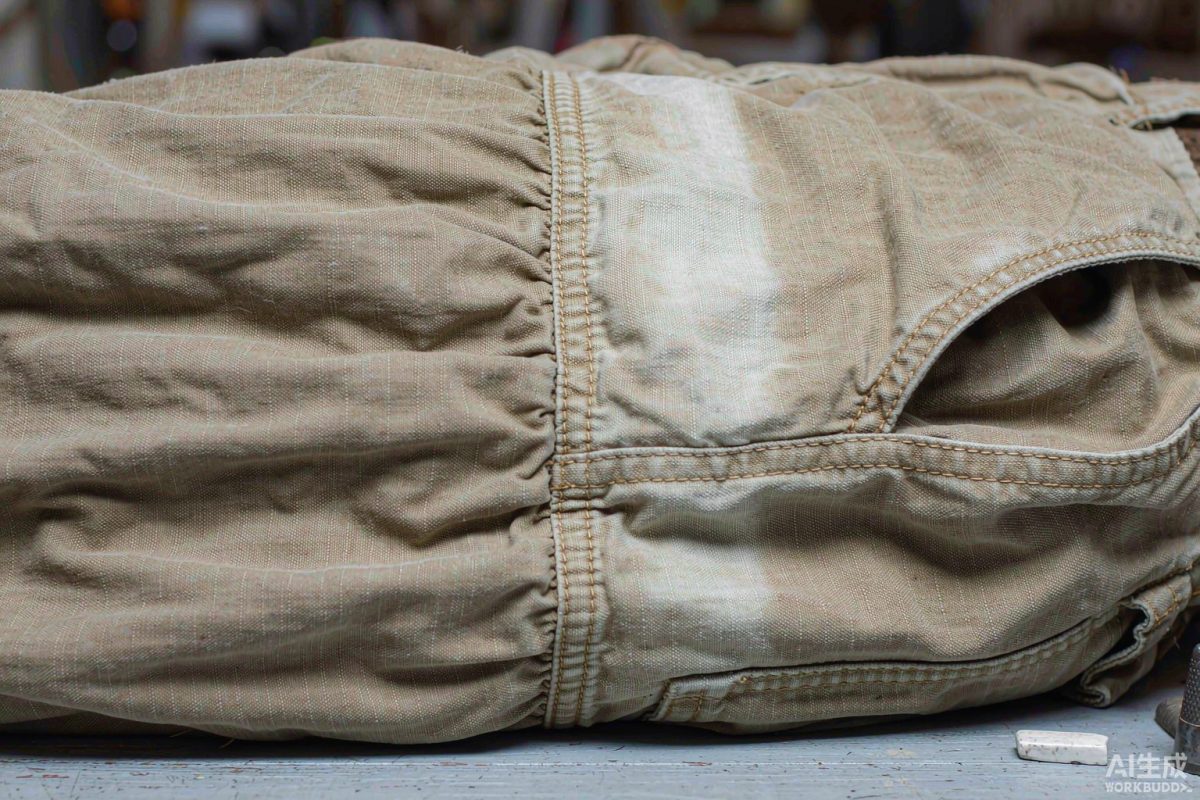
Read moreRipstop cotton and heavy cotton twill are the most durable fabrics for cargo pants. Ripstop’s crosshatch of thicker threads stops a small tear from spreading, while heavy twill shrugs off the abrasion that thins out knees and pocket edges. If a cargo pocket has ever blown out on you after one season, the fabric or the stitching was usually the reason. This guide shows what to check before you order your next pair. Ripstop: the grid that stops a tear Ripstop looks plain at first, but run your thumb across it and you feel a subtle grid. Thicker threads are woven into the base fabric at regular intervals, both across and down. When something sharp snags the cloth, the tear hits one of those heavy threads and stops there instead of running across the whole panel. The weave was developed for military field gear, which is why so many cargo and tactical pants borrow it. If you kneel in your pants, hike in them, or haul gear in and out of pockets all day, ripstop earns its keep. The trade-off is a faint grid texture up close; most people never notice it once…
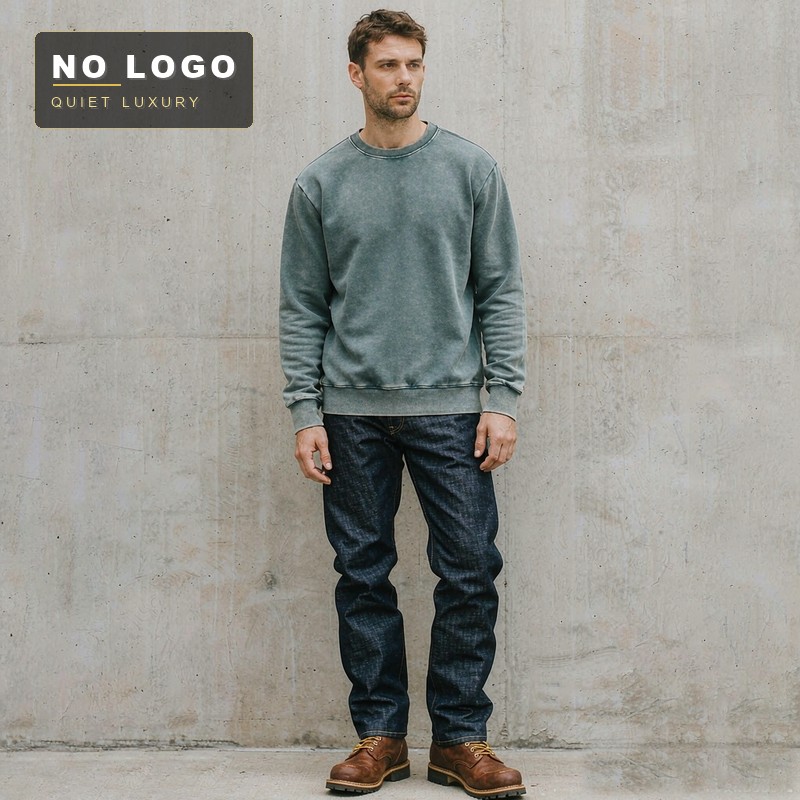
Read moreNo-logo men’s clothing means garments with zero brand markings: no chest prints, no embroidered logos, no woven brand label inside the collar. A small size-and-care tag stays, because washing instructions have to live somewhere. Everything else you see is fabric, stitching and fit. Below we break down what counts as no-logo, what you are actually paying for when the logo is gone, and which pieces we make this way in our own workshop. What counts as no-logo, and what doesn’t A garment is no-logo when the brand appears nowhere on it. No screen print on the chest, no embroidery of a name, no woven label sewn into the neckline. The tag with size and care instructions stays, and it stays small. Hardware is the edge case. A zipper pull often carries the stamp of the company that made the zipper. Our pieces use SBS zippers, so you may see an SBS mark on the slider. That is a component mark, not a clothing brand. If a mark tells you who made the zipper, it is quality information. If it tells you who paid for the ad campaign, that is exactly what no-logo removes.…
Read moreThe best T-shirt fabric for everyday wear is combed cotton in the 220–260 GSM range — heavy enough to keep its shape, light enough to breathe. Anything under 180 GSM twists at the hem, turns see-through after a few washes, and fades fast. The annoying part is that most product pages never tell you the fabric weight, so you end up guessing from photos. This guide breaks down the three things that actually decide how a tee ages — combing, GSM, and collar construction — with real examples from our own range. Combed cotton vs carded cotton: what combing actually does Both start as the same cotton yarn. The difference is one extra step: combed cotton passes through a fine comb that pulls out the short, loose fibers and leaves the long ones behind. That is why a combed tee feels smoother against the skin and stops pilling in the spots that rub — under the arms, at the seat of a backpack strap, along the cuff. Carded cotton skips this step. It is cheaper, and you can spot it in the store: a slightly fuzzy surface, little fiber balls after three or…
Read more