
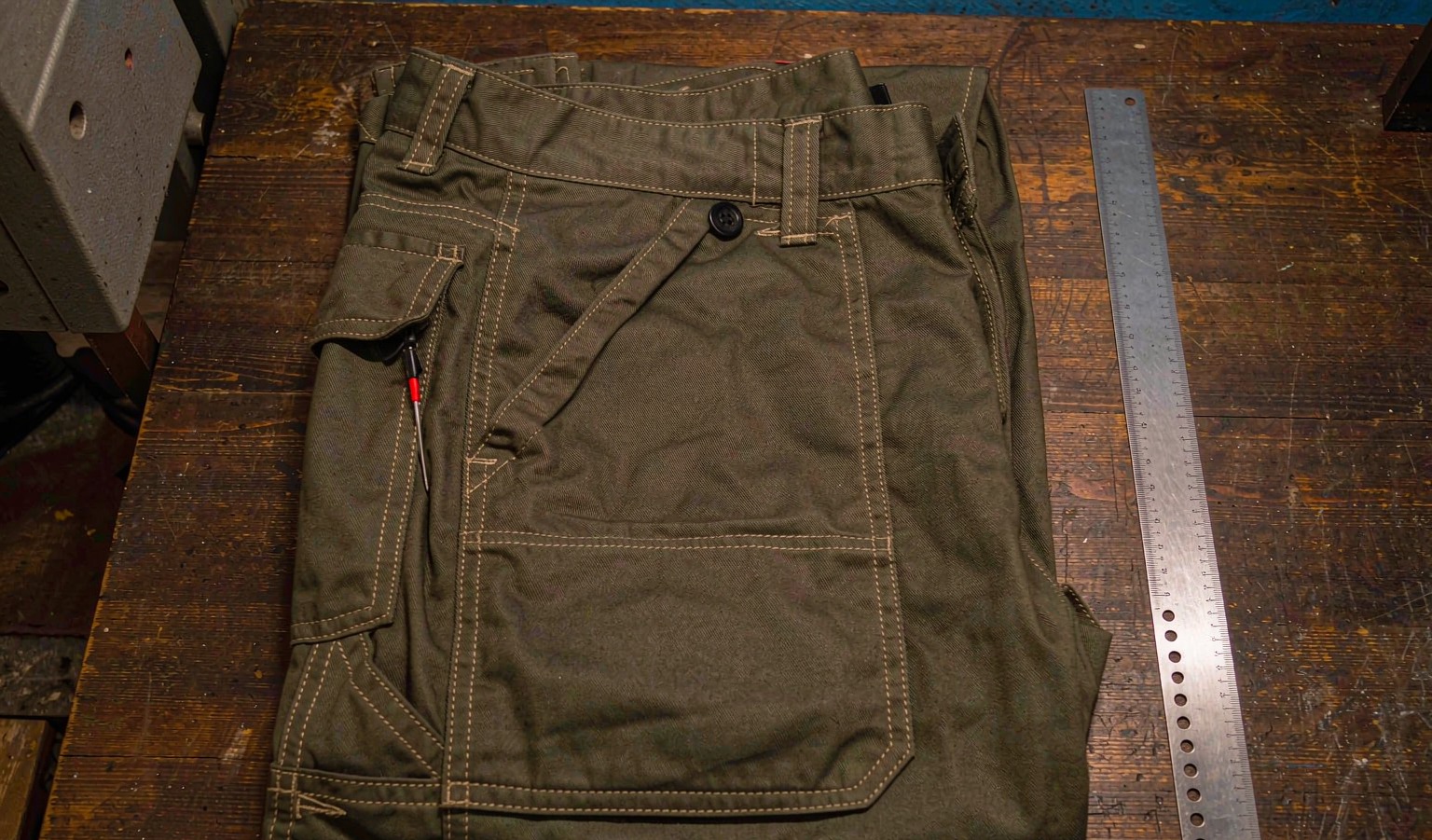
What Ten Stitches to the Inch Buys That Six Does Not
Count the stitches along the outseam of a cheap pair of trousers and you will get five or six to the inch. Count the same inch on work pants built to be worn hard and it holds nine or ten. That number, stitches per inch, is the fastest honest measure of a seam. Stitch density, counted in stitches per inch or SPI, is one of the factors ASTM D6193, the standard practice for stitches and seams, lists for seam strength, next to seam type, stitch type, thread and tension.
If a seam has ever opened on you after two months, or wrinkled along a pocket bag, you have already felt what the count does. Cloth and thread get all the attention; the count is the part nobody prints on a label, and it decides whether a seam ages slowly or lets go first. Here is the whole argument on one table, then where each side wins, and a way to count your own seams in a minute.
One table settles the argument: the stitch count ranges
| Stitches per inch | Where you meet it | What it does well | Where it struggles |
|---|---|---|---|
| 4 to 5 | Budget fast fashion, some pocket bags | Cheapest and quickest seam to run | Gaps open under load; cloth can slide between stitches |
| 6 to 7 | Most light summer trousers | Right for thin cloth, keeps cost down | Works loose on heavy twill |
| 8 to 10 | Work trousers, jeans, chore jackets | The workwear range; holds when loaded | Costs more machine time |
| 11 to 14 | Topstitching, pocket edges, belt loops | Detail rows that carry force too | Crowds and puckers thin cloth |
Two families of stitches do most of the holding in a pair of trousers: the lockstitch, class 300 in the ASTM D6193 classification, and the chainstitch, class 400. Both take a density setting, and the count you feel with a thumb is the same number on the machine dial.
Where six stitches to the inch wins
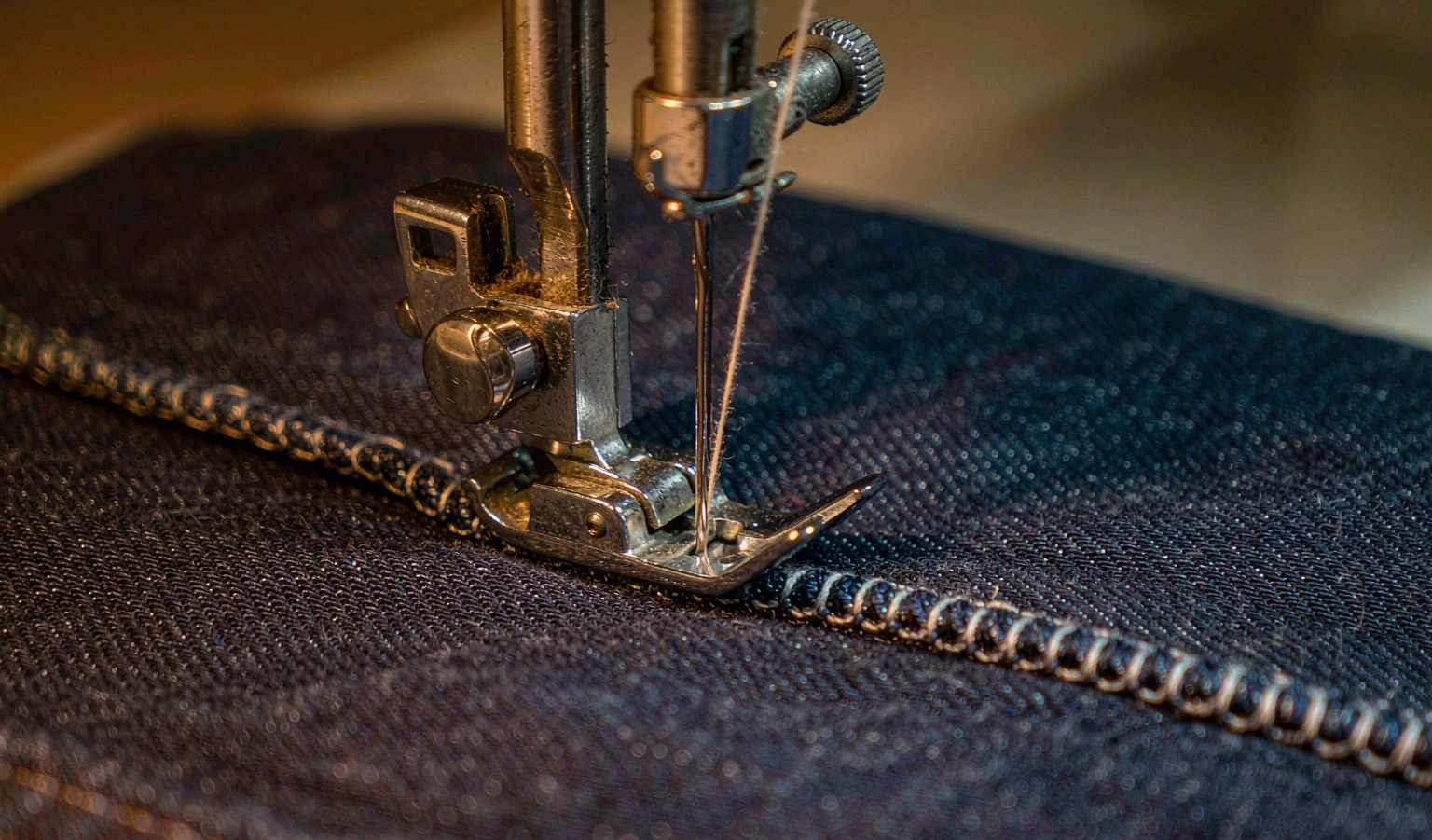
Six or seven is not a defect on the right cloth. On a light summer cotton the load per stitch is small, and a dense row of tight stitches does more harm than good: needle holes crowd together, the fabric puckers, and the seam looks tired before its time. A spare seam suits a thin cloth the way a light frame suits a light load.
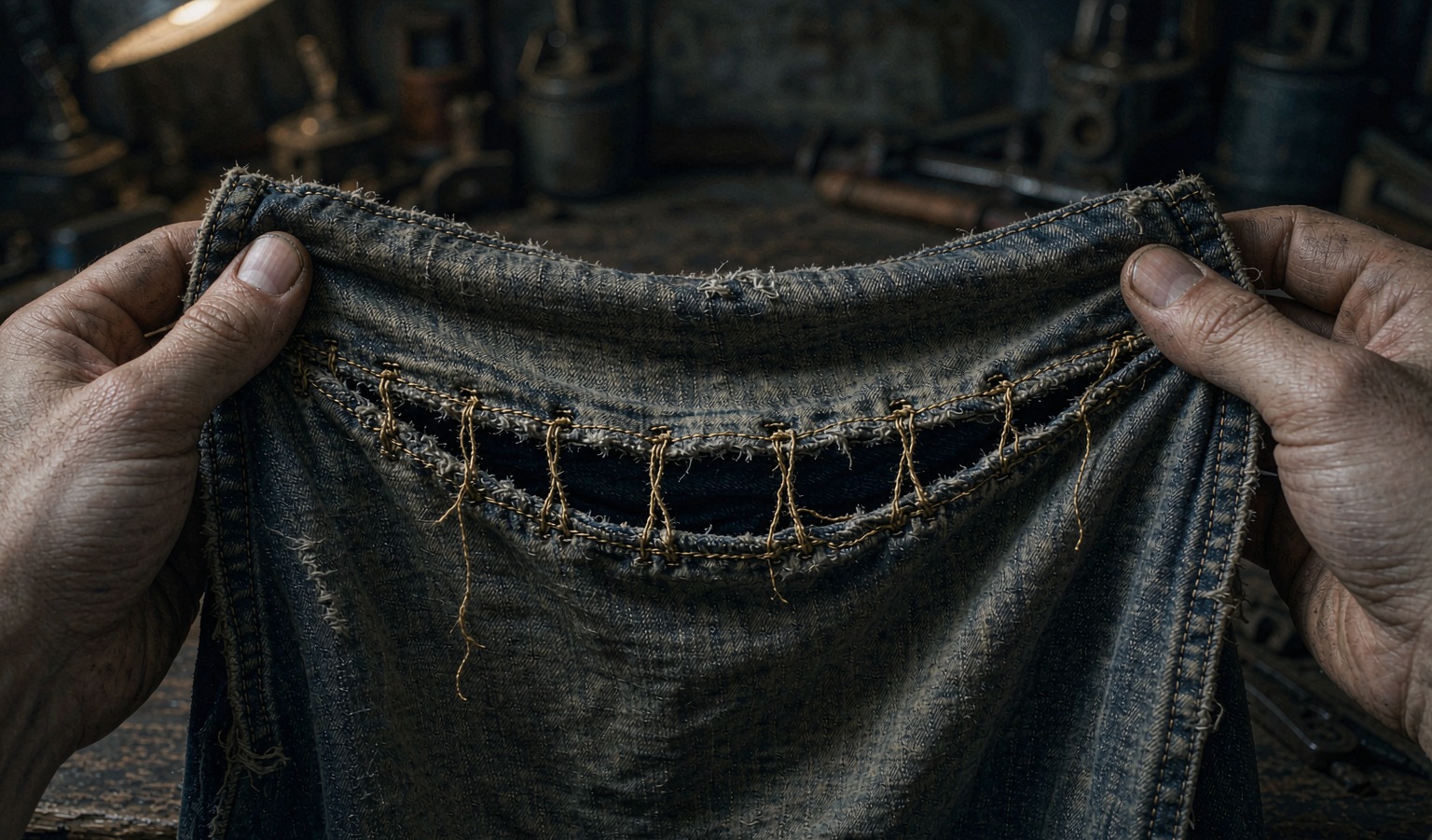
The trouble starts when the same count meets heavy twill. On thick cloth the stitches sit far apart, the fabric between them flexes with every squat and step, and the seam gradually gaps open. Tailors call it seam grinning: pull two layers apart gently and daylight shows between the stitches.
Where ten wins, and where more gets worse
On denim, canvas and the heavy washed twills that work trousers use, eight to ten stitches per inch on the main seams is the range that holds. Belt loops, pocket corners and crotch seams usually get denser rows, because those points carry the most force per centimetre of seam.
More is not always better, and the standard says so in its own dry way: the stitch density has to be chosen for the material, or the extra tension puckers the seam and weakens the cloth. Pack stitches too close into heavy fabric and you are really perforating it. A good seam is a balance of thread size, tension and count, not a maximum on any of them.
Count a seam yourself in one minute
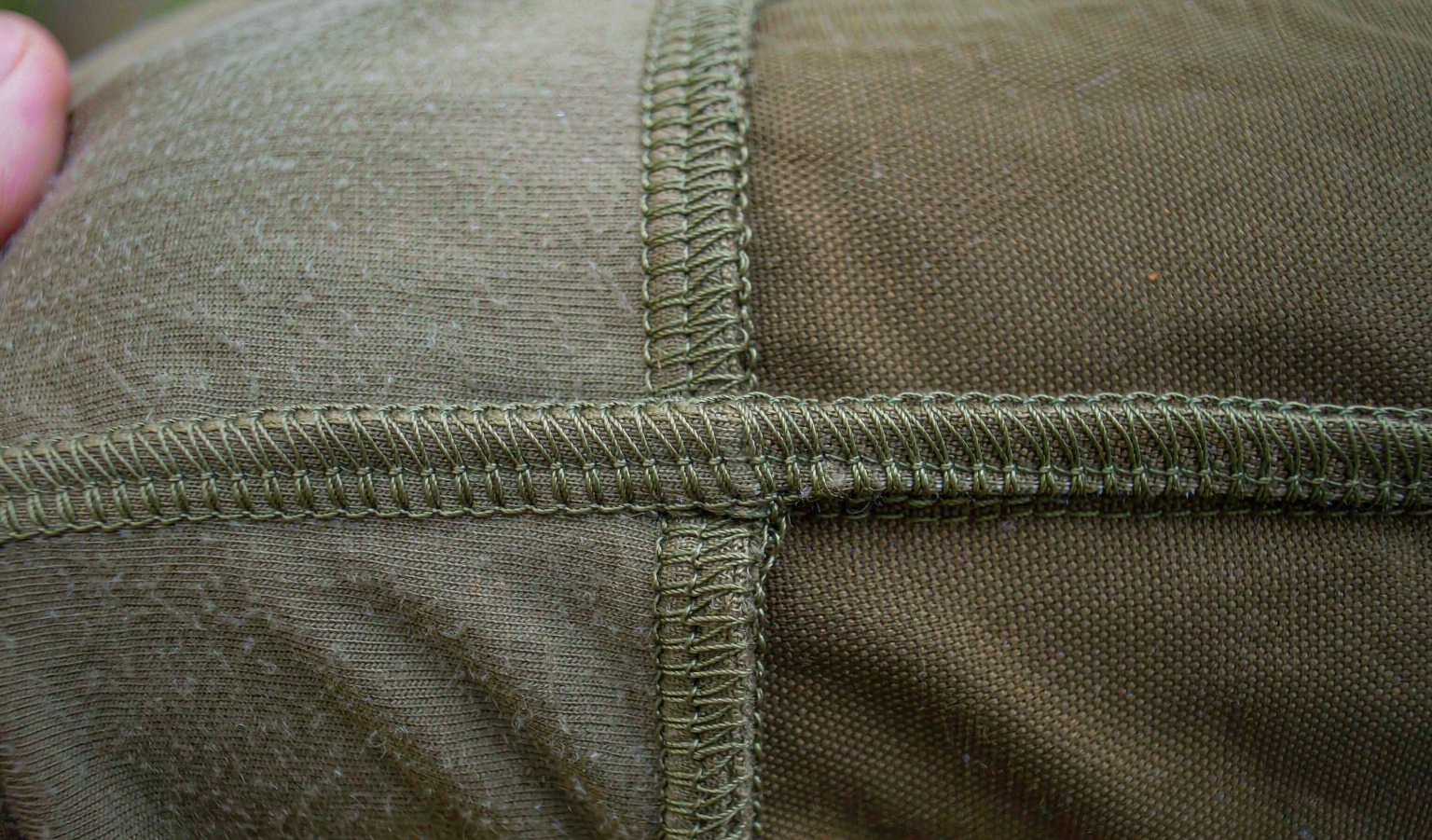
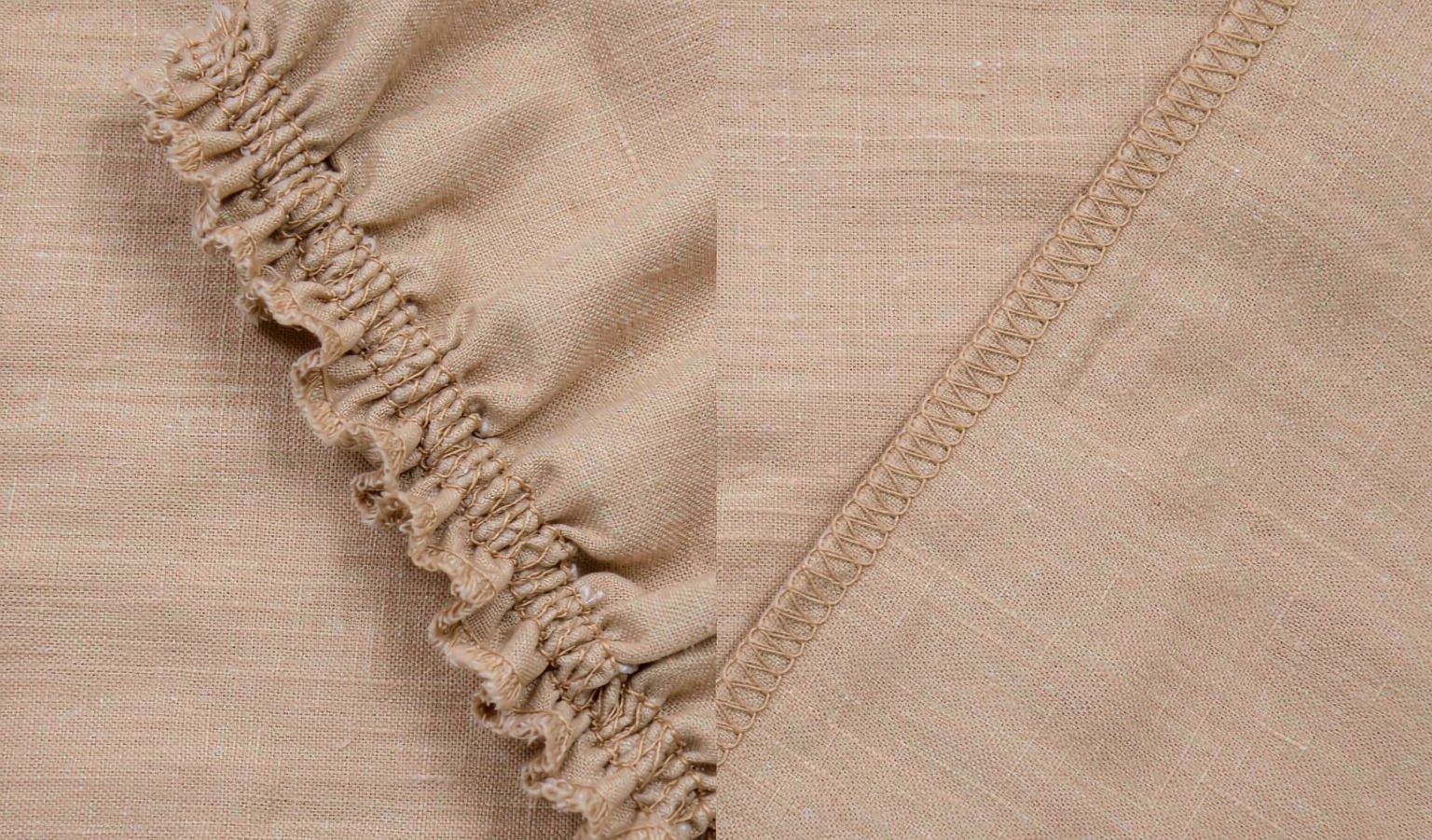
Lay the trousers flat, press a ruler against a straight run of seam and count the stitches between two marks, say the one inch or the two centimetre point. Check the outseam, the inseam and the seat seam, because factories sometimes spend the density where it shows. Then pull the seam gently with two thumbs: if gaps open before the cloth resists, the count was never the problem you thought you had.
A spare ruler and a minute of counting beat any product description. At BenClothing we would rather put the machine time into a denser seam than into another logo on a chest panel. If you are weighing the cloth itself next, read why heavier fabric costs more. The pairs in our range that sit on the dense side of the table, like the heavy washed blue-grey jeans and the washed camo cargo pants, are the ones we expect to see coming back for a second colour rather than a repair.
Key takeaways
- Stitches per inch is seam density; ASTM D6193 lists it among the factors that decide seam strength.
- Light fast-fashion seams often run 4 to 6 SPI, while work trousers and jeans mostly run 8 to 10.
- Sparse seams grin open on heavy cloth; dense seams pucker thin cloth.
- Lockstitch (class 300) and chainstitch (class 400) are the two stitch families doing the holding in trousers.
- One ruler, two marks and a minute tell you more about a seam than any product page.
FAQ
Does a higher stitch count always mean a better seam?
No. Density has to match the cloth and the load. Heavy twill wants 8 to 10 stitches per inch or more on the main seams, but the same density on a thin summer cotton puckers the fabric and weakens it. Thread size and tension matter as much as the count.
How many stitches per inch should work pants have?
A fair expectation is 8 to 10 stitches per inch on the main seams, with denser rows at belt loops, pocket corners and the crotch seam. Lighter garments can sit lower and still last, because the loads are smaller.
A seam is a row of decisions you can count. Ten stitches to the inch on heavy cloth is quiet, cheap insurance, and it is the first number we would check before arguing about anything printed on a hangtag.