
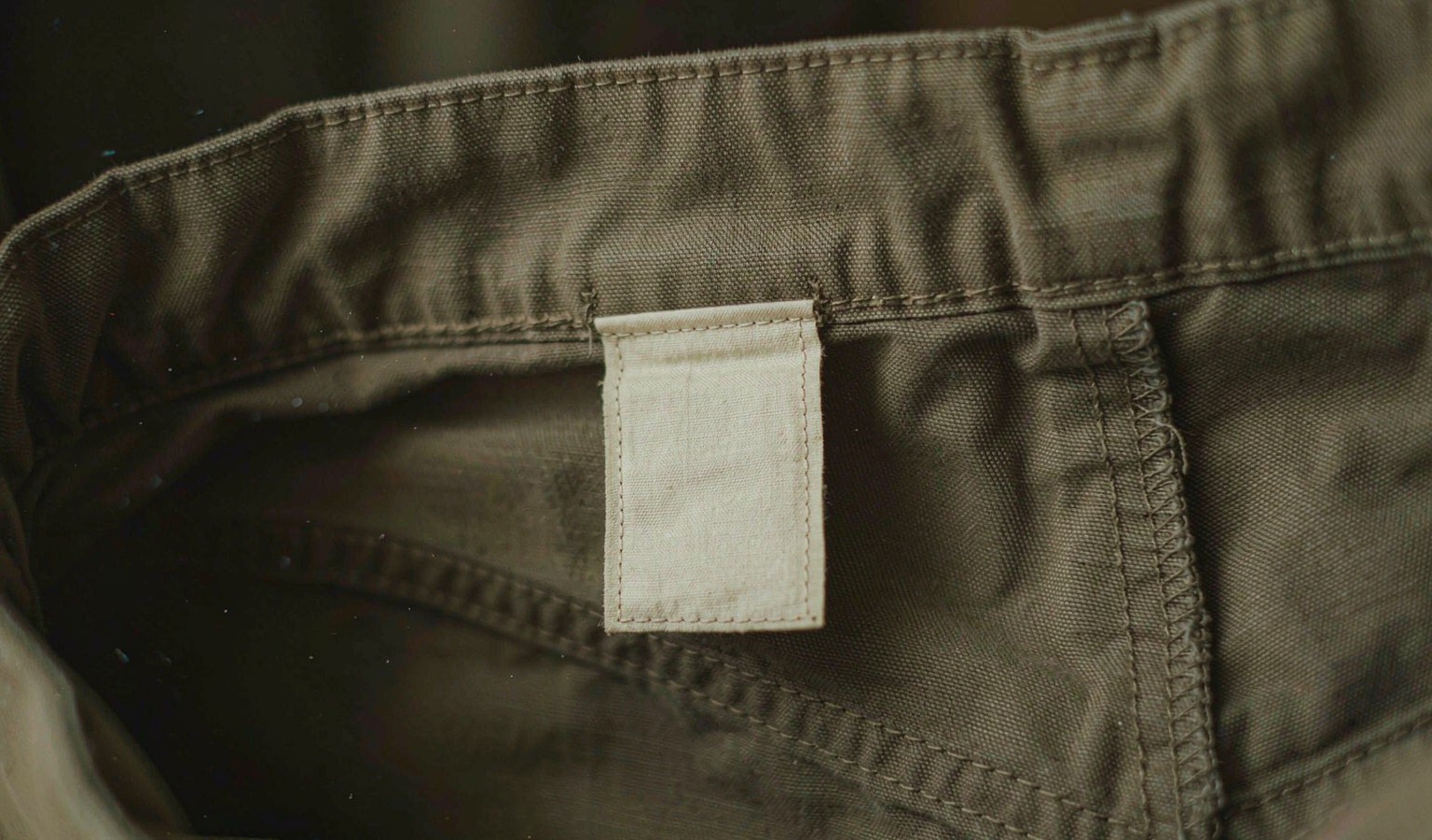
Nobody Tested That Care Label. The Complaint Arrives Six Weeks Later.
Care label instructions are a manufacturing deliverable, not a sticker added at packing. In the United States, 16 CFR 423.5 puts three duties on the seller before the product is sold, and one of them is having a reasonable basis for every instruction printed on that label.
The complaint usually arrives somewhere else. A buyer gets a message about a tinted white shirt, or a pair of heavy pants that came back shorter, and calls the factory. The factory says the label was correct. Both sides can be right about their own part, and nobody holds the file that connects the two. What follows walks that chain backwards, from a carton that comes back to the mill that set the number.
Week six: a carton comes back and the label is the exhibit
Returns are easy to argue about, because the garment has been worn and washed. The label is the one document that stayed with it the whole time. It is also the first thing a compliance reviewer asks for.
Under 16 CFR 423.5, a manufacturer or importer carries three duties, and all of them are owed before the sale: disclose the regular care the product needs, warn when the product cannot be cleaned by any procedure without being harmed, and warn when a procedure a consumer would reasonably follow could damage the product or other items cleaned with it. A defence assembled six weeks later is usually a retyped sentence from a style someone copied two seasons ago.
Week four: the damage was not to one garment, it was to the load
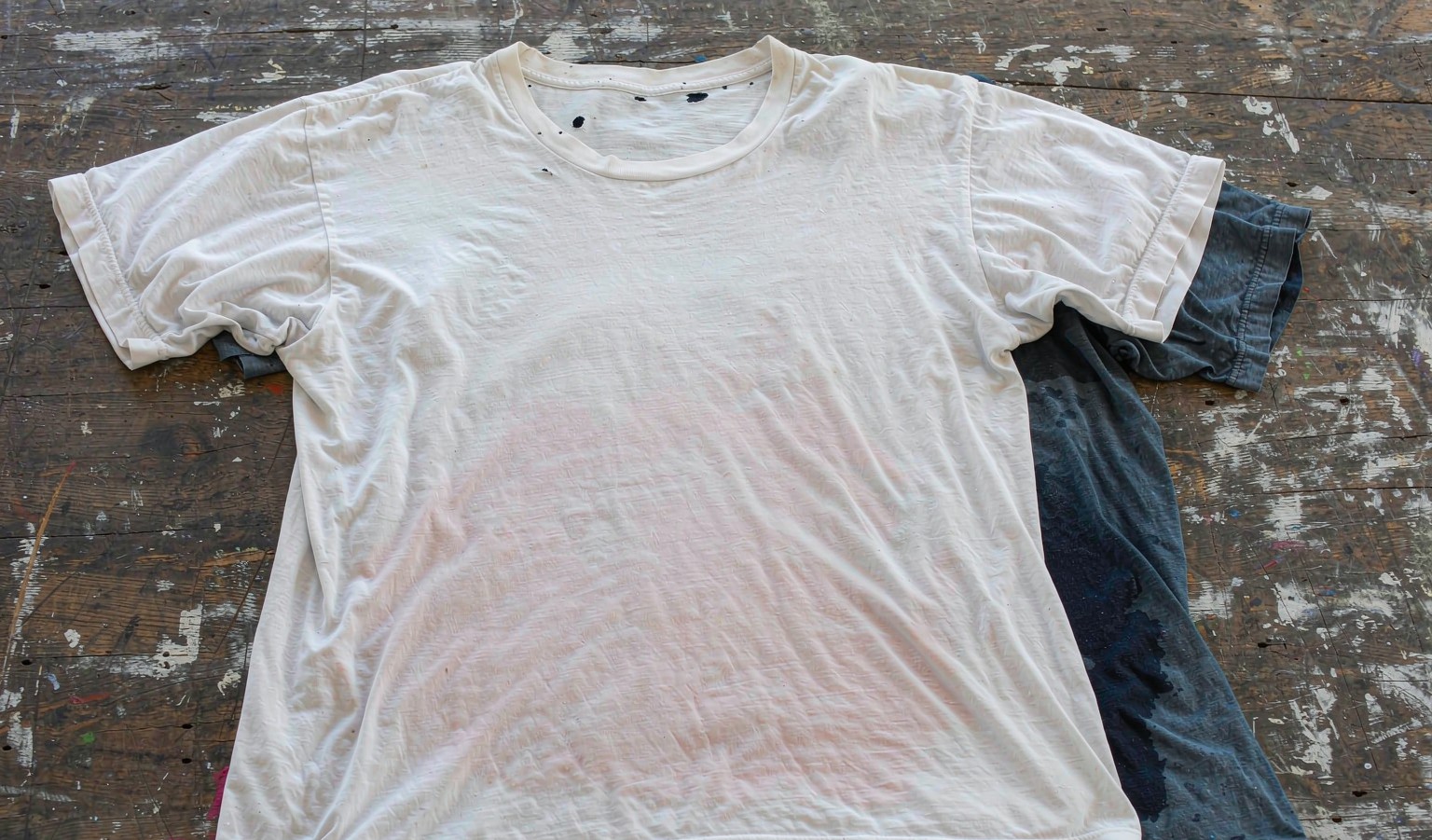
The failure that starts this kind of claim is often not on the garment carrying the label. A dark indigo piece releases dye into a drum it shares with pale shirts, and the shirts are what the customer photographs.
That third duty is written for this exact situation. It is a warning about harm to other items washed with the product, which turns a colour question into a labelling question. The evidence sits in a colour fastness result: how much dye leaves the fabric under a stated wash, and whether the adjacent fabric picks it up. Without that result, the label states what someone hoped, not what the fabric does.
Week two: the label was printed before anyone wrote a number behind it
By the time the panel is sewn in, the words are fixed at the printer and changing them costs a full reprint, so the decision was made earlier. Usually it was made by copying the previous style.
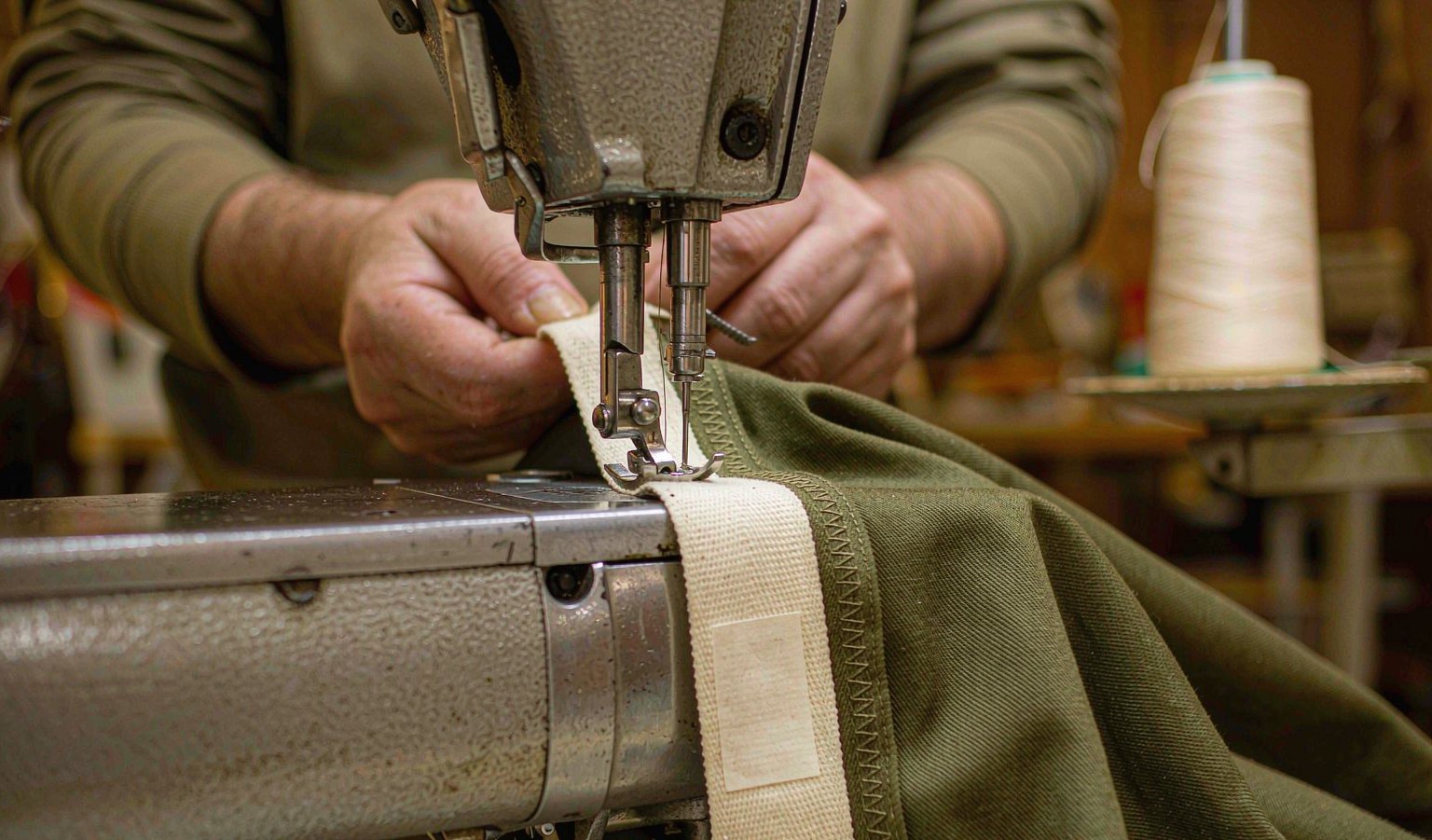
Two duties bite here. The care information has to be in a form the consumer can refer to throughout the useful life of the product, which is a statement about the label substrate and how it is attached, not about the wording. And if the pants are folded or bagged so a shopper cannot see or easily find the label, the care information has to appear on the outside of the package or on a hang tag as well.
This is the same distinction we make about spec writing in size grading: a chart shows numbers you already have, a spec fixes the number you promise.
The month before: the test file that has to exist before the PO
The reasonable basis duty is the one most often missing, because nothing forces a label to cite it. The file that answers it is short.
A home laundry dimensional change test on the actual fabric, run at the temperature the label claims, with the specimen measured before and after. A colour fastness result that reads staining of the adjacent fabric, not only the change in the sample. And an attachment check: sew the label on, wash it as instructed, then see whether it still reads. If the panel says 40 °C and the test ran at 60 °C, the file does not answer the question the rule asks.

The sample stage: two symbol systems that are not interchangeable
Draw the care panel once and reuse it in every market, and this is where it goes wrong. ISO 3758 is the code most of the trade works from, and the 2023 edition replaced the 2012 text. It sets five symbols in a fixed order, washing, bleaching, drying, ironing and professional care, with wash temperature printed as a number in °C: 30, 40, 60, 70 or 95. Industrial laundering sits in a separate standard, ISO 30023.
The US rule works differently. Symbols from ASTM D5489 are accepted in place of words, but the text route uses defined bands: cold to 86 °F, warm from 87 to 111 °F, hot from 112 to 145 °F. A European panel dropped onto a US label is not wrong because the symbols look unfamiliar. It is wrong because the temperature meaning moved.
At our workshop in Shishi we ask for the destination market on the first sample, not at the artwork stage, because the answer changes which test runs, not only which drawing gets used.
The mill: where the number actually comes from
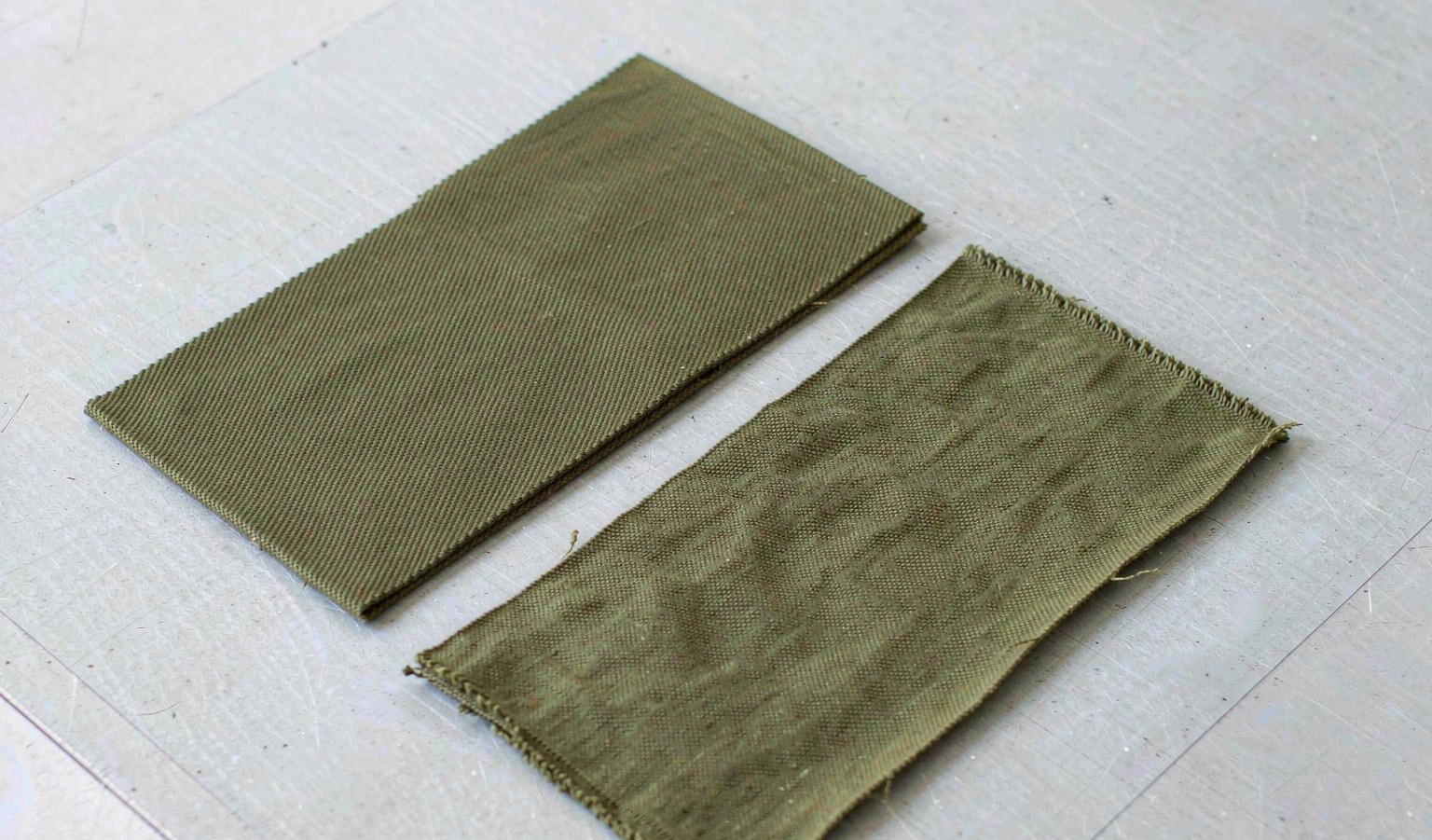
A washed fabric has already given up most of the shrink it was going to give. A loomstate roll has not. That difference decides whether “tumble dry low” is a promise the factory can keep or a sentence nobody checked, and it is settled long before anyone orders labels.
Which is why the care line belongs in the fabric specification, beside weight and width, with the test reference next to it. Writing the weight line properly is the same discipline: one number, one tolerance, one test that proves it. Heavy washed bottoms such as our washed cargo jogger live or die on that line, because the buyer’s customer will wash them the way the label says, once a week, for years.
If the fabric cannot pass at the temperature you want to print, there are two honest options. Change the fabric, or change the label. Guessing is the third option, and it is the one that brings the carton back.
Key takeaways
- Three duties in 16 CFR 423.5 are owed before the sale, and the reasonable basis duty follows the party whose name sits on the label.
- The rule warns about harm to other items in the same wash load, so a bleeding dark garment is a labelling problem even when that garment survives.
- ISO 3758:2023 sets five care symbols in a fixed order and prints wash temperature in °C: 30, 40, 60, 70 or 95.
- US temperature words carry defined bands: cold to 86 °F, warm 87 to 111 °F, hot 112 to 145 °F.
- If folding or a polybag hides the label, the care information also has to appear on the package or a hang tag.
FAQ
Can a US care label use symbols instead of words?
Yes. 16 CFR 423.8 accepts the care symbol system in ASTM D5489 in place of written instructions. The duties in 423.5 do not change, and the symbols still need a test result behind them.
Does the care label itself have to survive washing?
The rule requires care information in a form the consumer can refer to throughout the useful life of the product. A printed satin label that fades after ten washes fails that, even when the words on it were right on day one. Test the label, not only the fabric.
A care label is the last document a garment receives and the first one anyone reads when something goes wrong. Settle the number first, run the test at the temperature you intend to print, then draw the panel for the market you ship to.