
Freight Is Not the Reason Your Unit Cost Moved
A buyer called last month about a repeat order of canvas work pants priced above the first run. The first line he wanted to audit was ocean freight. It had not moved. Fabric weight, cutting waste and the wash recipe did most of the moving. Here is how we break down a workwear unit cost at BenClothing, line by line.
A quote without a weight basis cannot be compared
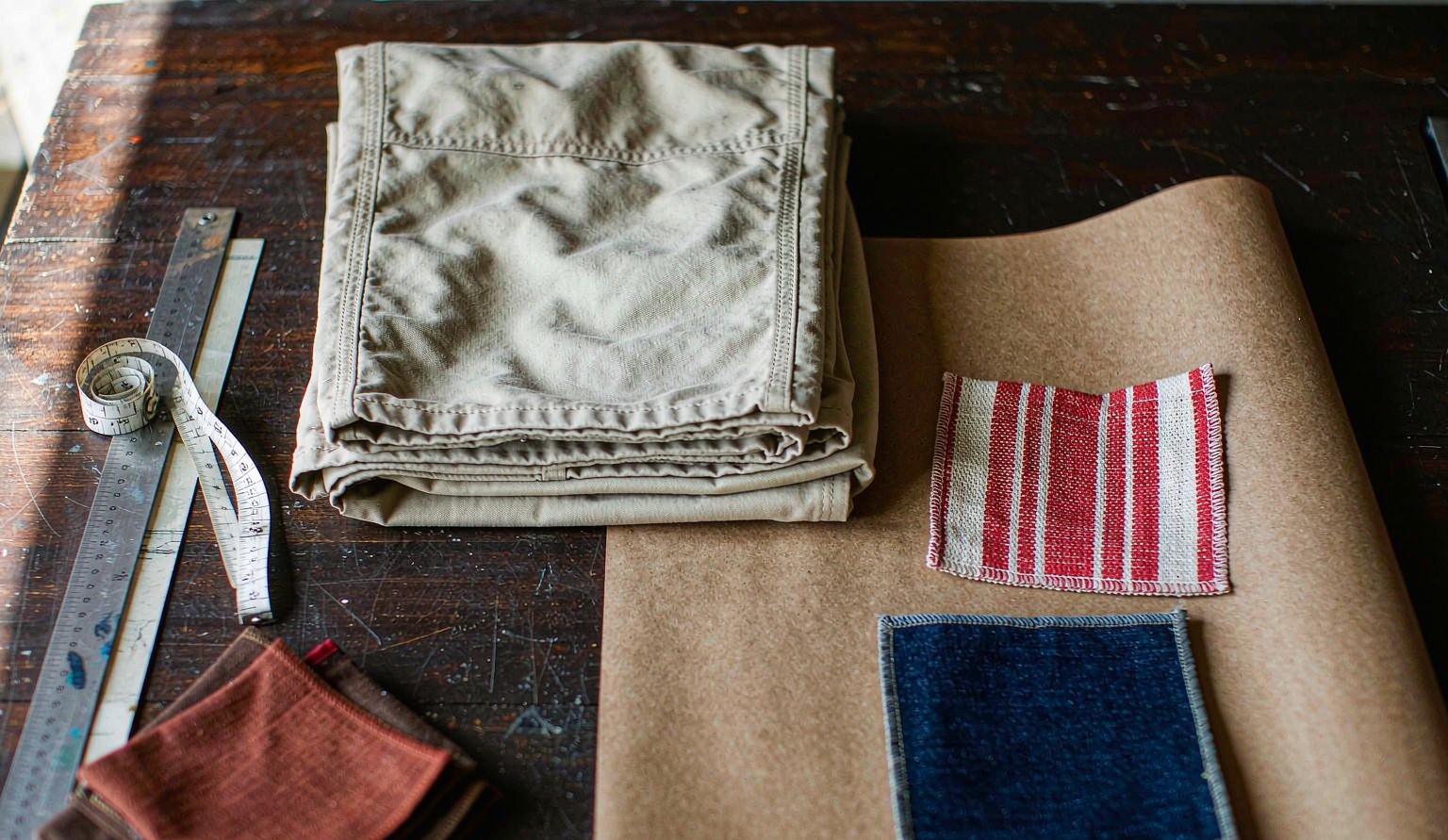
Fabric is bought by the kilogram, garments are costed by the metre, and the conversion decides your price. Weight is measured as mass per unit area under ISO 3801, the method behind the gsm figure. A kilogram of 380 gsm canvas at a 150 cm width yields about 1.75 metres. The same kilogram at 400 gsm yields about 1.67 metres. That is 5 percent less fabric per kilogram before the price per kilogram moves. Two quotes at different weights are not the same garment.
Marker waste is the number almost nobody asks for
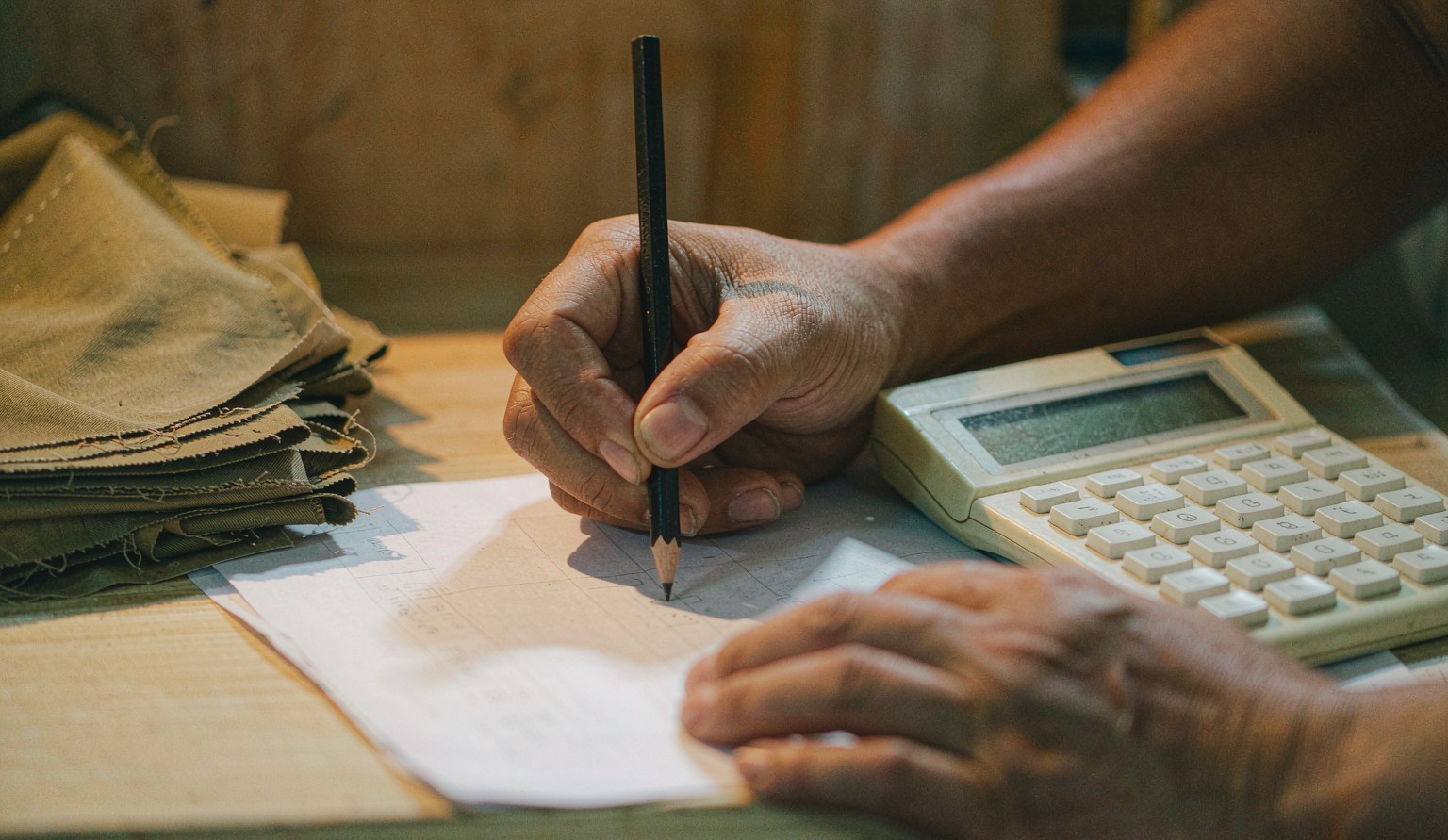
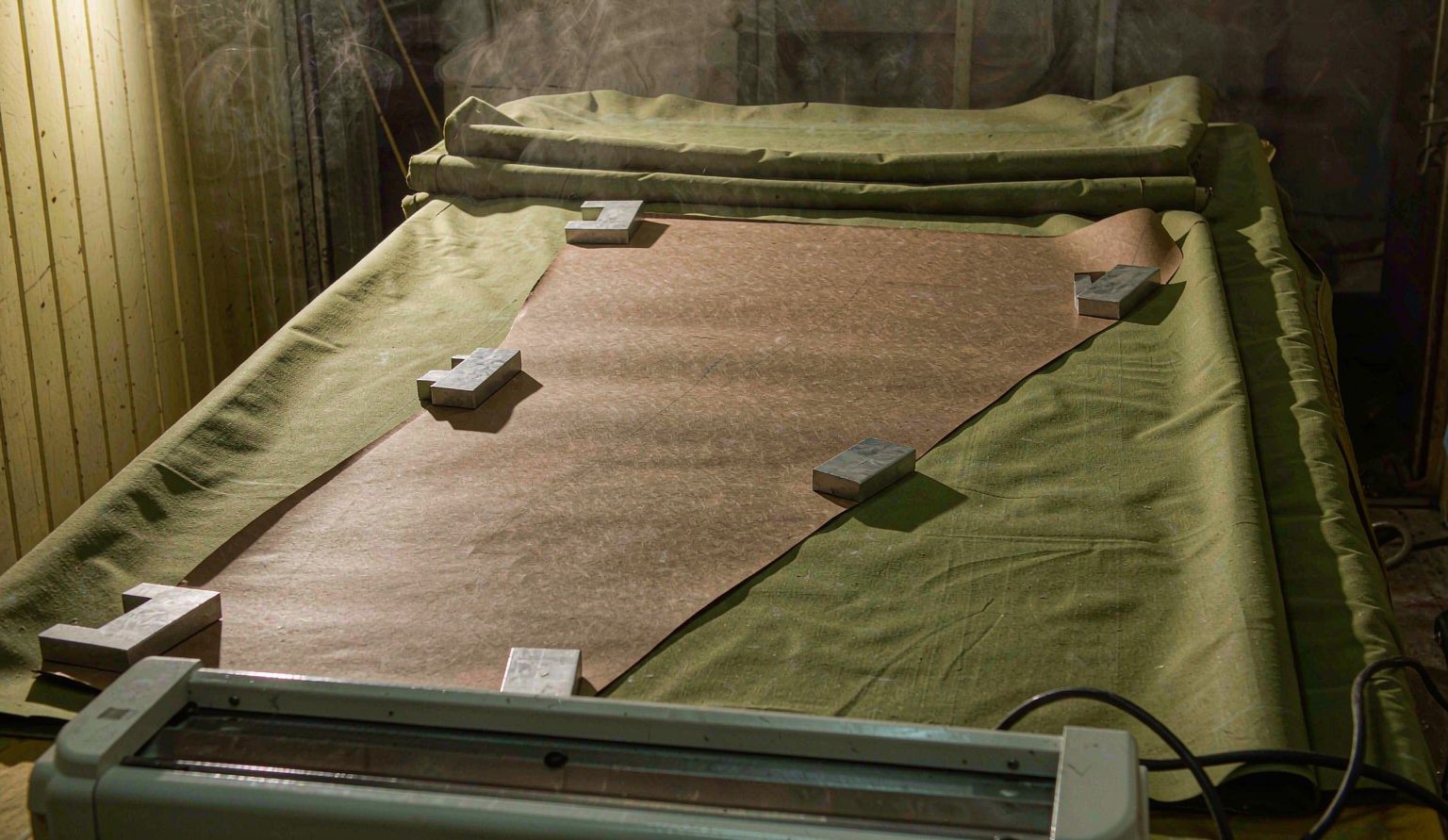
The marker is the cutting layout: every panel arranged to use as little cloth as possible. Our markers for five-pocket work pants usually land between 12 and 18 percent waste, and yours may differ, so ask for the marker report instead of accepting a claim. A wider roll can cut waste even when its per-metre price looks higher.
Wash steps are priced per piece, per step
A wash recipe is not one cost. Enzyme wash, stone wash, softener and tumble drying are separate steps, each with its own chemicals, labour and water treatment. A second wash pass shows up per piece even when fabric prices stand still. When a quote moves and the fabric has not, read the wash line next. We broke down what each wash type actually costs in an earlier piece.

Colour count can move the price more than quantity
Three hundred pieces sounds comfortable until you split it across five colours: sixty per colour, below the per-colour minimum for dyeing. Suppliers fold that problem into the unit price as a small-order surcharge. Two colours at the same total usually price better than five, because each repeated colour is a longer, cheaper run.
Five numbers to request before you sign the next quote
Put these in writing with every quote:
- The fabric weight basis: price per kilogram or per metre.
- Consumption per garment, at the supplier’s actual roll width.
- The marker waste percentage, backed by the marker report.
- The wash recipe, step by step, priced per piece.
- Per-colour minimums and any small-order surcharge.
Suppliers who answer these five numbers quickly usually keep their quotes. When a batch still drifts with all five fixed, the cloth itself is usually the cause, so we ask buyers to seal a fabric sample before bulk.
Key takeaways
- 380 to 400 gsm at a 150 cm width means about 5 percent less fabric per kilogram.
- Marker waste for five-pocket work pants commonly runs 12 to 18 percent; ask for the report.
- Five colours on 300 pieces means sixty per colour, which triggers small-order surcharges.
FAQ
Why did my unit price go up when fabric prices stayed flat?
Look below the headline fabric price. The weight basis may have changed, the wash recipe gained a step, or the colour split dropped below per-colour minimums.
What is a marker in garment costing?
The cutting layout that arranges every pattern panel on the cloth. Its efficiency decides how many garments a roll produces, and feeds straight into the fabric cost of each piece.
Unit prices move for reasons written down somewhere: a weight basis, a marker, a wash step, a colour split. Ask for those five numbers and freight goes back to being a small number on the last page. New supplier? Start with our factory audit guide. Planning an order? Contact us for wholesale pricing.