
AQL 2.5 Says Pass. Ten Defective Pieces Can Still Be Inside.
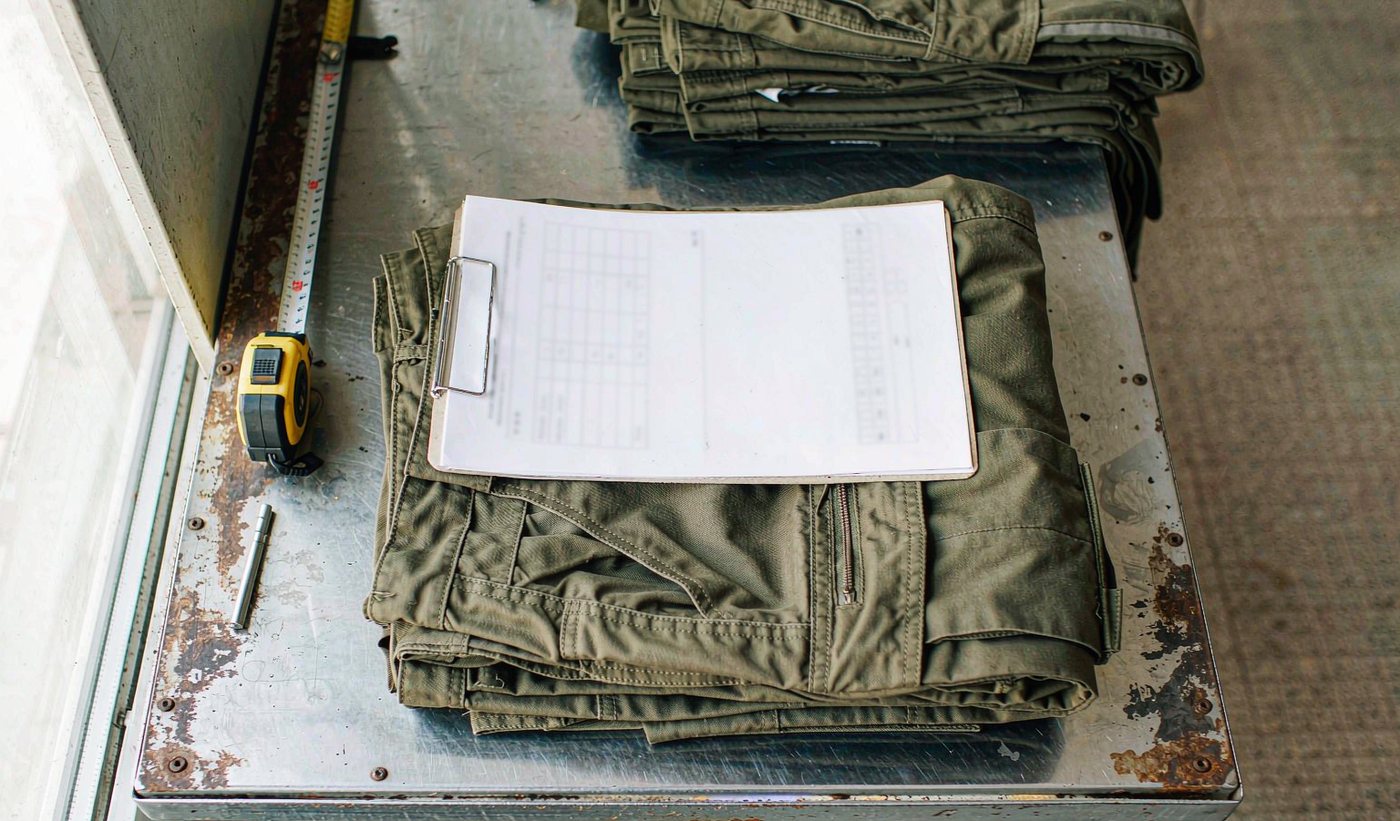
You are standing at the packing table when the inspector hands over the report, and the verdict column says pass. Before you sign, one fact is worth holding on to: an AQL 2.5 final inspection does not certify that a lot is clean. It defines how many defective units the sample may contain before the whole lot fails. On a 5,000-piece order checked at general inspection level II under ISO 2859-1, that means 200 pieces inspected, up to 10 defectives accepted on major defects, and zero tolerance on critical ones. Read the sheet line by line and the pass stops being a mystery.
Start with the lot size: every other number follows from it
The sampling plan on the sheet is derived from one input: how many pieces are presented for inspection. Take a 5,000-piece order at general inspection level II, the default for consumer goods. Table one of ISO 2859-1 assigns the lot a code letter, L. Table two turns that letter into a sample size: 200 pieces. The inspector does not pick 200 out of habit, and the number is not negotiable on the day. If the sheet for your 5,000-piece order shows a sample of 80 or 125, the lot size was recorded wrong, the inspection level was dropped to I, or someone trimmed the job. Every column after that is built on the sample size, so a wrong sample invalidates the whole verdict.
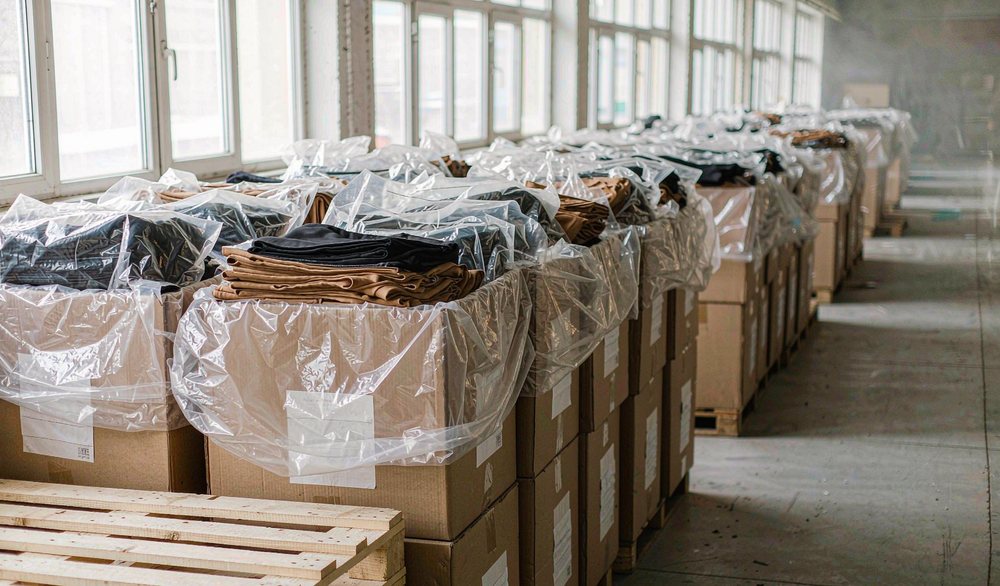
The sample is 200 pieces. The verdict covers 5,000.
This is the part people find hardest to accept. The inspector examines 200 pieces and the decision applies to all 5,000. That is not carelessness, it is the design of the standard: a representative sample with a known risk window. It also means the pass on your sheet is a statement about probability, not about purity. Signing it means you accept that a controlled number of defective pieces can exist in the lot and the order still counts as shippable. If your own standard is stricter than the sheet, the time to say so is before production, not at the packing table.
Read the three columns: 0, 10 and 14
A standard sheet carries three defect classes with three acceptance numbers. Critical defects sit at AQL 0: one is enough, the lot is rejected, no discussion. Major defects at AQL 2.5 give the 200-piece sample an accept number of 10 and a reject number of 11. Minor defects at AQL 4.0 accept 14 and reject at 15. So the arithmetic of a pass looks like this: no critical defect, at most 10 defectives in the major column, at most 14 in the minor column. Ten defective pieces inside a 5,000-unit order is the quiet allowance written into a routine pass, and it is why those numbers deserve a look before the signature.

Defectives are counted per piece, not per fault.
A pair of work pants with a skipped stitch at the outseam and an oil mark on the leg is one defective unit, not two. Inspectors grade each sampled piece against its worst defect and enter it in a single column. The rule matters when you compare reports: a factory that reports 6 major defectives, all from loose threads, is telling you something different from a factory that reports 6 spread across open seams, broken stitches and size failures. Ask for the defect list attached to the summary numbers, and read the worst entries first. The count is the verdict, but the list is the diagnosis.
What usually lands in each column
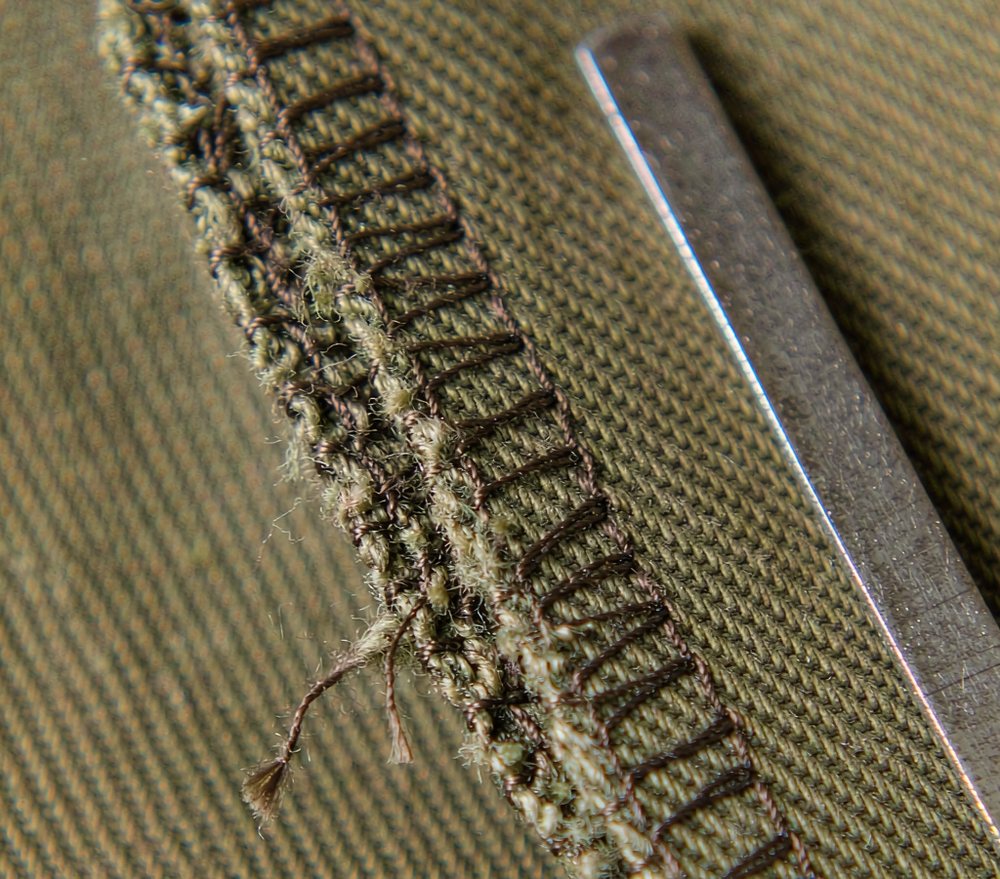
Critical is anything that can hurt someone or break a regulation: a broken needle fragment sewn into the garment, mold, a care label that contradicts the rules of the market. Major is what a customer would send back: an open seam, a zip that jams halfway, a waist measurement outside the tolerance on the size chart, a shade that does not match the approved sample. Minor is what you notice and forgive: a loose thread, a pressing shine, a slight shade shift between panels of the same garment. At our workshop in Shishi, the classification sheet is agreed before cutting starts, so the argument over whether a fault is major or minor happens before a finished lot exists. And a shade mismatch is settled at the fabric stage, with tests, before a single cut.
A pass is not an obligation to ship.
Acceptance under the sampling plan means the lot meets the standard written into your purchase order. It does not force you to ship. When the numbers run close to the reject line, most buyers ask for rework of the full lot, not just the 200 sampled pieces, followed by a reinspection. The request belongs on the same sheet, in writing: what gets reworked, what gets rechecked, who pays for the second inspection. A second failure is also information. After a supplier has failed twice, plenty of buyers move the next order to a stricter plan, either a larger sample at level III or a tighter major AQL, and they re-read what buyers audit before a repeat order first.
Before you sign, do three things
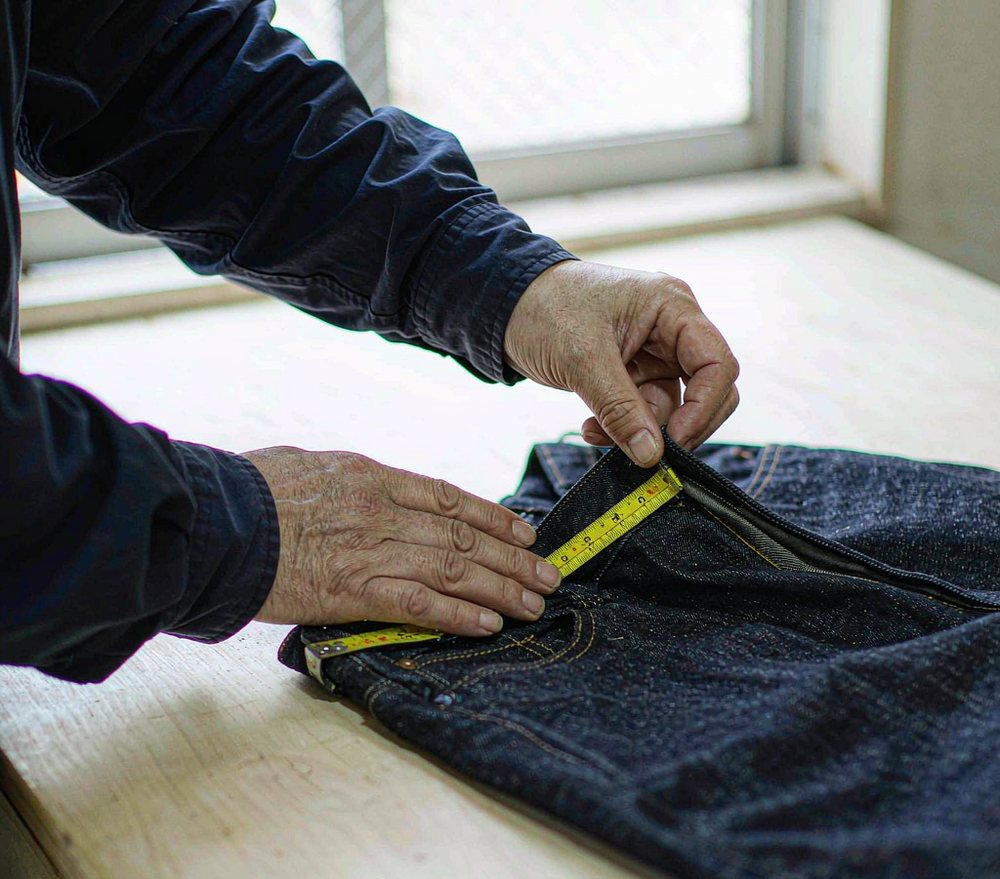
Check that the sample size on the sheet matches the lot presented; an 80-piece sample on a 5,000-piece lot is a plan built for a different order. Walk through a handful of the recorded defectives with the inspector and confirm the classification matches your own list; a major logged as minor changes the verdict in one cell. Then write the rework and reinspection terms on the sheet itself. A final inspection report is a working document, and a column signed with open eyes is worth more than a polite email the next day.
Key takeaways
- A 5,000-piece order at general inspection level II gets a 200-piece sample under ISO 2859-1; every verdict on the sheet derives from that number.
- At AQL 2.5, the 200-piece sample accepts up to 10 major defectives and rejects at 11; minor defects at AQL 4.0 accept 14 and reject at 15.
- Critical defects carry zero tolerance: one broken needle fragment or mold stain rejects the lot on its own.
- Defectives are counted per piece, not per fault; always read the attached defect list, worst entries first.
- A pass does not force shipment; rework of the full lot plus a written reinspection term is the normal response to a borderline result.
FAQ
Does AQL 2.5 put a ceiling on defectives for the whole order?
No. AQL 2.5 is the parameter of the sampling plan, not a quota for the order. In practice, on a 5,000-piece lot at level II, it translates into accept numbers of 10 major and 14 minor defectives within the 200-piece sample. What the plan promises is a known, bounded risk, not a clean lot.
Who decides whether a fault is major or minor?
The defect classification list agreed before production. Inspectors apply it piece by piece, and anything touching safety or regulation goes to critical regardless of the list. If your sheet has no classification list attached, the grading on it is an opinion, and opinions are hard to argue with after signing.
An AQL 2.5 sheet is not a stamp of perfection. It is a bounded agreement about risk, written in numbers that reward whoever reads them first. Read the lot, the sample, the three columns and the defect list, then decide what the pass means for you. If you want work pants built to a spec you can audit line by line, browse the pants collection or contact us for wholesale pricing.